Young people are eschewing medical trials, to their own detriment. Maybe my tales of pills, tubes and paydays can inspire a generation
G
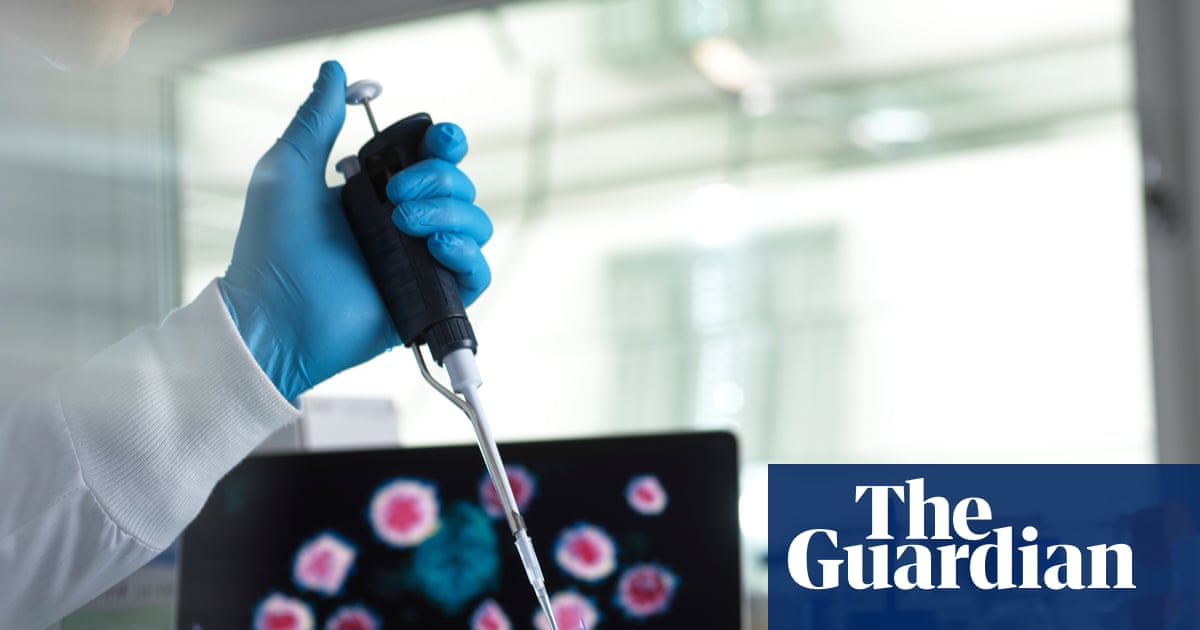
en Z has a reputation for being “boring”. Not only do they reportedly prefer going to the gym than the pub, and staying at home and going to bed at 9pm rather than going clubbing, now they are refusing to sign up for medical trials. Back (way back) when I was a lad, it was all pubbing, clubbing and medical trials. And I’ve still got the scars to prove it.
The Medicines and Healthcare Products Regulatory Agency states that all human medicines must undergo human testing before they are made widely available. This is mainly to investigate any unwanted side-effects. The cure for the common cold is no good if it also makes your genitals fall off. Alternatively, the side-effect may be useful when studied further: aspirin works as a blood thinner; some antidepressants curb nicotine withdrawal. It must have been a hell of a day when they tested Viagra and discovered some unexpected side-effects: its original purpose was to treat chest pain caused by angina.
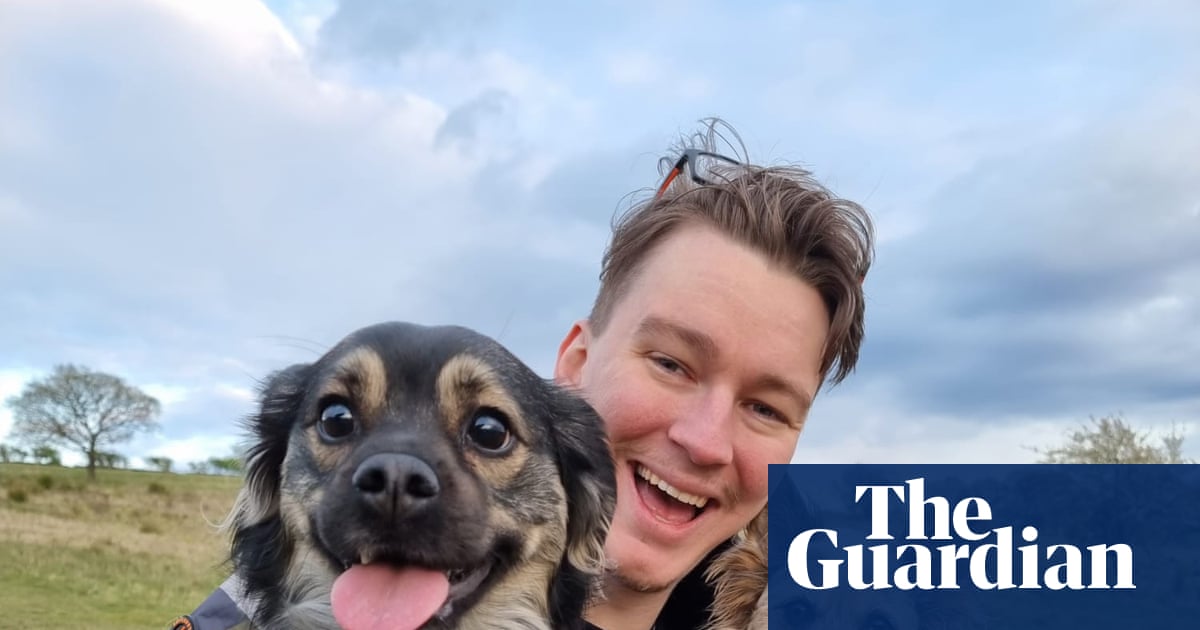
Things have gone wrong, of course. The 2006 Theralizumab clinical trial for autoimmune diseases left all six volunteers who were given the drug with severe swelling, disfigurement and life-threatening organ failure. So, lots for gen Z – already a nervous generation – to worry about. But by not volunteering, they also risk missing out on new treatments that won’t find approval as trials stall. And they should consider that if medicines aren’t tested on young people, researchers could miss discovering side-effects that only occur in the young. Someone needs to have a word. And that someone is me, as I volunteered for more than my fair share of medical trials back when I was the age gen Z is now.