Senate hopeful Graham Platner covered up his tattoo once he learned of its Nazi associations. It’s a problem so common there are free programs for it
L
ast week, Graham Platner, a progressive Democrat running for the US Senate in Maine, responded to a burst of online criticism by doing something few candidates for high office are ever required to do: he posted a topless photo of himself on the internet.
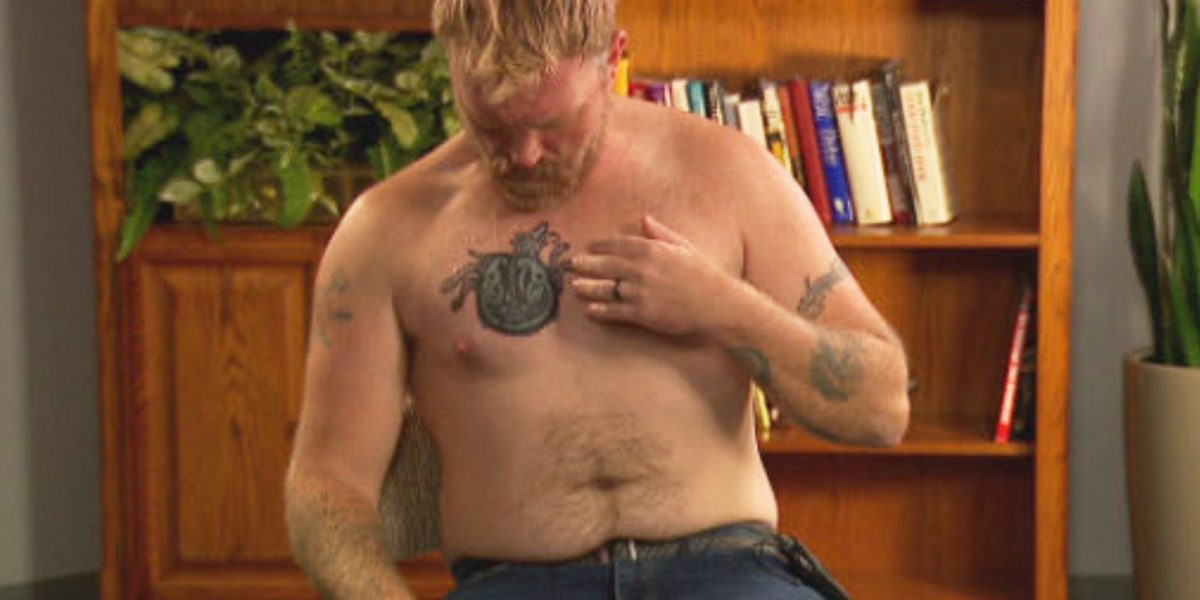
It was an unusual moment in a campaign that had so far gone his way. Platner had won praise from progressives and secured the backing of Bernie Sanders. But his campaign came unstuck when a video surfaced of him dancing in his underwear at his brother’s wedding – and revealing a skull-and-crossbones tattoo on his chest. The design, known as the Totenkopf, is widely recognised as a Nazi symbol.
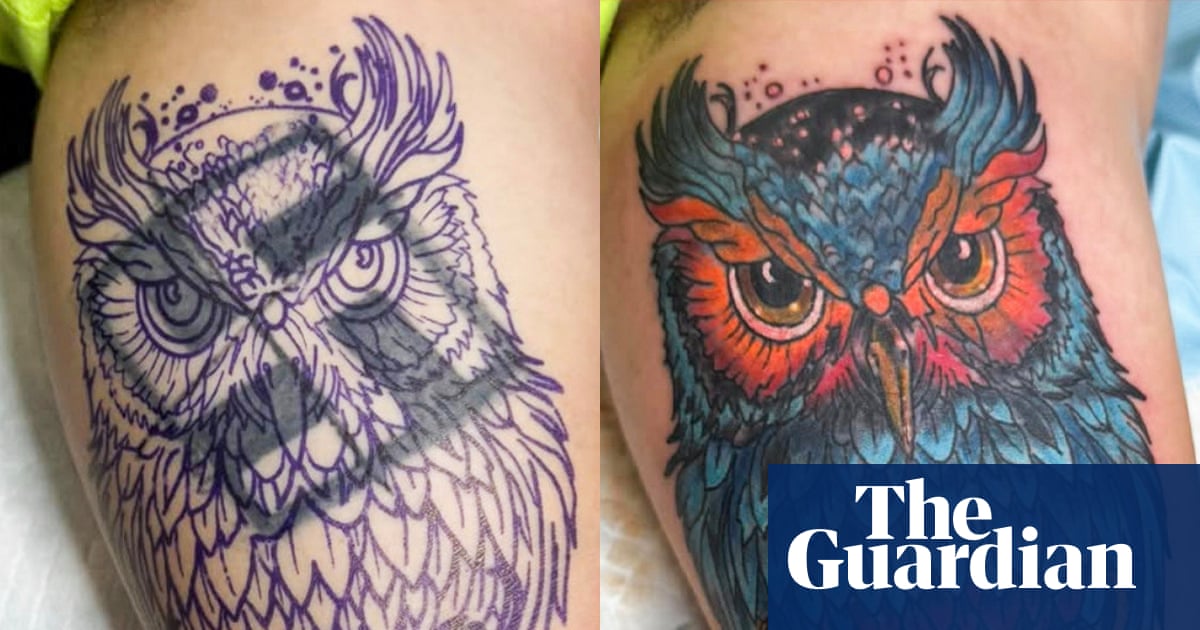
Platner insists he had no idea of its associations when he got the tattoo, drunk, while stationed in Croatia during his 20s as a marine. After learning of its meaning, he says, he covered it with a new design – a Celtic cross and a dog – and released the topless photo to prove it.