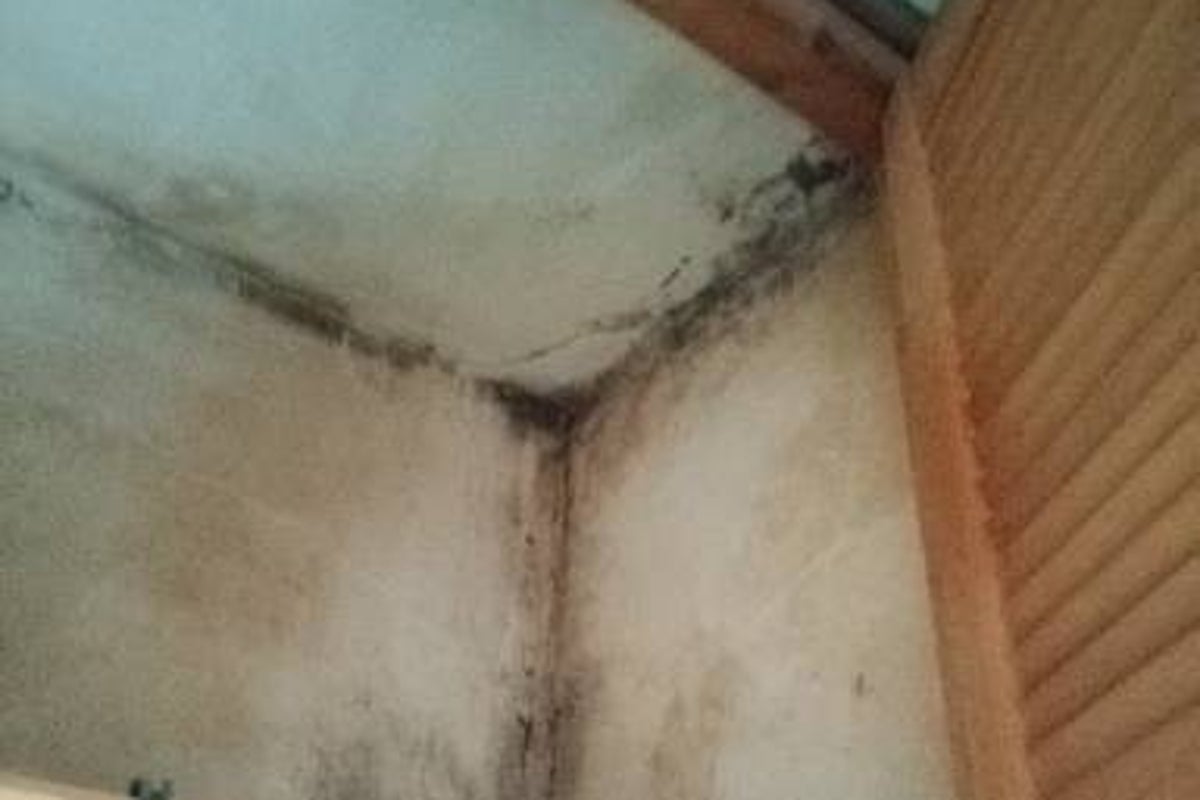
Awaab’s law imposes new duties on those who own social housing. Millions who rent privately, or are in temporary accommodation, remain unprotected
W
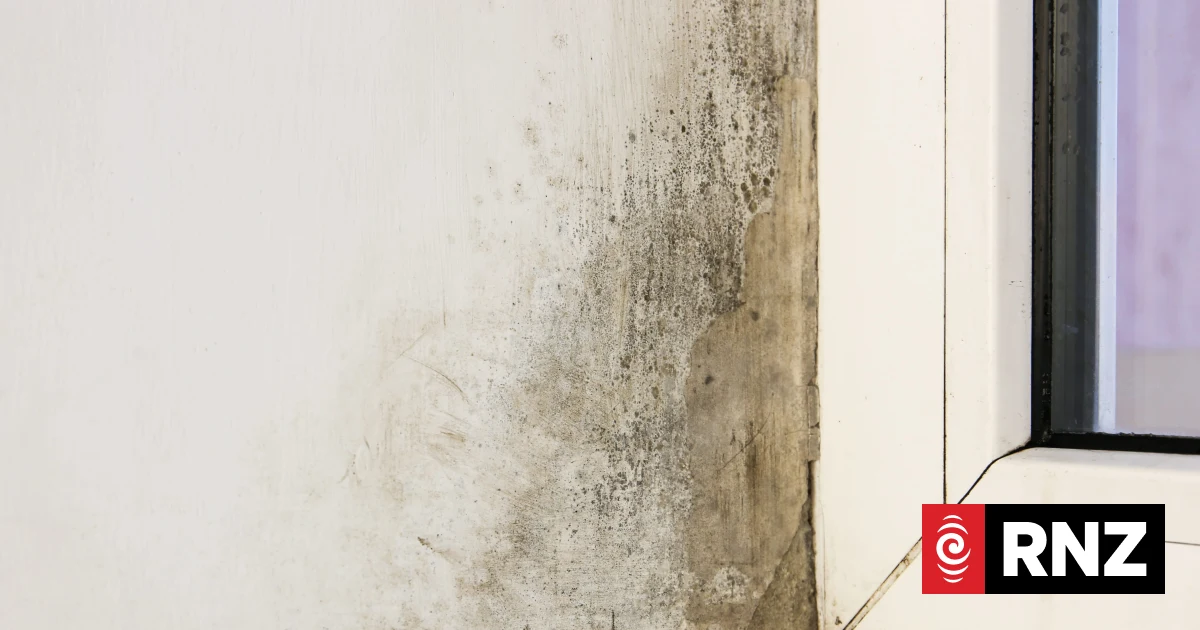
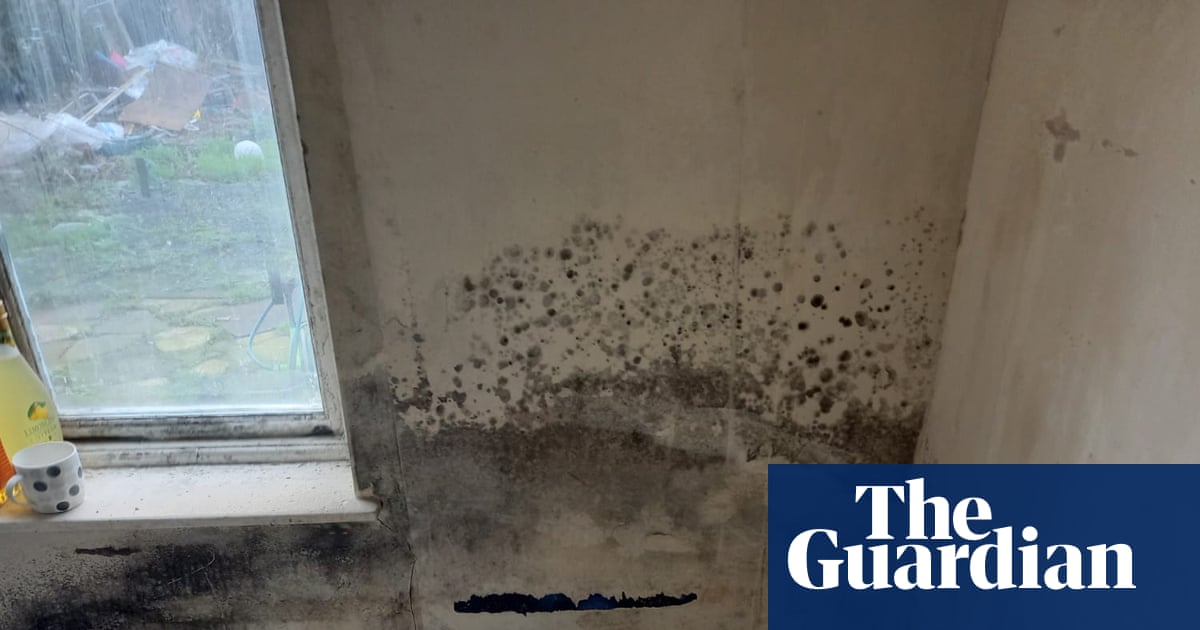
hen two-year-old Awaab Ishak tragically died in 2020 after prolonged exposure to mould in his family’s housing association flat, it shocked the nation. His parents, Faisal and Aisha, turned unimaginable grief into tireless campaigning to ensure no other child would die from the same neglect. Their determination has led to the passing of Awaab’s law – a landmark piece of legislation that will finally hold social landlords to account when it comes to tackling mould, damp and other hazards in people’s homes.
This law, which requires social landlords to investigate and repair dangerous issues, such as mould, within strict timeframes, is a victory for justice, compassion and common sense. It puts in writing what should always have been true – that every child, every parent and every person deserves to live in a home that is safe and fit for human habitation.
Awaab’s parents deserve the highest praise. They refused to let their son’s death be just another statistic in the housing crisis. Through their strength, they’ve forced a long-overdue reckoning within social housing – a sector that, for too long, has tolerated excuses, delay and negligence at the expense of human life. I want to extend my heartfelt admiration and thanks to them. Their courage will save lives.