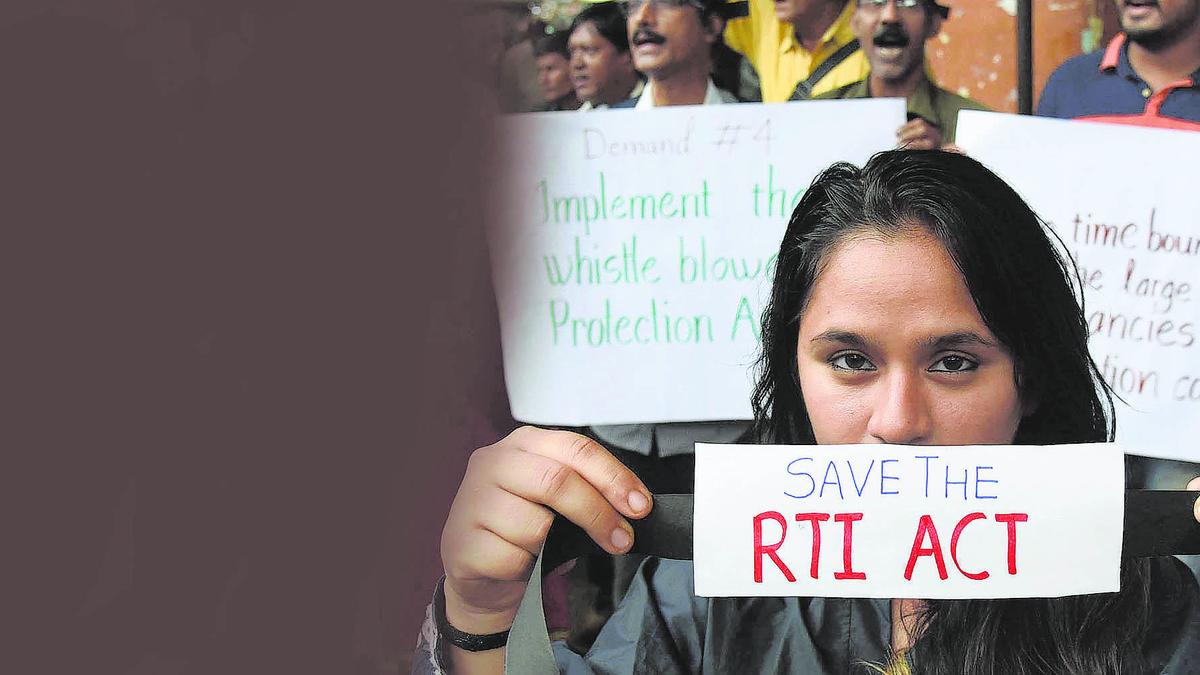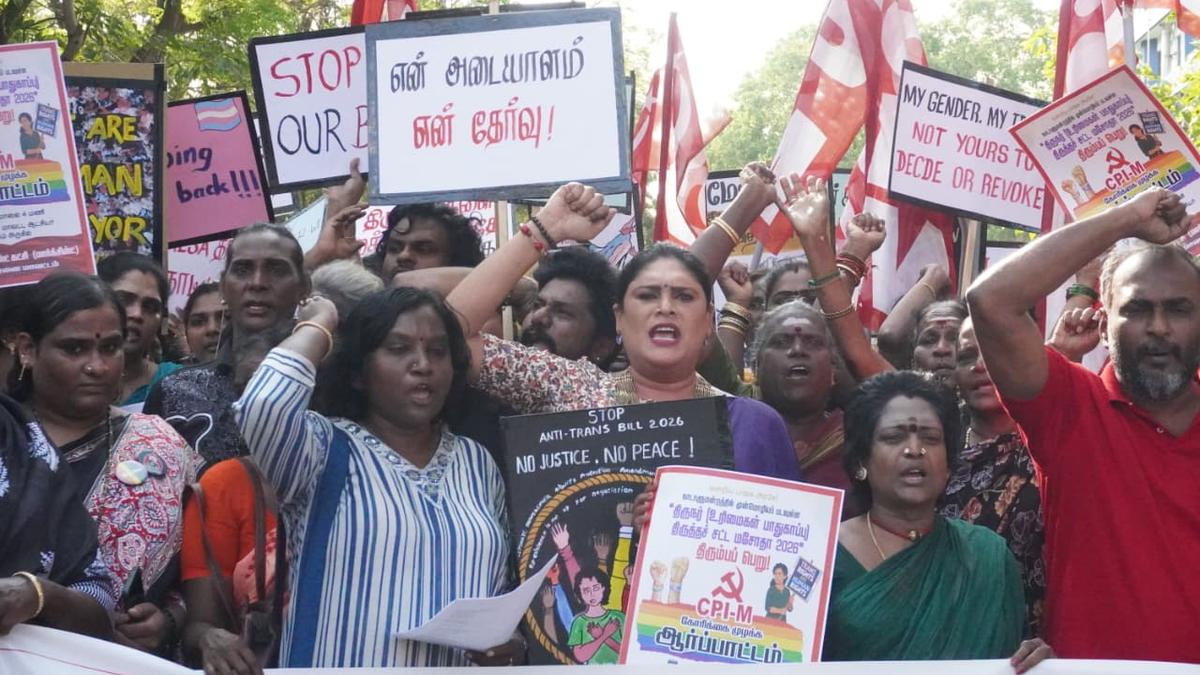
Residents and civic activists in Chennai and various districts of the State on Sunday launched a campaign against the Digital Personal Data Protection Act (DPDP Act), 2023 and demanding a rollback of the RTI Amendment by the Central Government as the new rules are expected to be framed shortly.
The participants stressed the need for rollback of the amendment that disempowers residents who seek data under RTI. They also opposed the new provisions of the Act, that seeks to silence and penalise journalists, that may extend to ₹250 crore on the pretext of breach in observing the obligation of Data Fiduciary. The penalty can also be doubled to ₹500 crore.
Anjali Bhardwaj, co-convener - National Campaign for People’s Right to Information said: “The DPDP Act is extremely problematic and poses a grave threat to freedom of the press and to fundamental rights of citizens, including the Right to Information and Right to Free Speech and Expression. The amendment made to section 8(1)(j) of RTI Act through the DPDP Act seeks to exempt all personal information from disclosure.”
“For any information the officials don’t want to give, they are citing Section 8 (1) (j) which is bad enough. What we have seen now is that the scope of it has been totally increased under the DPDP Act. The Supreme Court has also held that the Right to Privacy is a Fundamental Right. People have a right to privacy that is something the RTI law also recognises through Section 8 (1) (j). The Central Government has now brought the digital personal data protection law. This law is basically to give control on our personal data to the Central government. There is no other logical way of explaining. The broad stroke is the government has brought the data protection law to fully control and centralise the control on our personal data. Why do I say that? There are two broad provisions under this law. One is that Section 44 (3) of the data protection law amends the RTI Act. What it says is that Section 8 (1) (j) we are deleting everything in that section. The nuanced section is being deleted, and all that we are going to say is that all personal information will be exempt. Everything deleted, no larger public interest. Now this is huge, because if we look at it , in all our use of the RTI Act in the last 20 years, whenever we have used it to fight corruption, wherever we have used it to fight human rights violations, wherever we have used it to expose wrongdoing and ensure accountability, we have asked for personal granular information. It rains, and there is a road that is being constructed for crores of rupees, and the first rain, the road breaks. What will I ask for in the RTI? The first question I ask is to give me the name of the contractor. Give me that name of the government official who signed. Give me that name of the government official who went for inspection after the work was done and released the money. Now the name of the government official is personal information. Their personal information cannot be revealed. How do we fight corruption? “