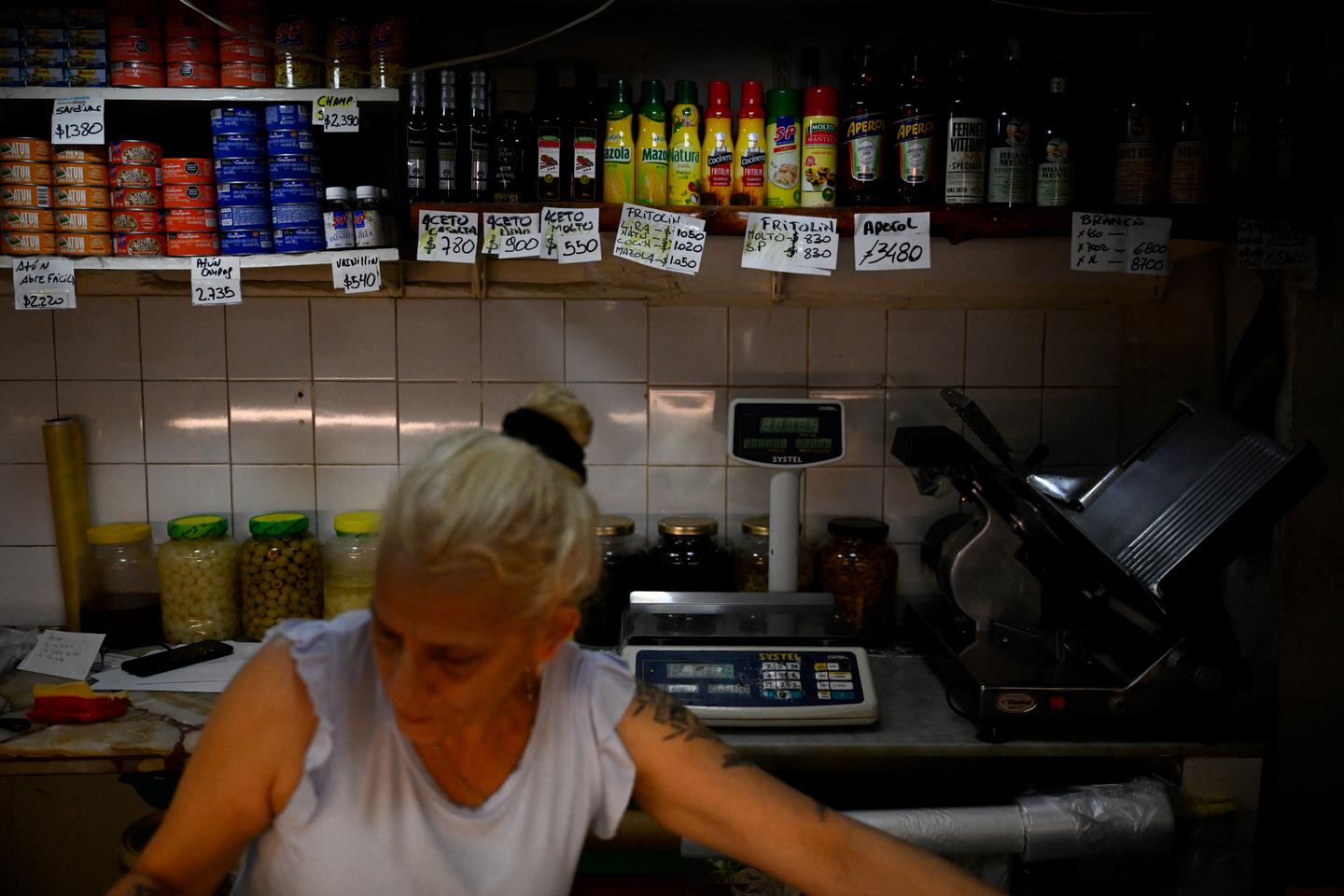
Inside a supermarket in Moron, Argentina, November 22, 2023. LUIS ROBAYO / AFP
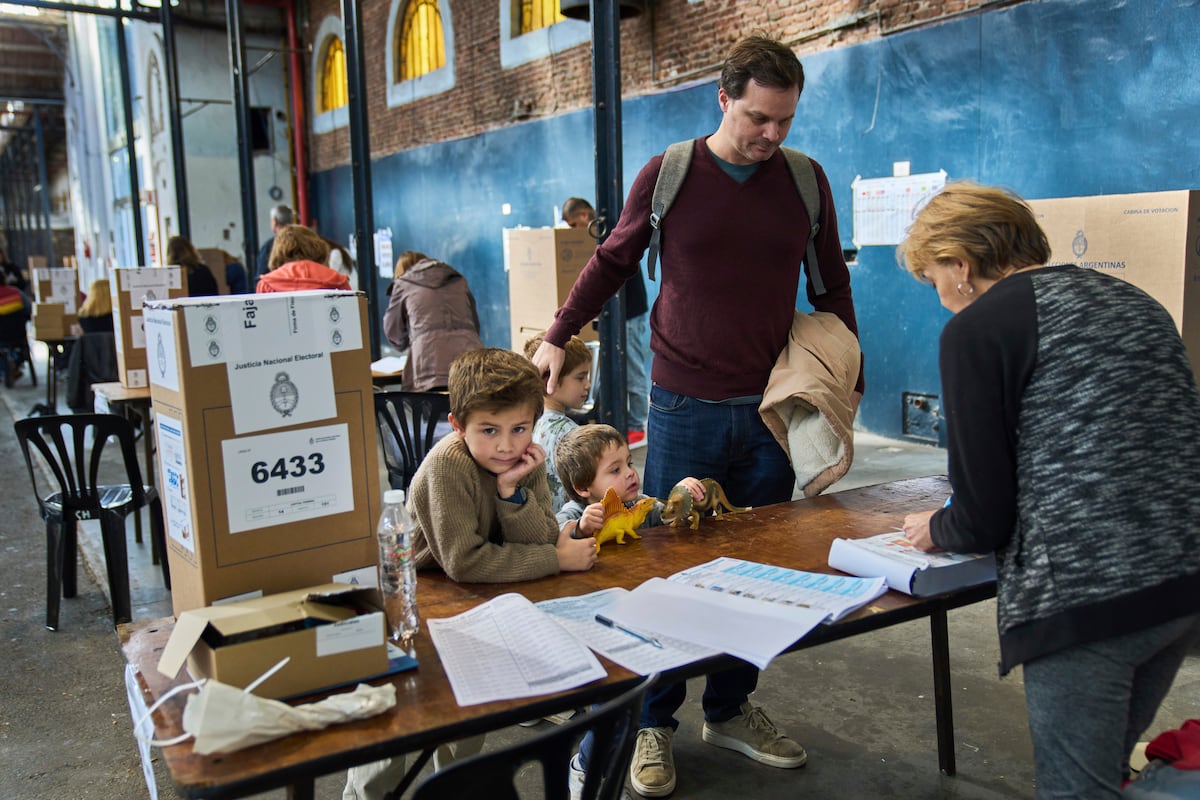
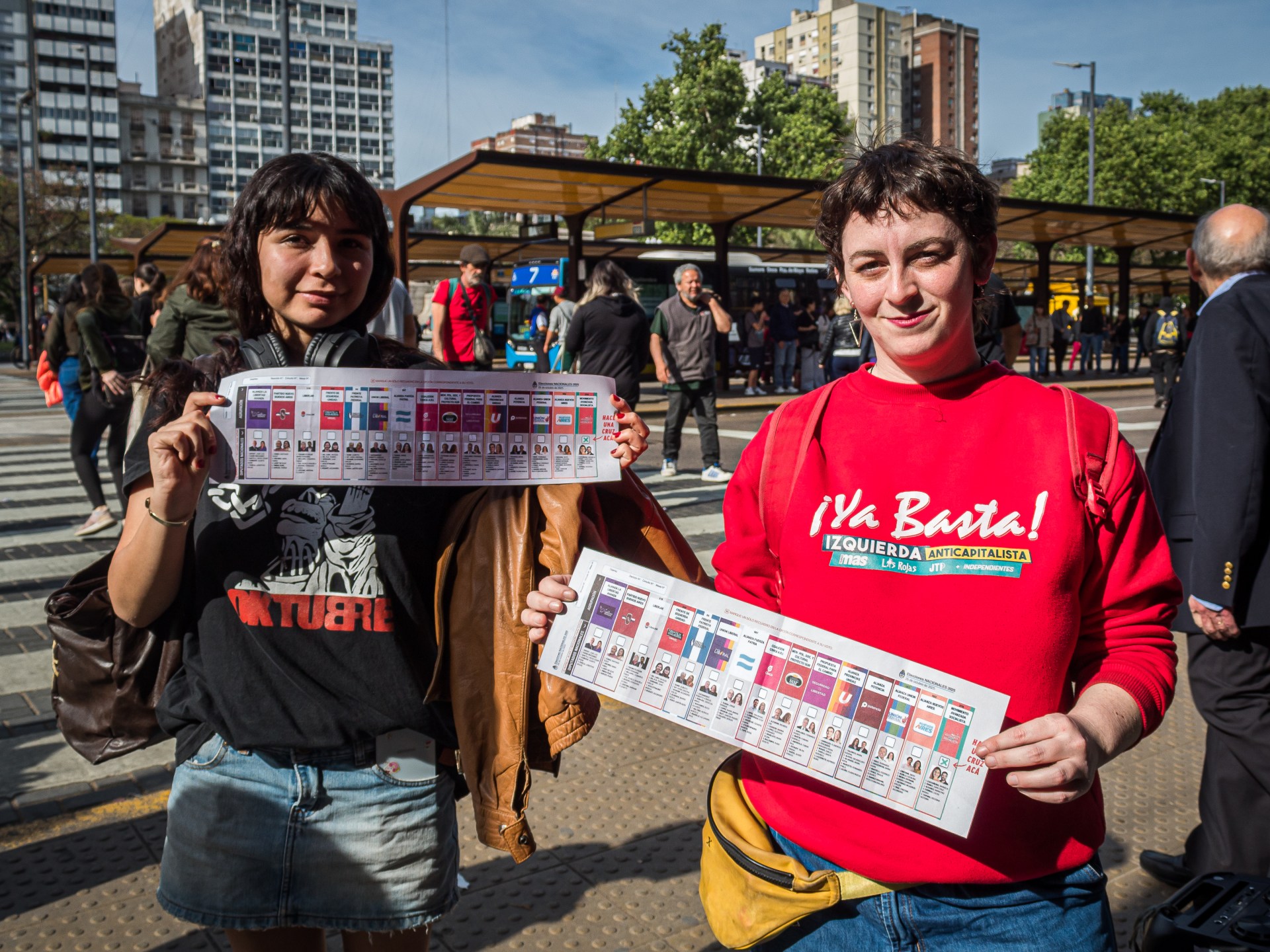
In Moron, as in other parts of Argentina, the campaign for the October 26 legislative elections, in which half of the lower house MPs and a third of senators will be replaced, has been a subdued affair. There are barely any posters or party activists downtown, and there was a palpable sense of apathy just days before the vote. This contrasts sharply with the 2023 presidential election, when nearly 56% of voters chose the libertarian outsider Javier Milei as president after a fiery campaign. Milei had only been an MP for two years, and his party, La Libertad Avanza (LLA), held only a small minority in Parliament.
Back then, Moron stood out for its choice. Unlike the rest of the western and southern suburbs of the capital Buenos Aires – largely home to working and middle-class residents – which voted for the Peronist candidate (the opposition, spanning from the center left to the left), a slim majority of this city's 300,000 residents cast their ballots for Milei. Two years on, they are watching the effects of the libertarian austerity experiment with a mix of bitterness and a glimmer of hope.
You have 83.31% of this article left to read. The rest is for subscribers only.