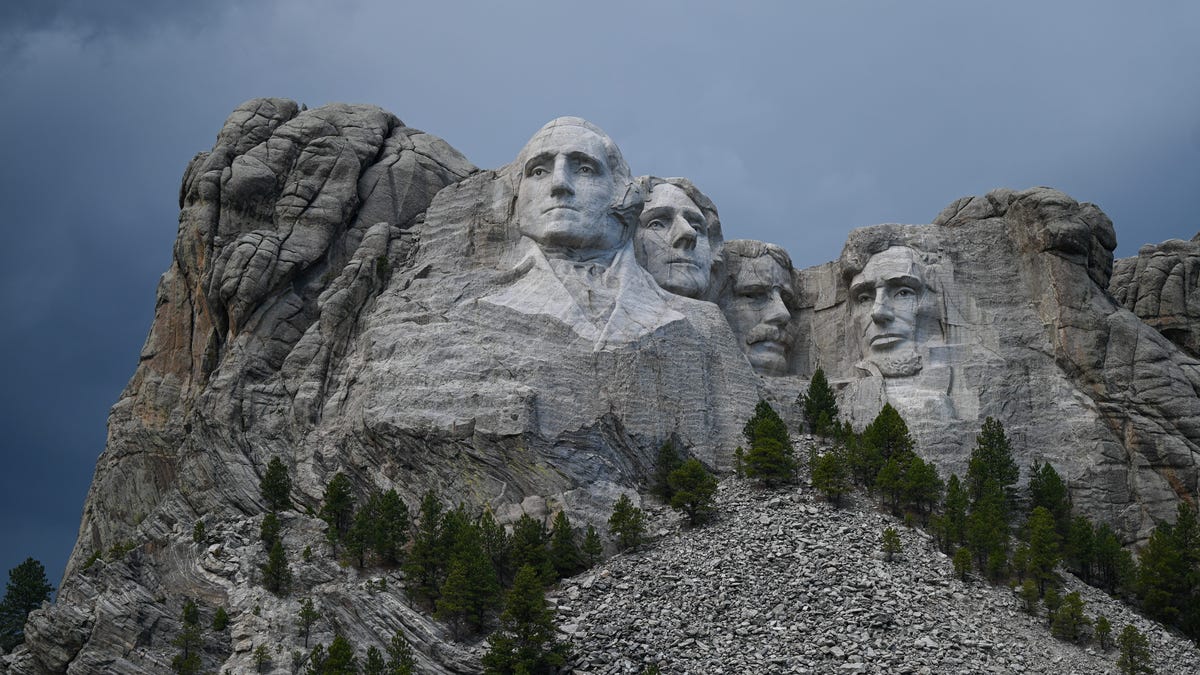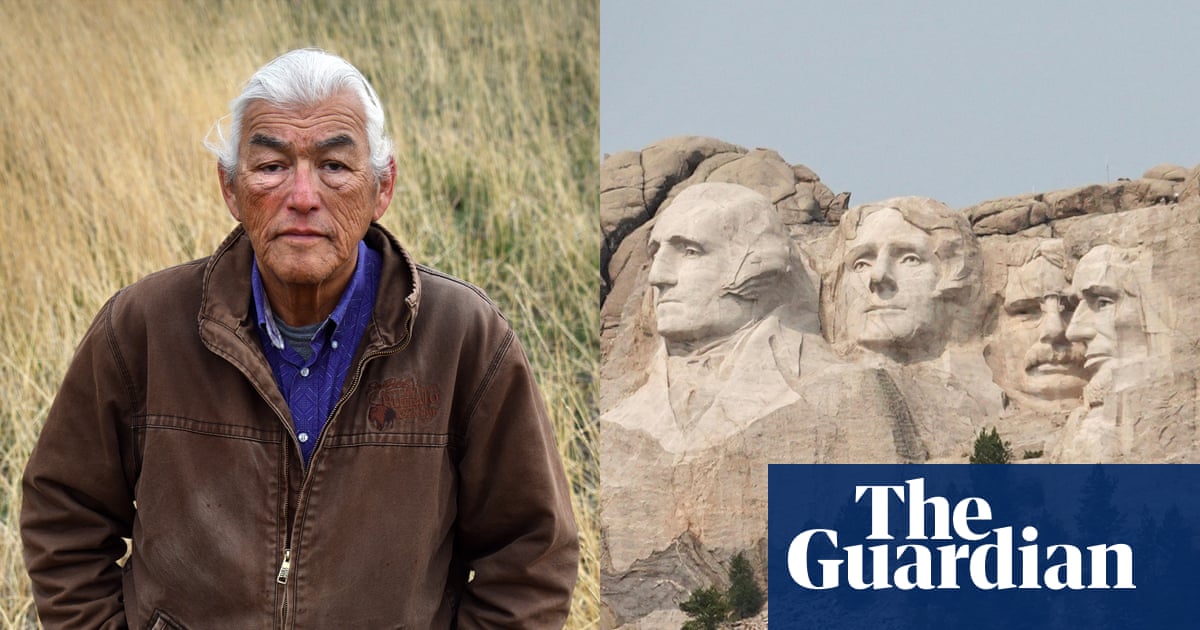
As memorial marks 100 years, Gerard Baker, park’s Native American ex-superintendent believes if Rushmore’s story is told the right way, ‘people are going to be leaving pissed’
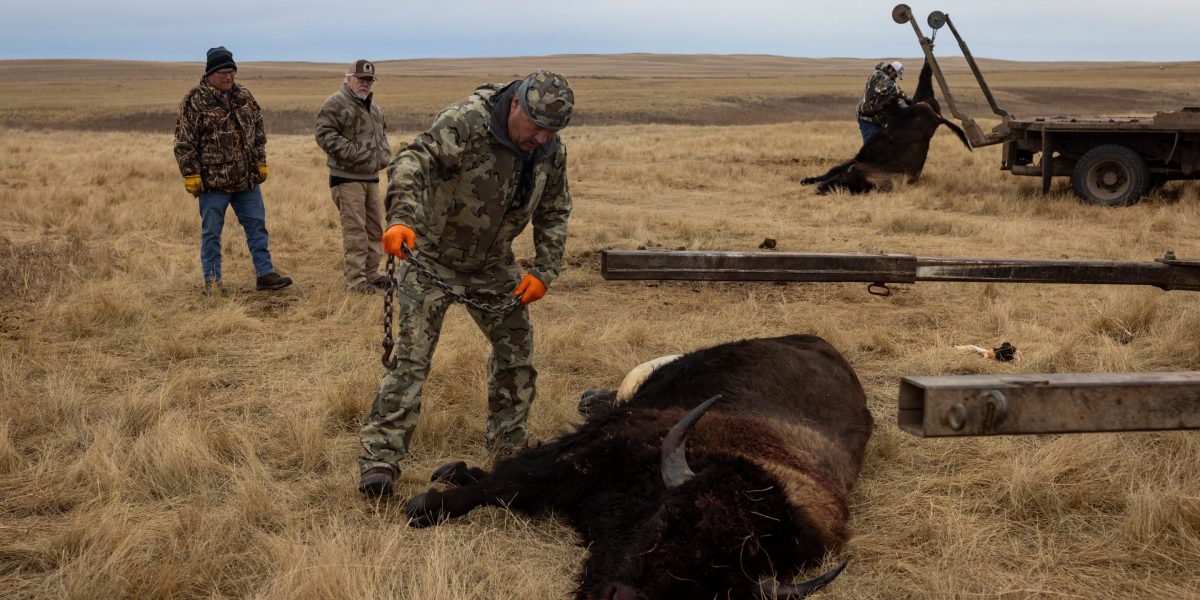
espite suffering heart attacks, strokes and the effects of diabetes, Gerard Baker can still easily lift an 80-lb bag of feed for the cows he raises on his south-east Montana ranch. On the sprawling 640-acre property of pine and cottonwoods, buffalo grass and blue grass, Baker drives out early in the mornings to feed his cows and think about what he could have done differently.
On 1 June 2004, Gerard Baker became the first Native American superintendent at Mount Rushmore national memorial, and his six years at the helm were both transformative and turbulent.
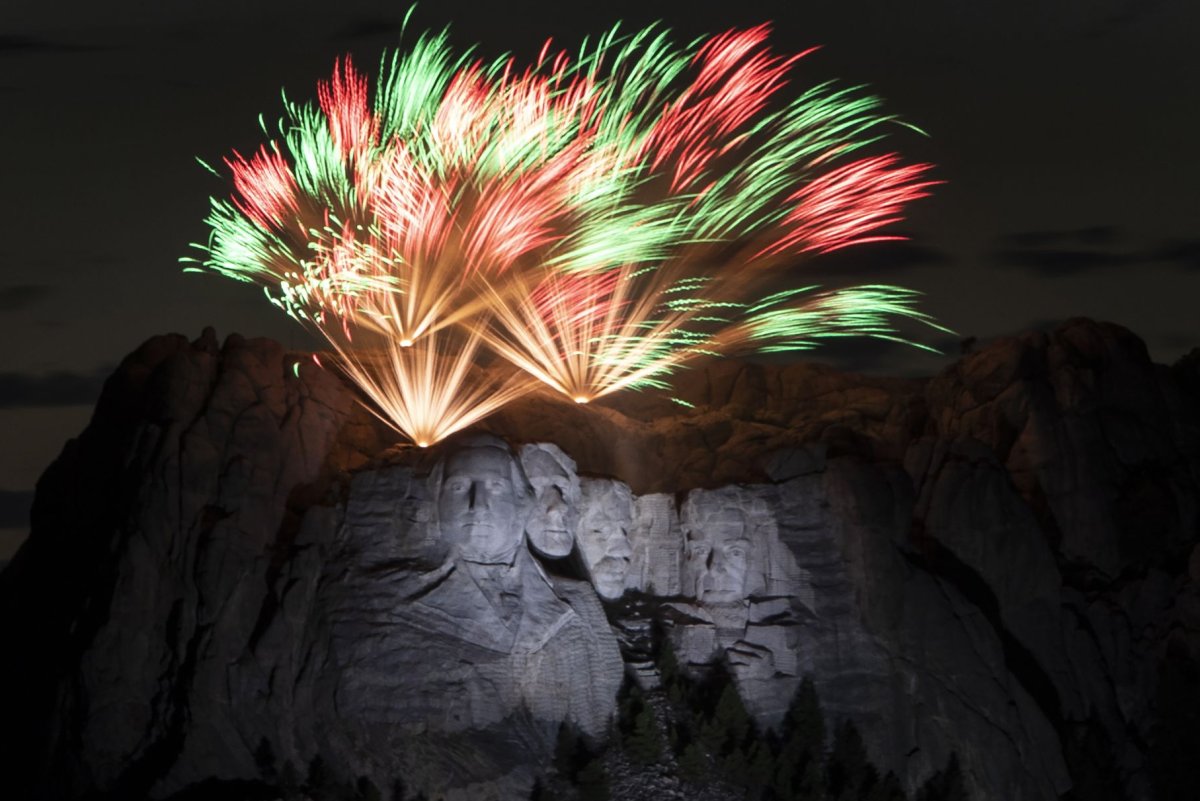
Mount Rushmore was first conceived by Doane Robinson, the South Dakota state historian, who wanted to build sculptures in the Black Hills that reflected the American west and attracted regional car tourists. When Robinson tasked the controversial artist Gutzon Borglum to lead the project, however, the idea metamorphosed from economics to politics, as Borglum decided to build a memorial to the American political system, which he deemed the apotheosis of western civilization. He envisioned portraits of four presidents who he called “empire makers”, and on 1 October 1925, Borglum held the memorial’s first dedication in front of over 3,000 spectators.