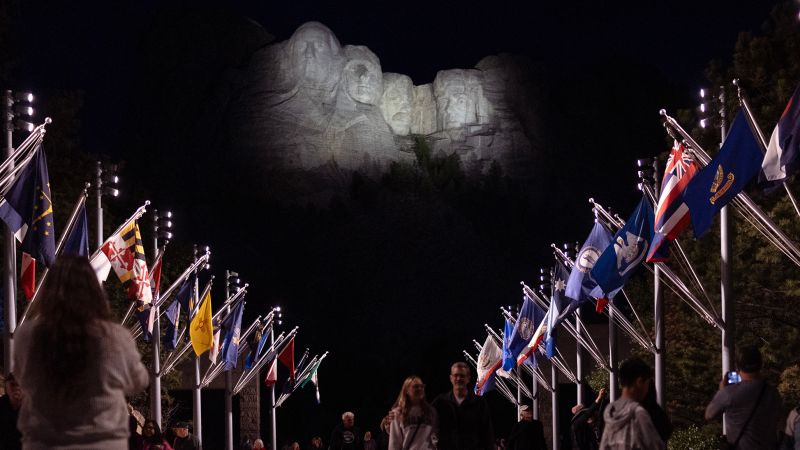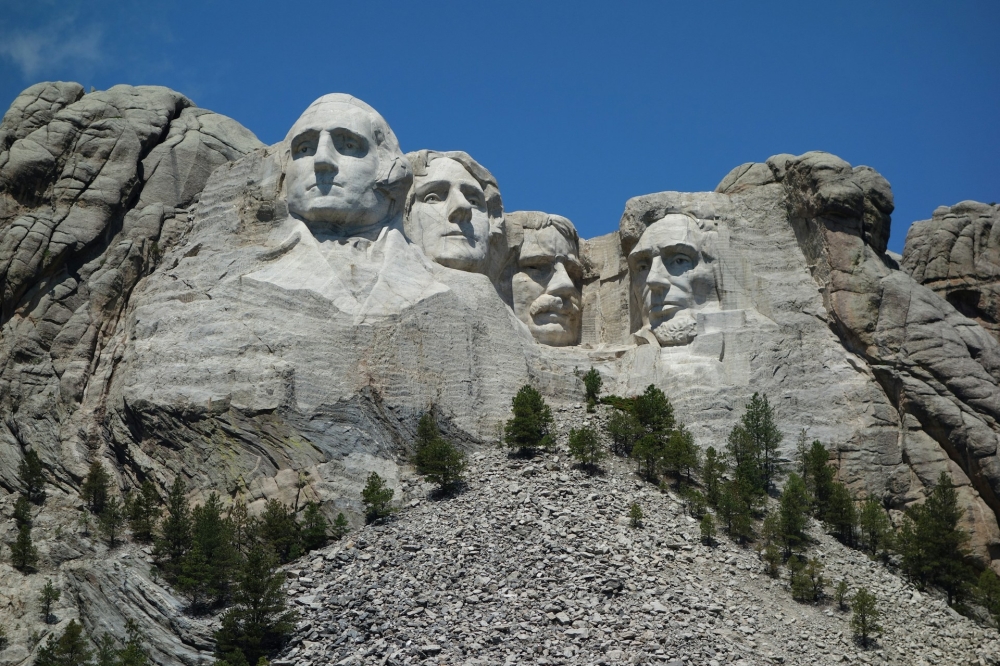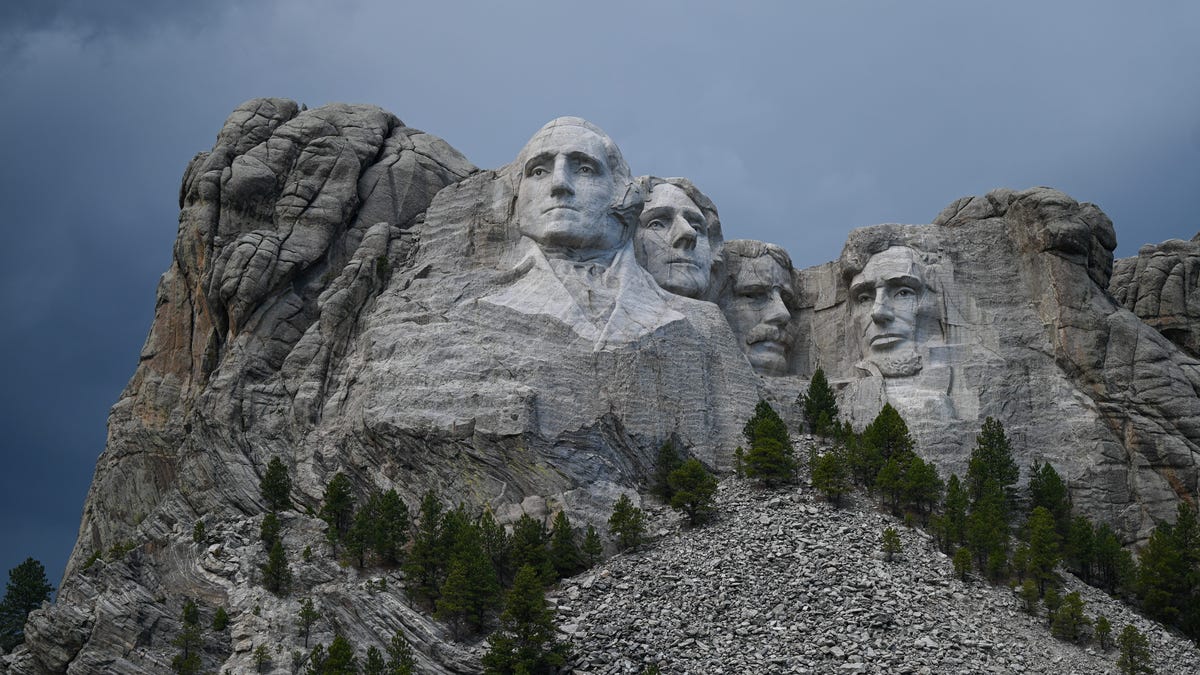
Mount Rushmore is an American icon: Its majestic, 60-foot-tall carved presidential heads, overlooking South Dakota’s Black Hills, have been immortalized in cinema and remain a bucket-list destination for U.S. travelers.
On Oct. 1, the state’s most recognizable landmark will mark the 100th anniversary of its dedication as a national memorial. While illustrious, it’s a site with a checkered history, beloved to some, anathema to others and an enduring symbol of America’s complicated past.
“To some people it’s a point of great pride, but to others it’s an evil symbol of the horrible things done to Native people,” said Tom Lawrence, a fourth-generation South Dakota and local writer. “I love Rushmore, but I understand the complex history behind it.”
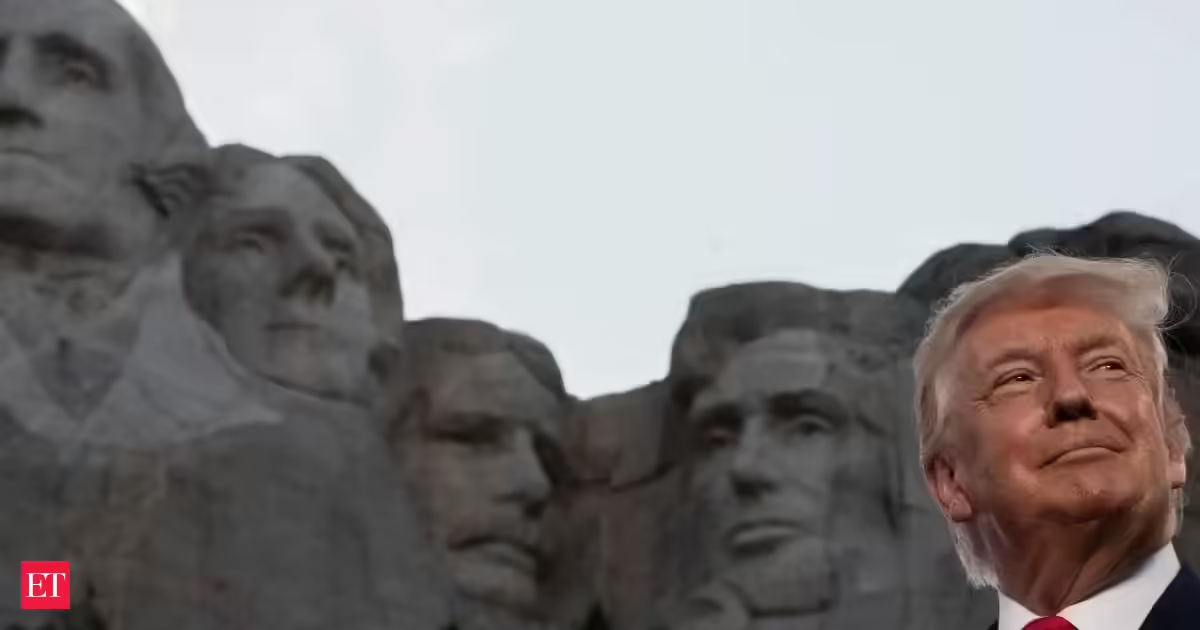
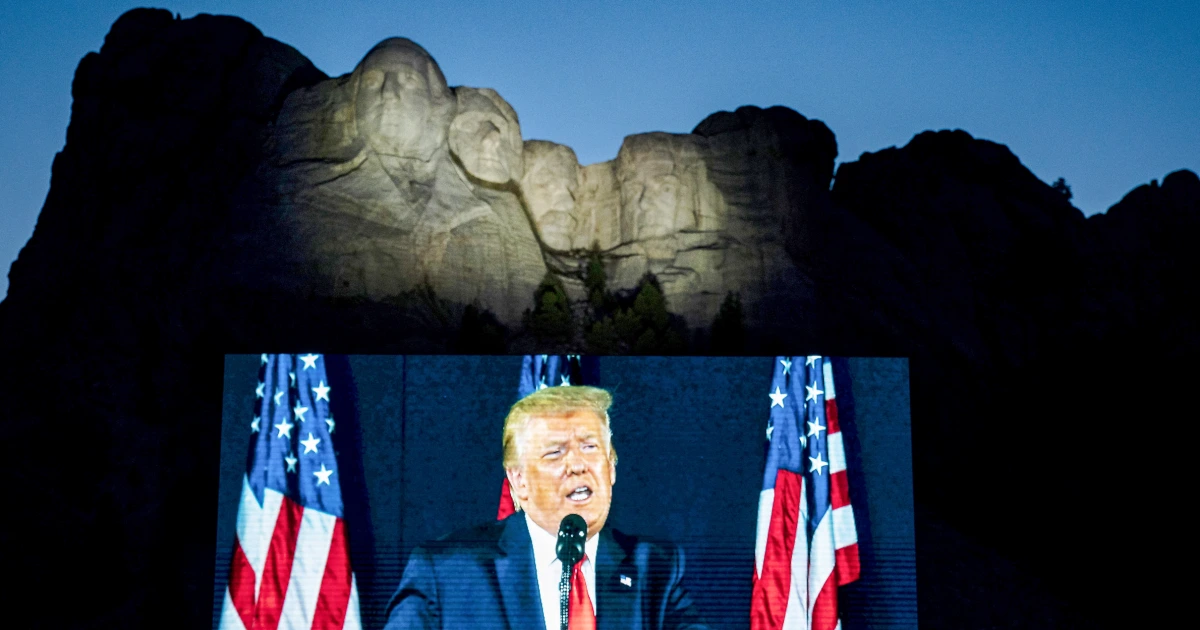
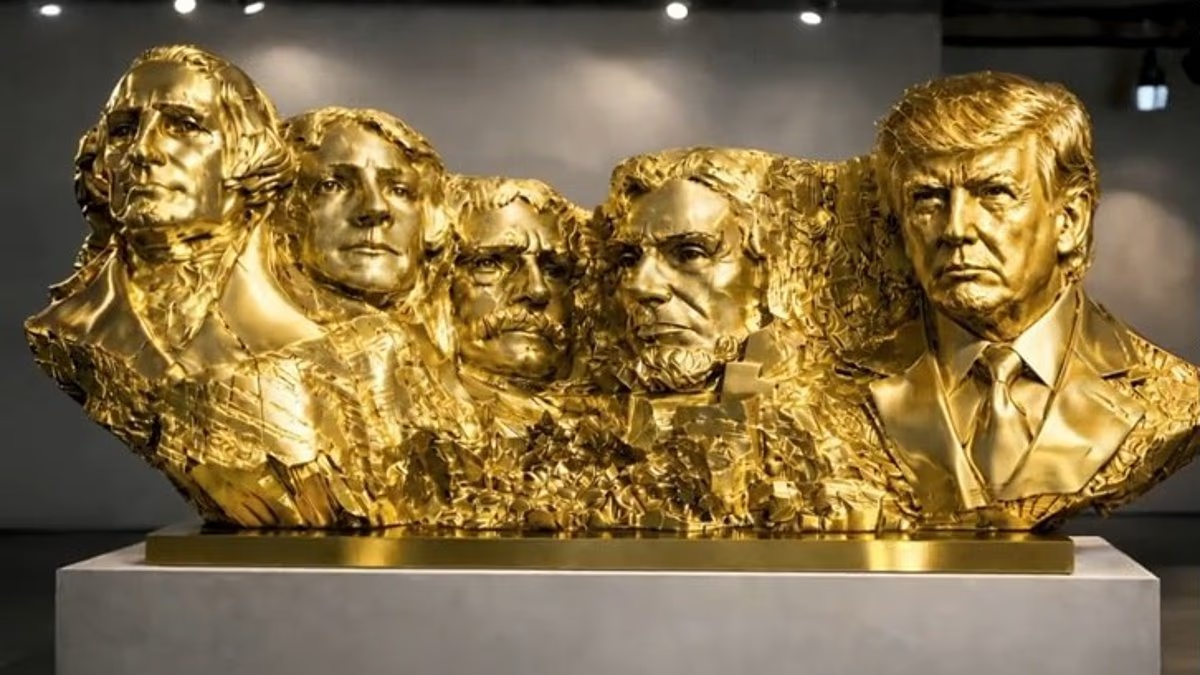
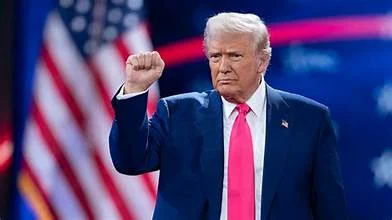
More recently, some have floated the idea of adding President Donald Trump’s head to the lineup despite admonitions that such a feat would be structurally impractical. Meanwhile, South Dakota Gov. Larry Rhoden has invited Trump to attend next year’s Independence Day festivities marking the country’s 250th anniversary at the site, where a fireworks show is slated despite tribal opposition.
In the 1920s, American automobile ownership was growing – and with it, the concept of the road trip in an age of unbridled opportunity and Will Rogers wisdom. In 1923, South Dakota state historian Doane Robinson took in the granite bluff 23 miles south of Rapid City and imagined a sculpted monument that could transform the mountainside into a boon for tourism.