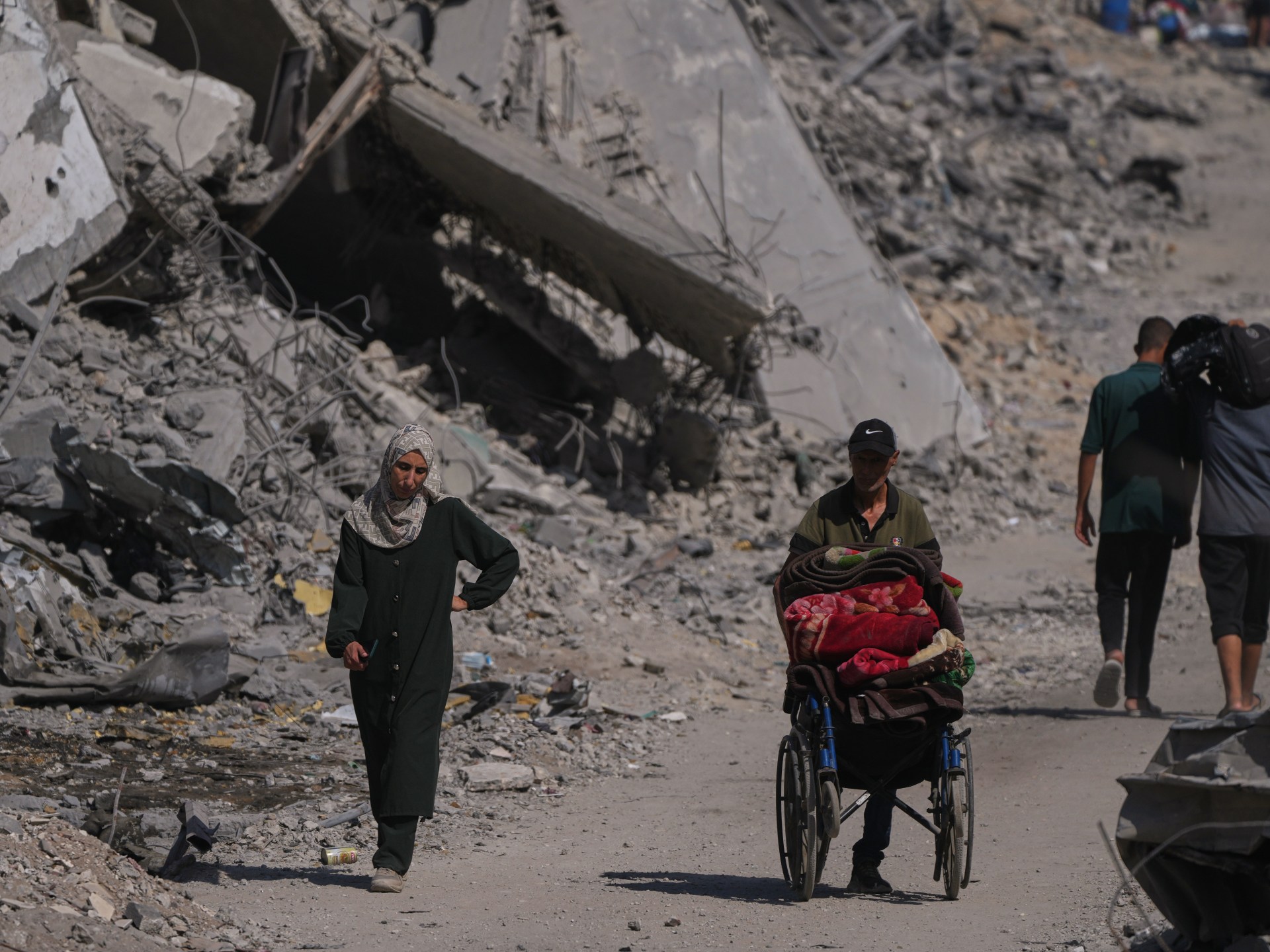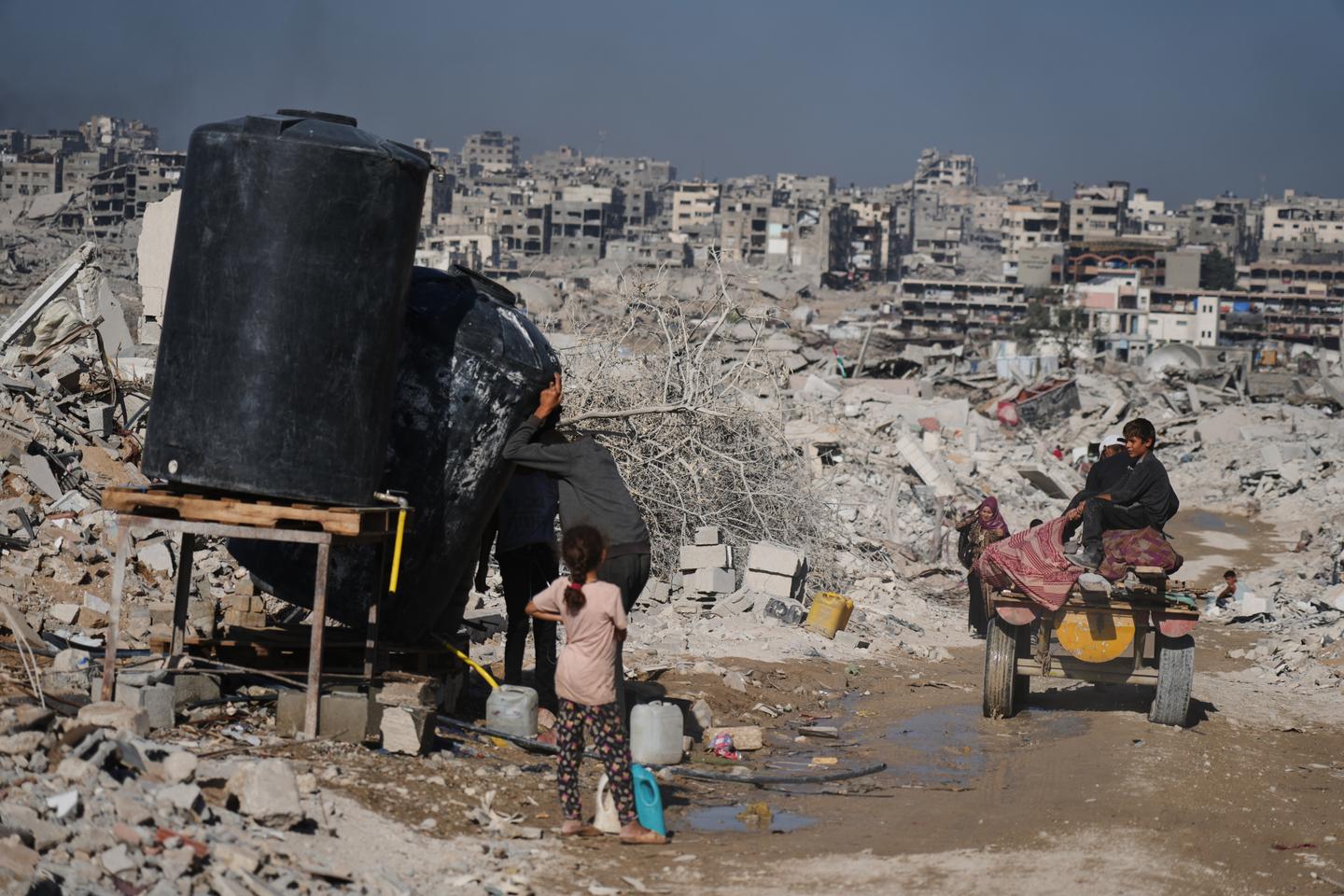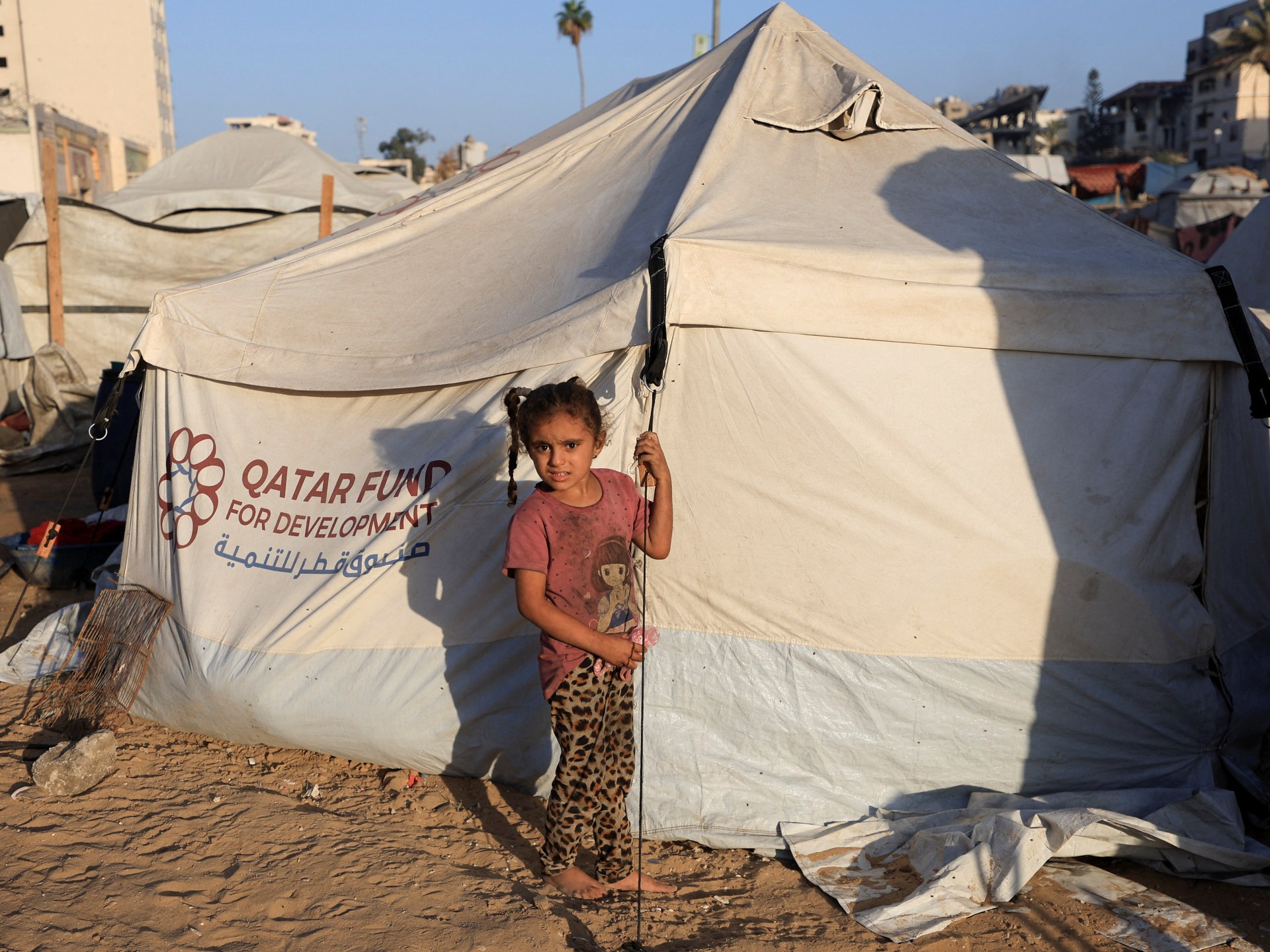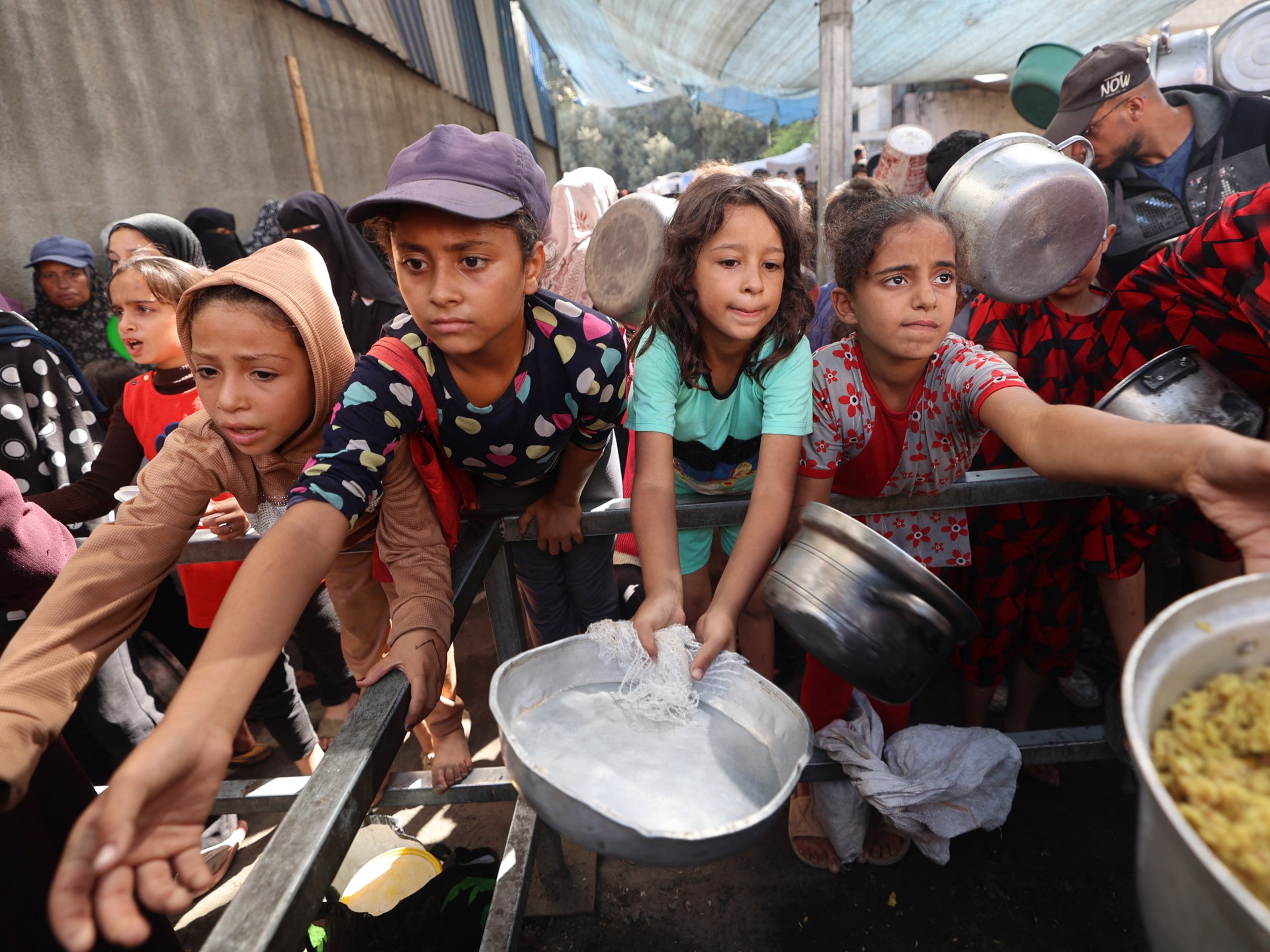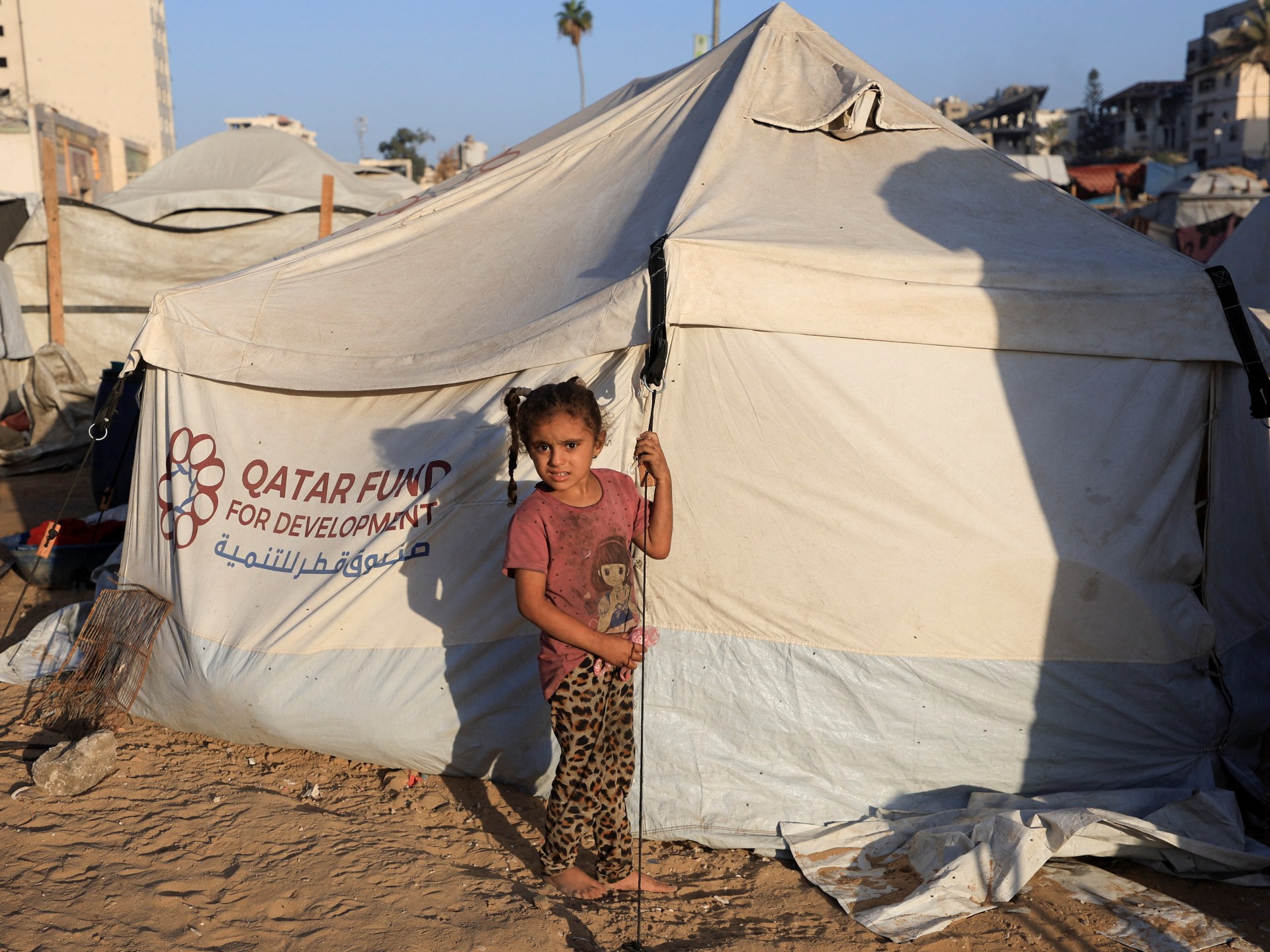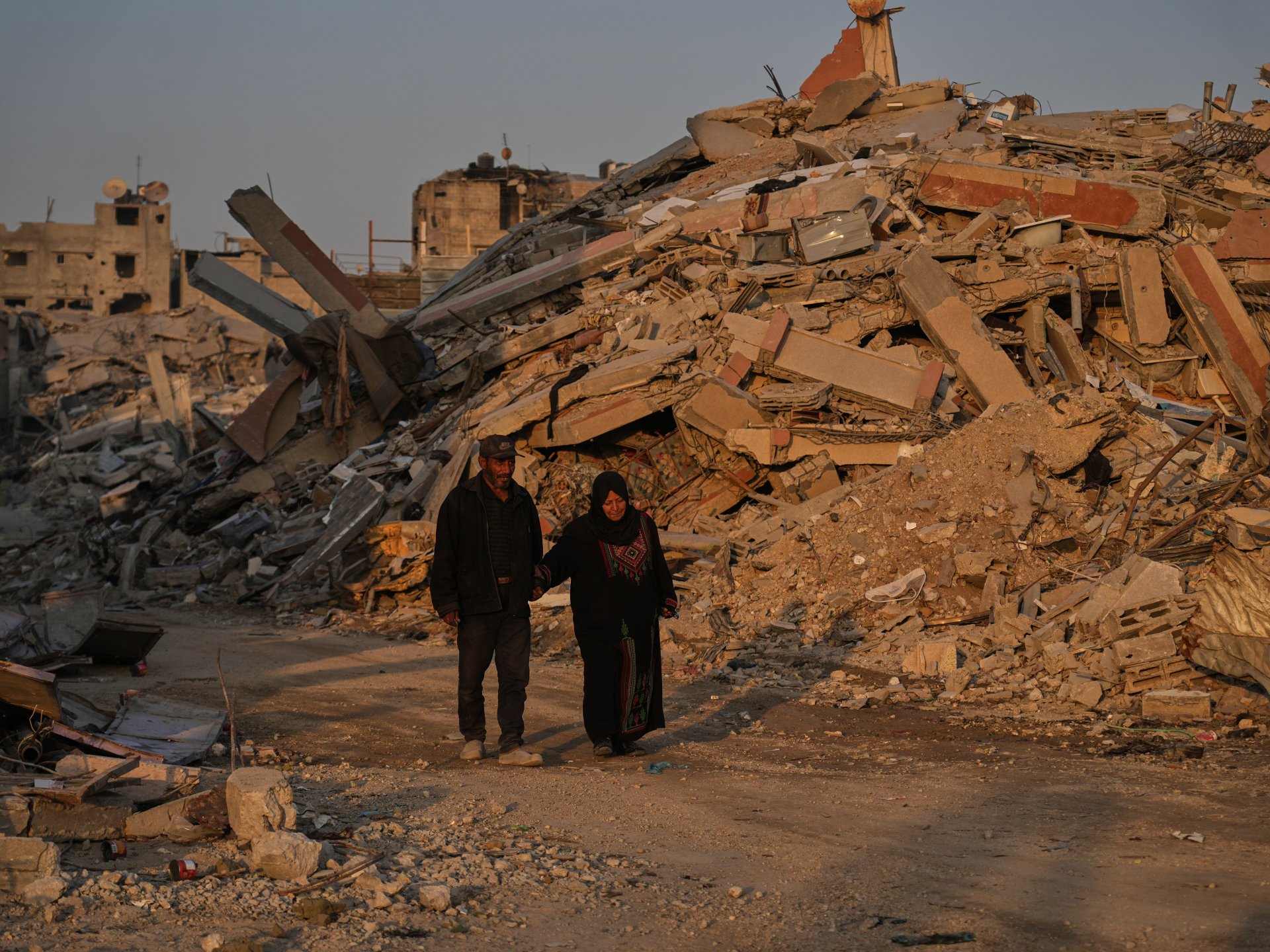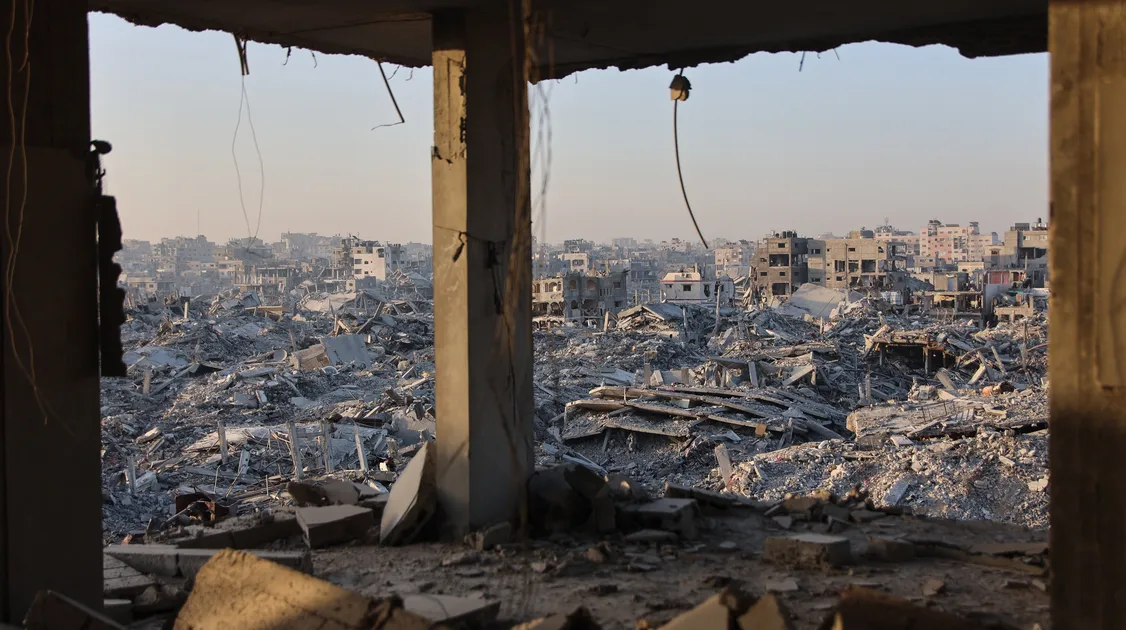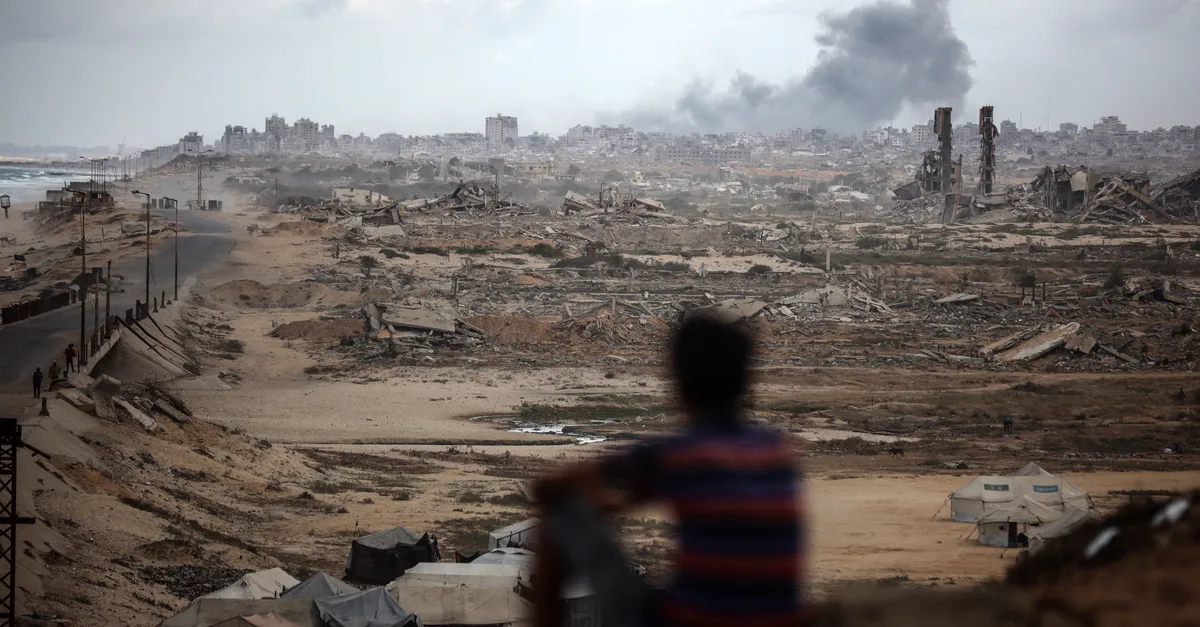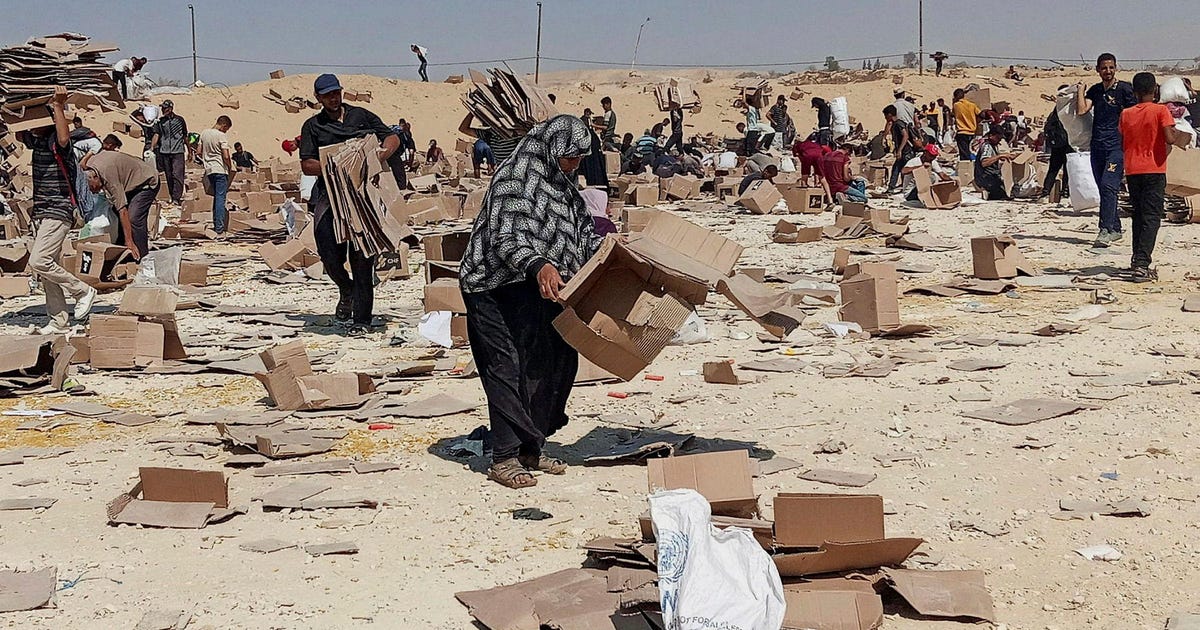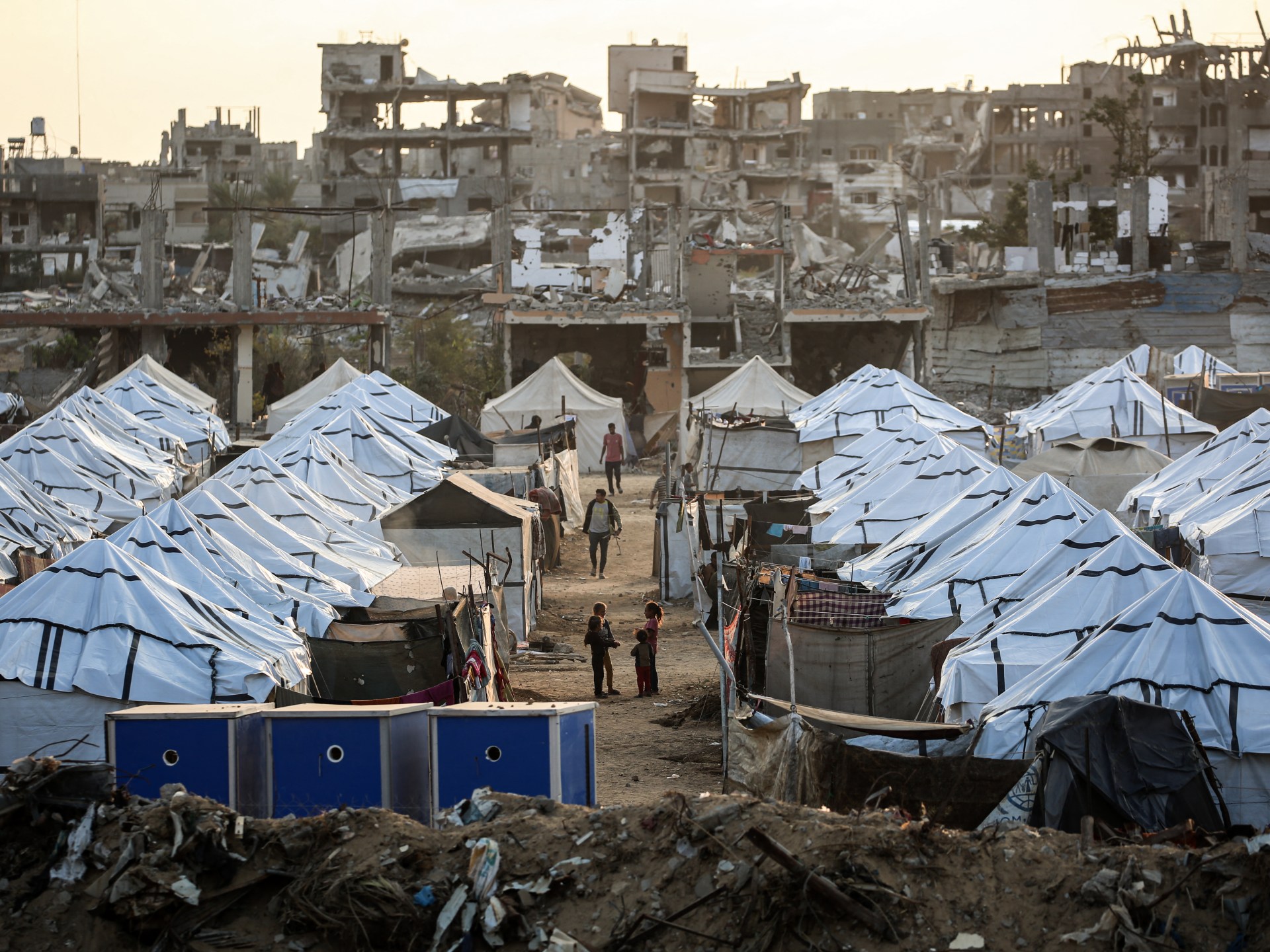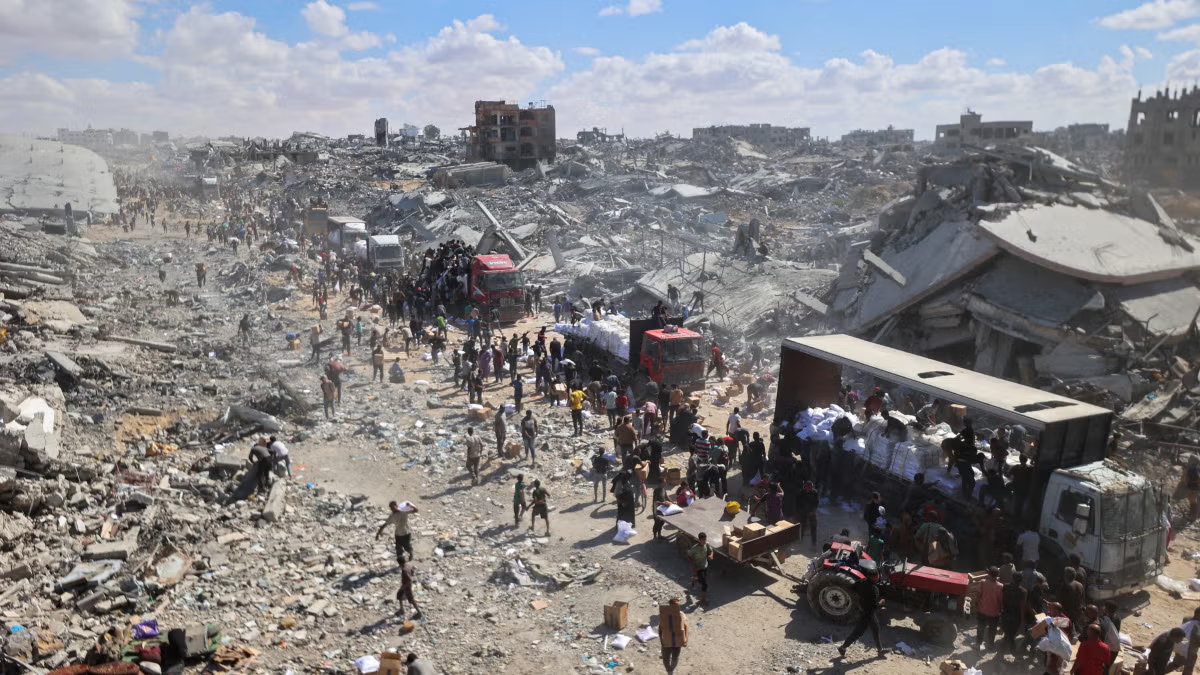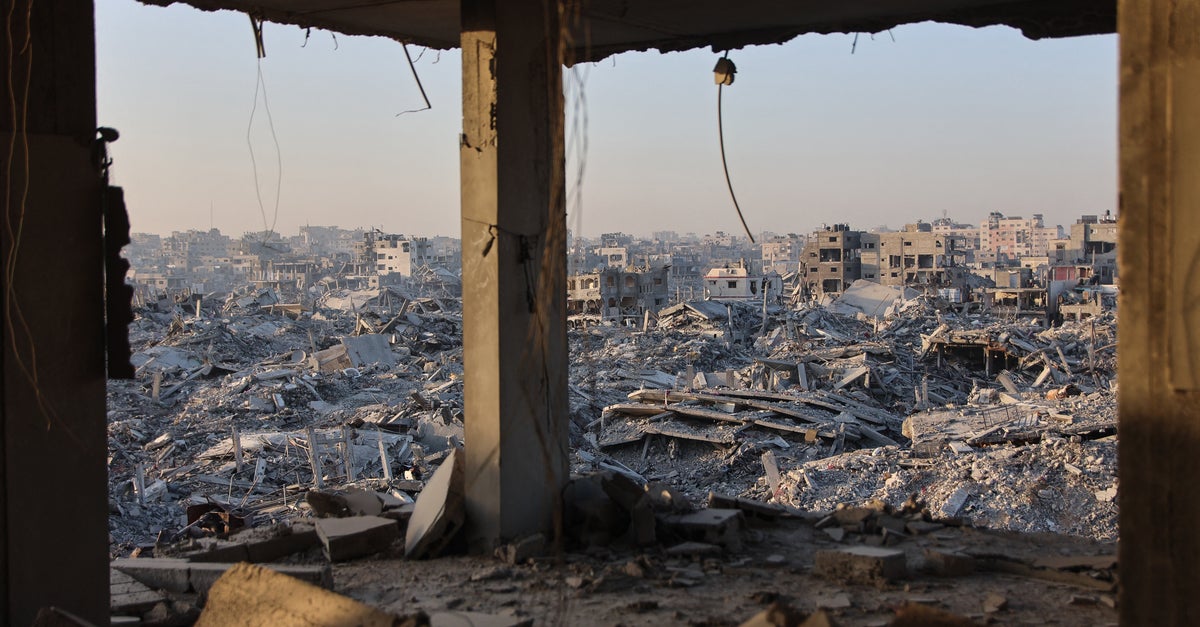
CHICAGO – The fragile ceasefire agreement between Israel and Hamas has led world leaders to increasingly call for rebuilding the now-flattened Gaza Strip – but reconstruction feels like a distant idea to humanitarians that are still trying to urgently alleviate suffering despite facing funding cuts and limited access into the enclave.
Since the agreement brokered by the United States went into effect earlier this month, the United Nations and international aid groups have tried to surge relief operations in Gaza to reach wounded, displaced Palestinians. But a campaign like that is a massive undertaking when public trust and funding have tanked in recent years.
“Total humanitarian funding has declined every year since 2022. This year we’ve only had 50% of what we received last year, and we’re already towards the end of October,” Richard Brennan, former regional emergency director for the World Health Organization, said Saturday at a conference in Chicago held by humanitarian group MedGlobal.
“We can’t lose sight of what that means to people,” he continued, citing a Lancet study that estimated about 40 million people would be dead by 2030 due to the decline in humanitarian systems.
The U.S. has been a major player in slowing down humanitarian responses, with the Biden and Trump administrations withholding funding to the one UN agency (UNRWA) that has existing infrastructure in place to meet the scale of aid distribution that Gaza requires.