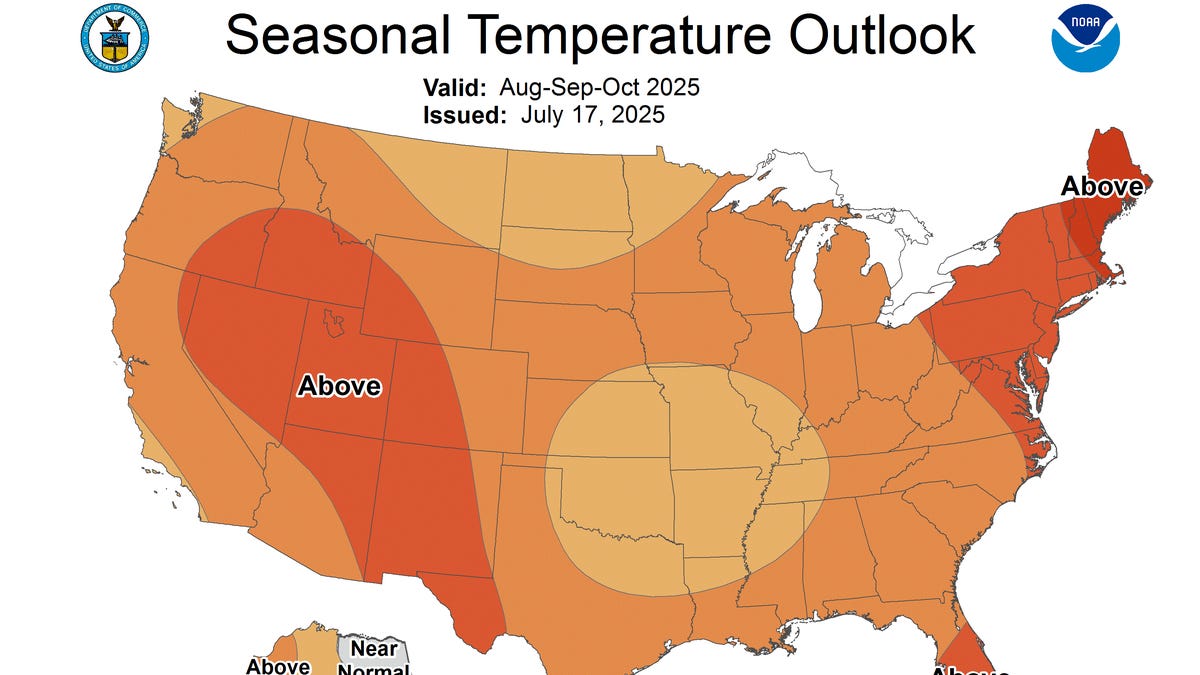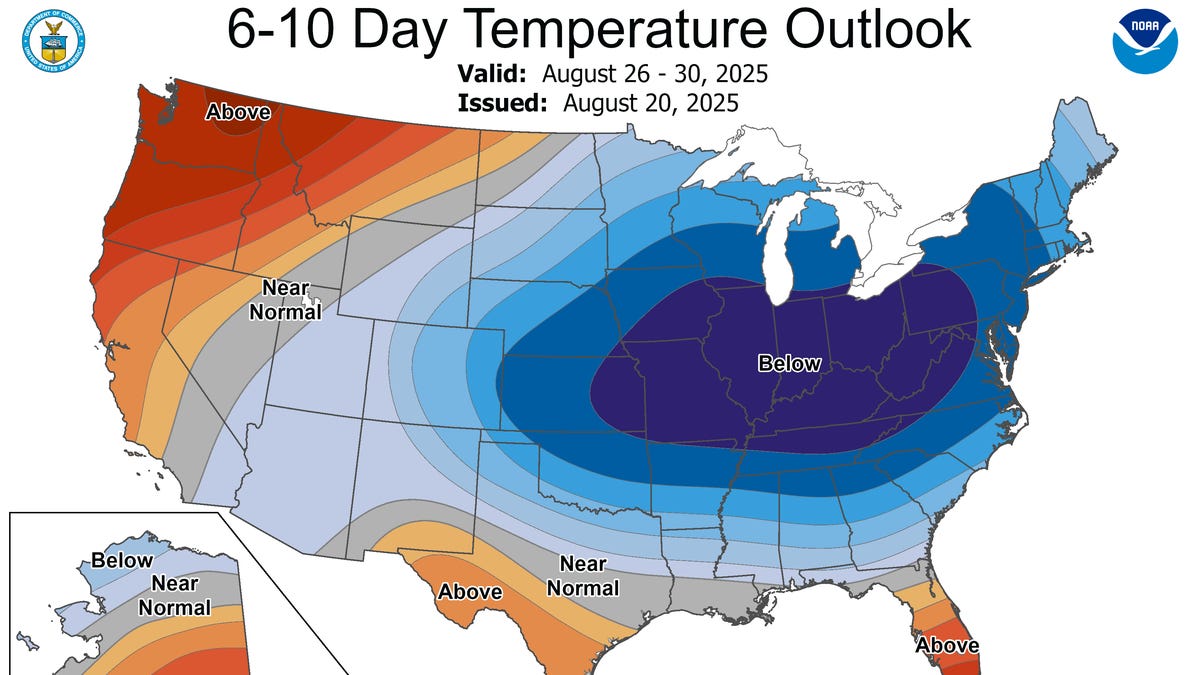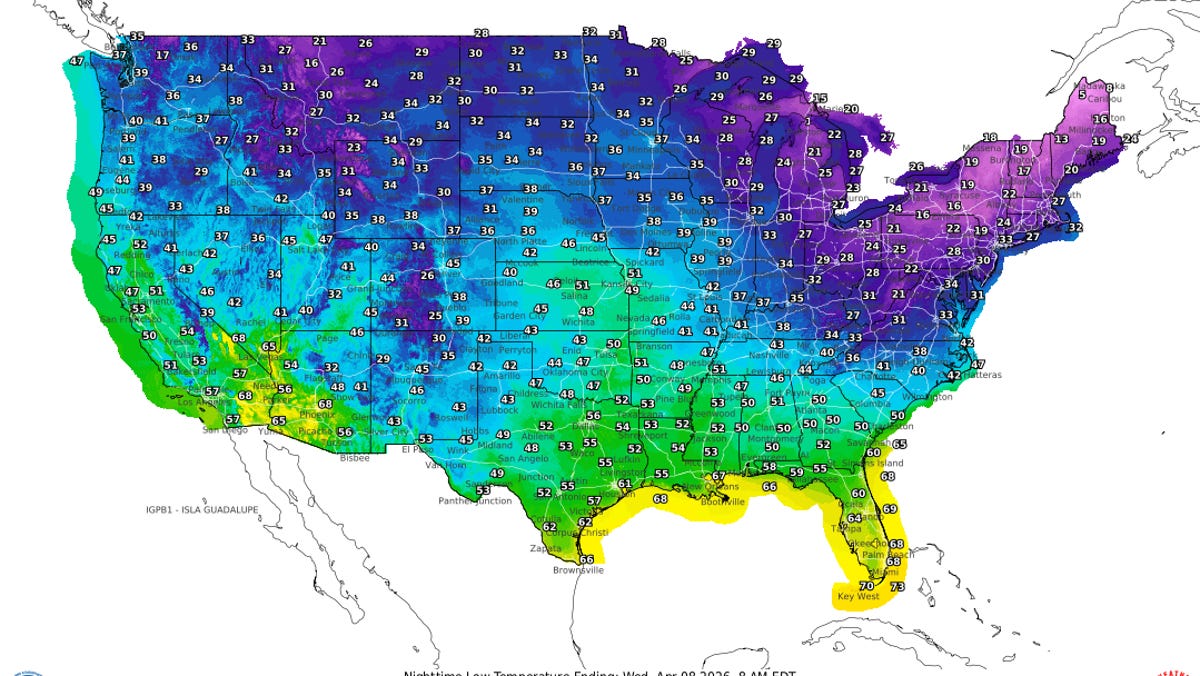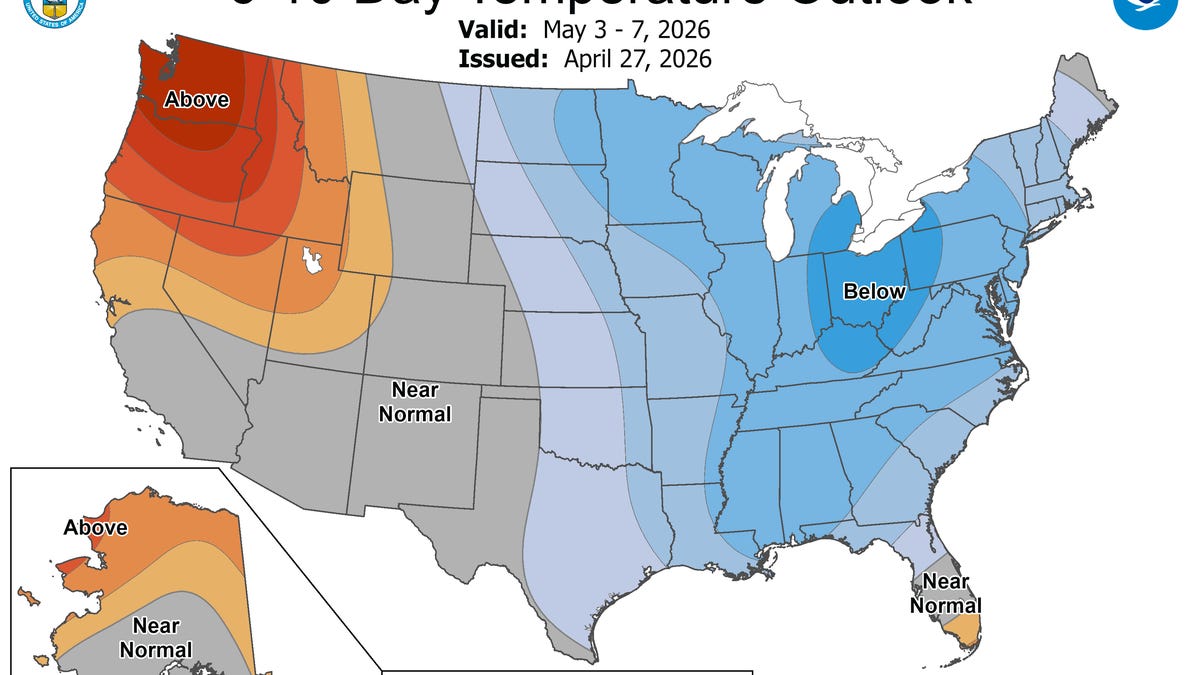
Fall's above normal temperatures are expected to linger across much of the United States this year, according to the Climate Central.
In a 2025 study, Climate Central analyzed the first freeze occurrences in 204 cities across the nation since 1970, finding that the first freeze often occurred much later in the season. Some central states, such as Kansas and Missouri, remain unseasonably warm.
Compared to the early 1970s, the first fall freeze now occurs an average of 12 days later. Given the changes in fall's temperatures, this shift is not surprising. The entire Lower 48 states experience warming fall temperatures, except for a few areas in the Midwest and Southeast.
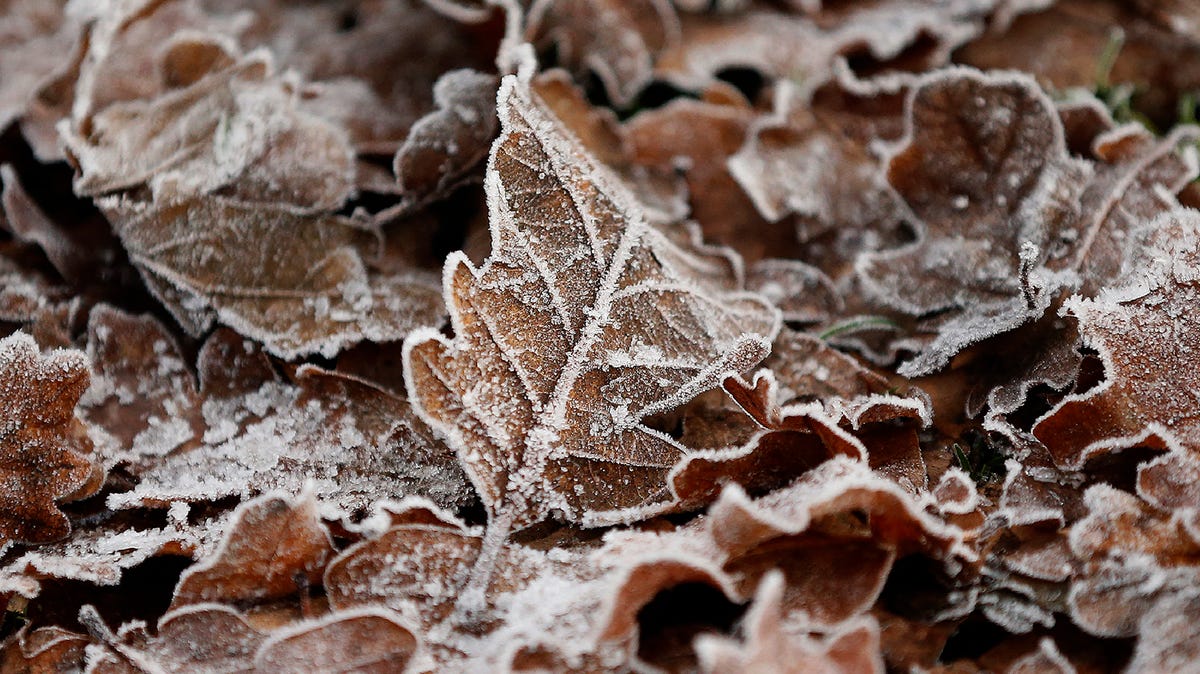
Based on data from the U.S. Climate Normals from 1991 to 2020, the first freeze occurs when the surface air temperature is predicted to be 32 degrees or lower over a large area for a period of time that is climatologically important.
Typically the National Oceanic and Atmospheric Administration's "Historical Date of First Freeze: Median Date" map below, which is used for agricultural purposes, shows the average date of each region's first fall freeze. Meaning, in five of the 10 years that were documented, a freeze is expected to have occurred on or before the specified date.