Life extensionists like Bryan Johnson want to live forever. But at what cost?
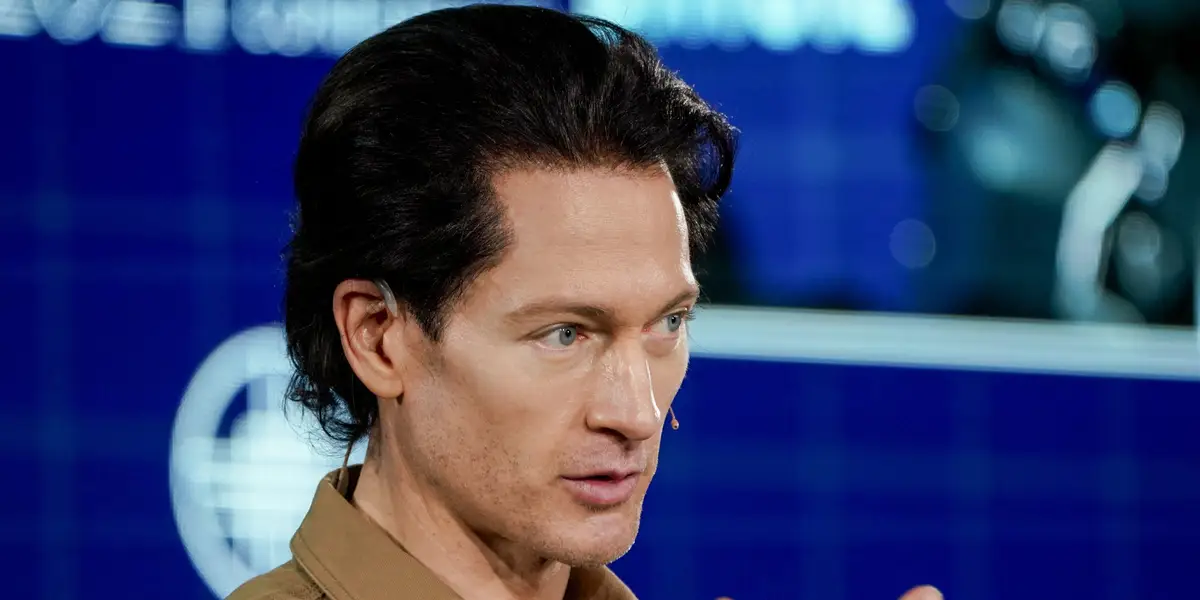
If the name Bryan Johnson isn’t familiar, a picture of him might be. He is the somewhat alien-looking, strangely ageless 48-year-old Californian battling to defy death itself.
His efforts to do so have involved receiving a transfusion of blood plasma from his then 17-year-old son, an act that attracted headlines around the world, while Johnson’s own plasma was in turn transfused into his father. What was largely missed, but is documented in Alex Krotoski’s book, is that the procedure was deemed to be a failure. The tech entrepreneur will have to find another way to live for ever.
Even so, Johnson remains the pallid face of a global crusade to defeat death, radically extend human lifespan, and reclassify (and perhaps even stigmatise) ageing as a disease, rather than an integral part of the human experience. Krotoski, a psychologist and veteran chronicler of the tech industry, is well positioned to investigate and explain the phenomenon.
Her book is at its strongest when it explores the contradictions inherent in the movement, as well as its social consequences. Johnson might be a well-known figure, but Molly and Kris Nadell are not. Krotoski visits the couple, both in their 40s, because of the way they scrape together just enough money to continue living in their RV, in which they raise their two children.