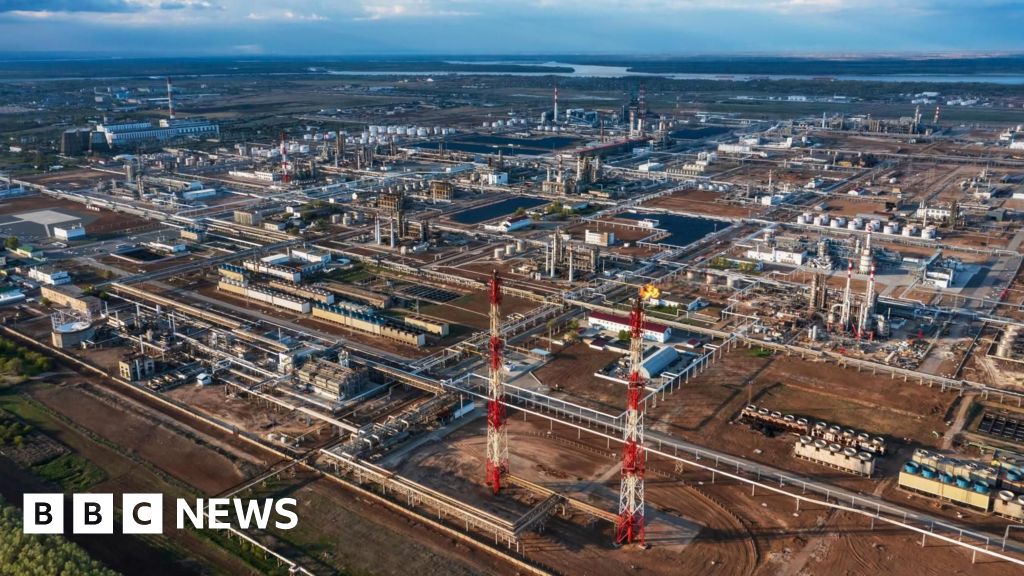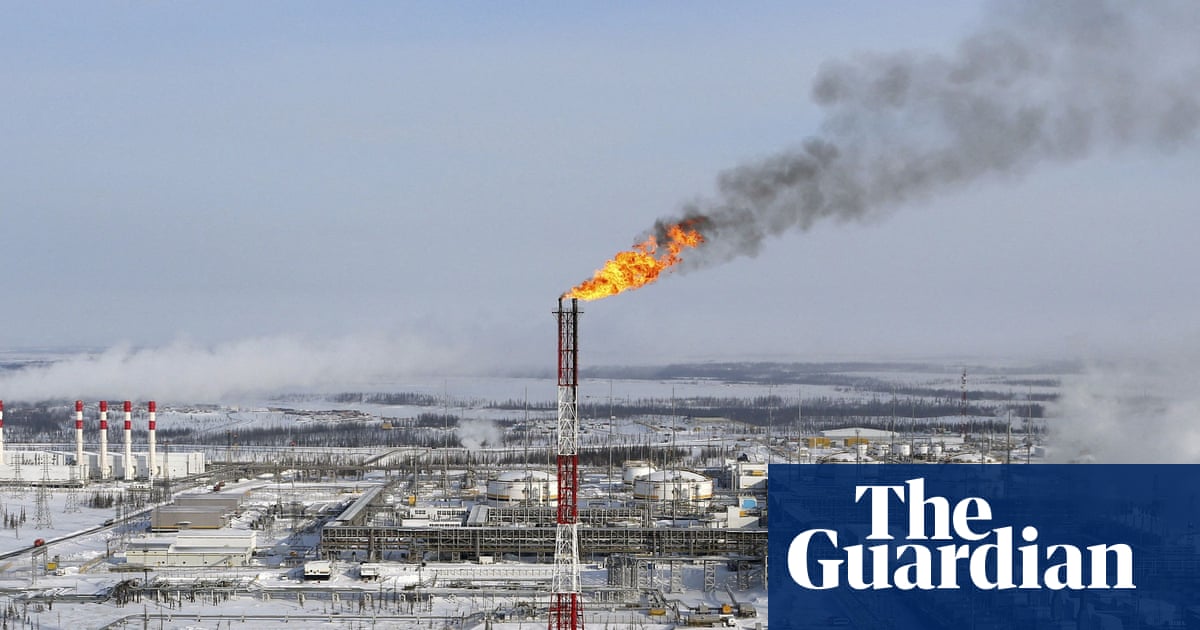
U.S. decision to sanction Russia’s two largest oil companies threatens to disrupt the energy lifeline linking Moscow to its biggest customers in Asia, but without causing an immediate supply shock, industry experts told CNBC.
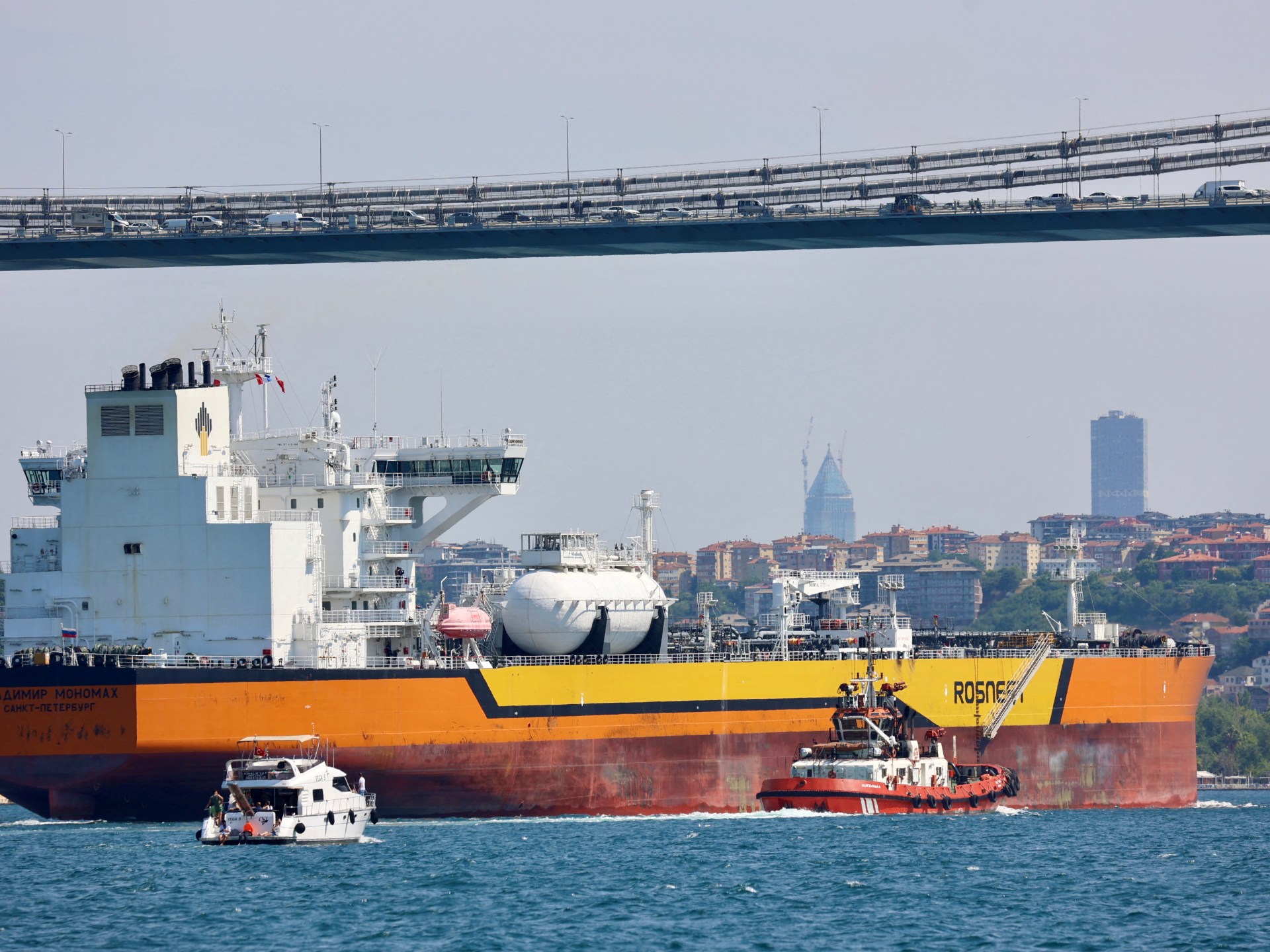
The U.S. Treasury Department on Wednesday levied sanctions on Rosneft and Lukoil, citing Moscow’s “lack of serious commitment” to ending the war in Ukraine. The sanctions aim to “degrade” Kremlin’s ability to finance its war, the department said, signaling more measures could follow.
The government has set Nov. 21 as the deadline for winding down operations, which means companies have nearly a month to wrap up or cancel existing deals with Rosneft and Lukoil. That seems to be designed to avoid causing immediate chaos in the oil markets while applying pressure on Russia, said Bob McNally, President of Rapidan Energy Group.
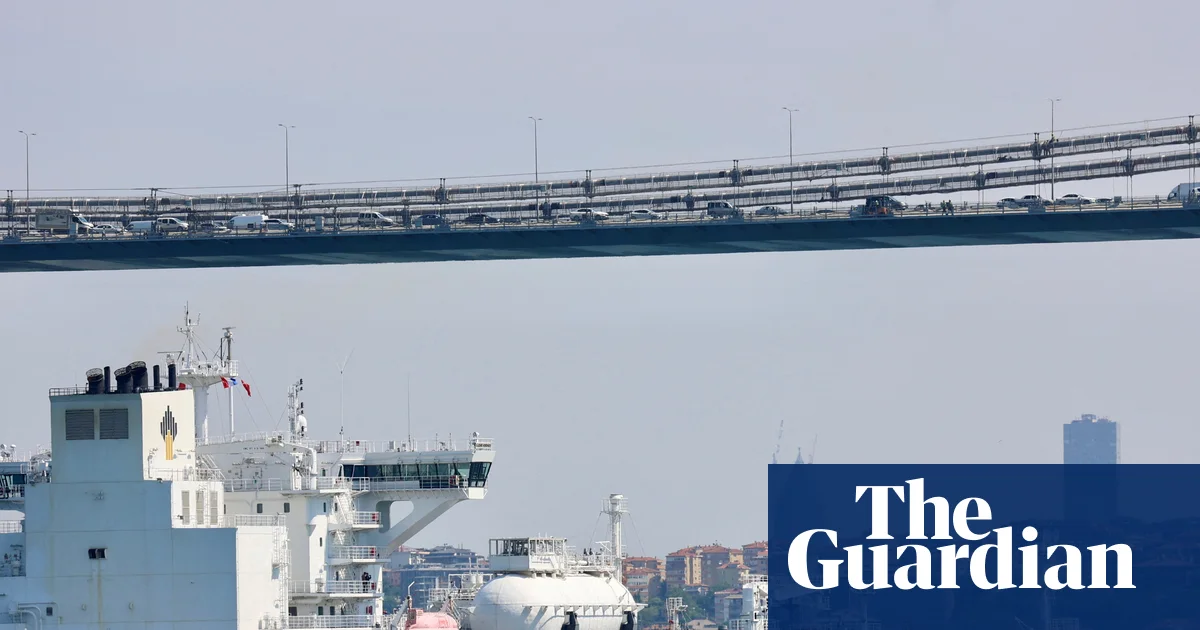
Rosneft and Lukoil together account for roughly half of Russia’s more than 4 million barrels a day of crude exports, volumes that have found steady homes in Asian markets since the West imposed a $60 price cap in late 2022, data provided by Vanda Insights showed.
China imported about 2 million barrels per day of Russian oil in September, while India took around 1.6 million barrels per day.