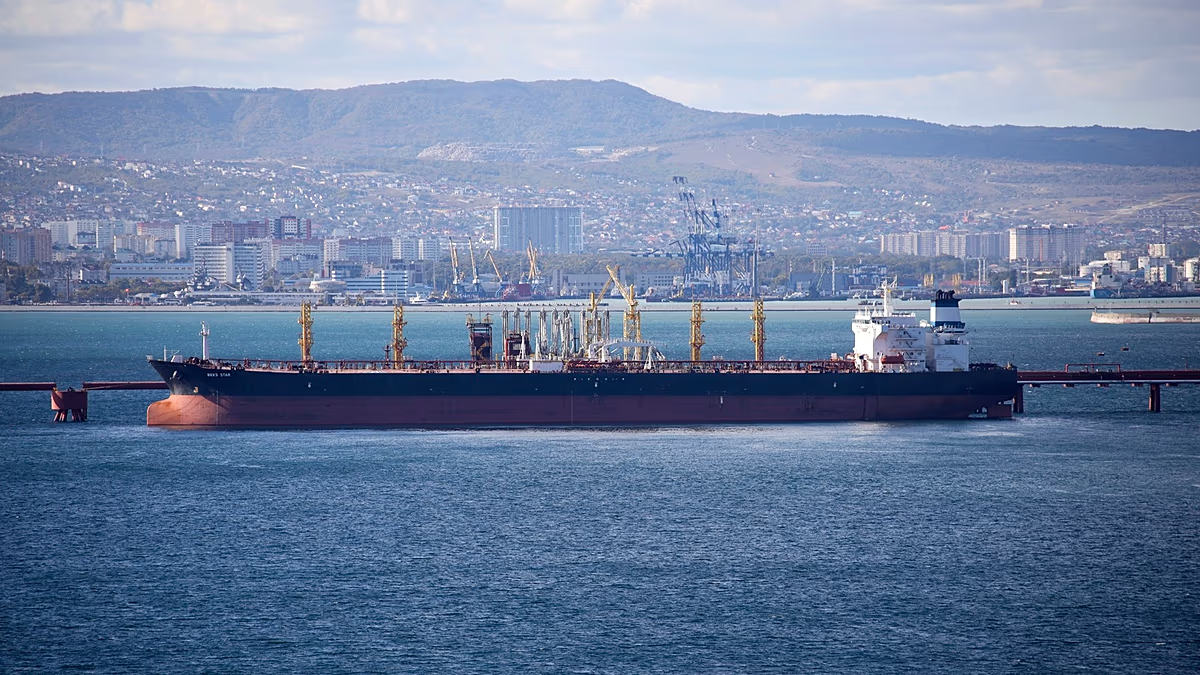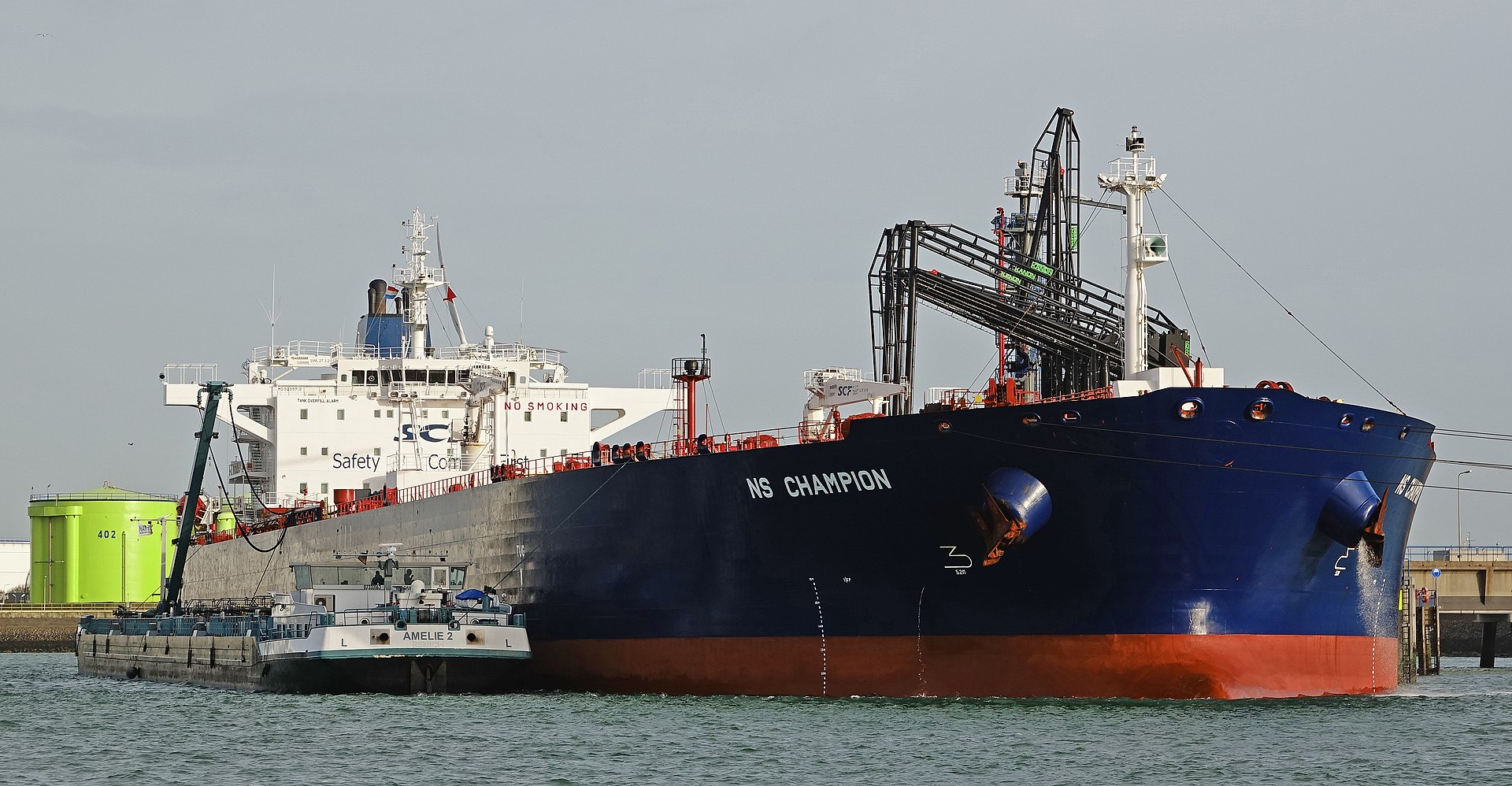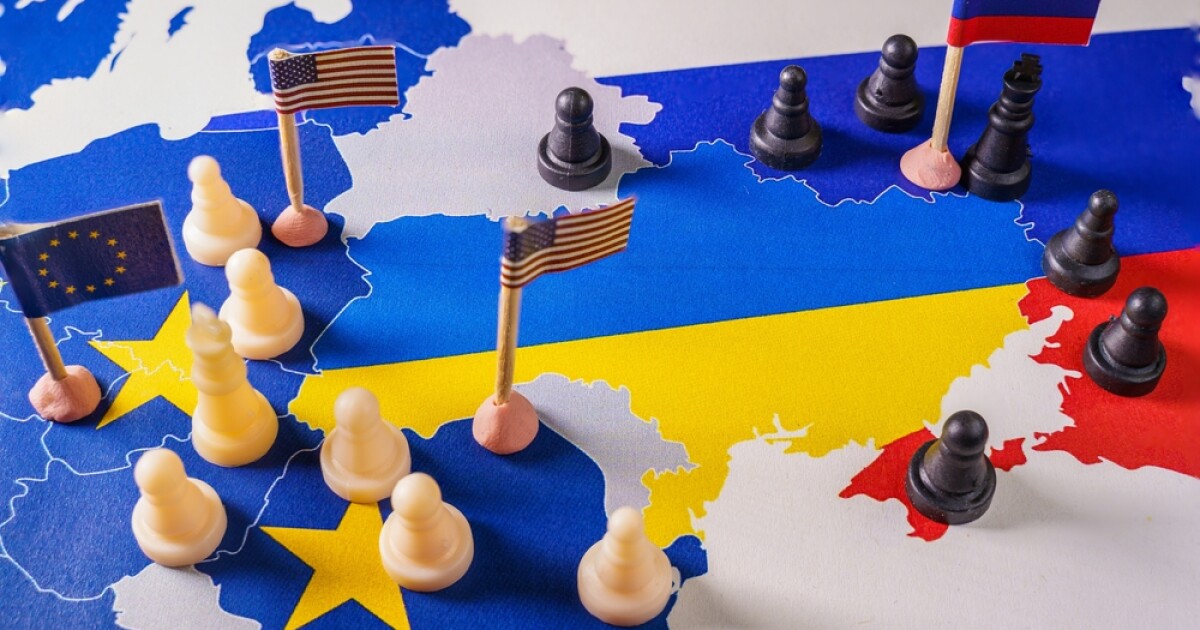
Russia faces an uphill struggle to keep its oil exports on an even keel as its war in Ukraine shows no signs of letting up. With the US this week doubling tariffs on India to 50% as a penalty for buying Russian crude and the EU and UK preparing to impose a new floating price cap on seaborne Russian oil shipments, pressure on Moscow's oil sector is mounting on multiple fronts. The tariffs are seen as driving deeper discounts for Urals, while the new price cap means Russian crude exporters are becoming even more reliant on the "shadow fleet" of tankers to ship their product to market. Estimates of the total shadow fleet (for crude and products) vary, from well into the hundreds to more than 1,000. Lacking any visible insurance and with opaque ownership structures, the shadow fleet now handles more than 80% of Russia's crude exports, as well as a sizeable chunk of its oil product shipments. The vast majority of these ships are at least 15 years old, and most are in the 20-year age bracket or older, which makes them potential floating environmental risks, especially when traversing the narrow Danish and Turkish Straits. The EU, US and UK, collectively, have blacklisted hundreds of these ships, but they tend to resurface under different names and flags, while the entities that manage them change frequently. Beyond the safety concerns, longer voyages from Russia to China could mean lower availability of these vessels, potentially making it even more difficult for Russian producers to export their crude.
EU, US Put Russian Oil Exports Under More Pressure
As Western-insured tankers stop loading Russian crude because of the new EU cap, the "shadow fleet" may rule supreme.
257 words~1 min read