Last-minute changes to new port fees enacted by the Trump administration's U.S. Trade Representative have stuck one U.S.-based ocean carrier with an estimated annual tariff bill of $34 million, after it was reclassified under new Section 301 program terms.
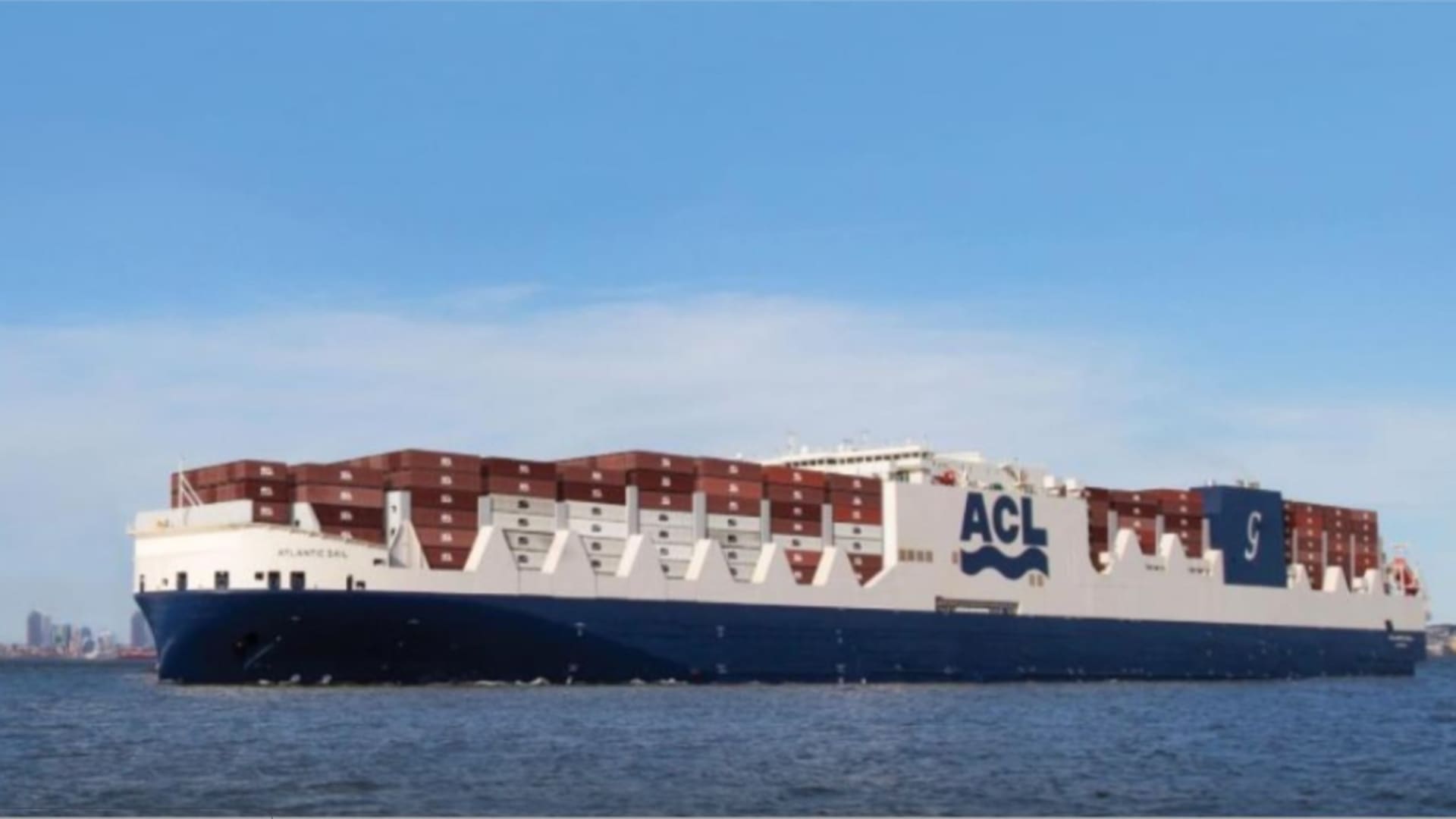
On Oct. 14, the first day of the fee program, Atlantic Container Line paid a $1.4 million tariff due to its unique container vessel construction. ACL's ships carry 80% shipping containers, 10% roll on/roll off freight (such as tractors, construction equipment, and passenger cars), and 10% freight that is oversize cargo like aircraft wings and transformers for power plants and data center machinery.
The additional changes include the fee structure for vehicle carriers, otherwise known as roll-on/roll-off (Ro/Ro) vessels, which help to carry automobiles, farm equipment and other heavy machinery. Now, a fee will be charged based on the vessel's net tonnage capacity instead of the number of vehicles being carried. That is on top of the new standard USTR port fees, which went into effect on Tuesday and have led to broader confusion among ship owners about potential financial hits.
Under the USTR rule — Section 301 allows it to take action against internationally-based discriminatory trade practices, and this investigation was begun under the Biden administration with a focus on Chinese port equipment, among other issues, and followed through on in Trump's new term — an ocean carrier is charged five times per vessel a year. ACL vessels travel along the transatlantic route, and they use five vessels in their fleet that service the U.S. trade lane to ensure weekly service.