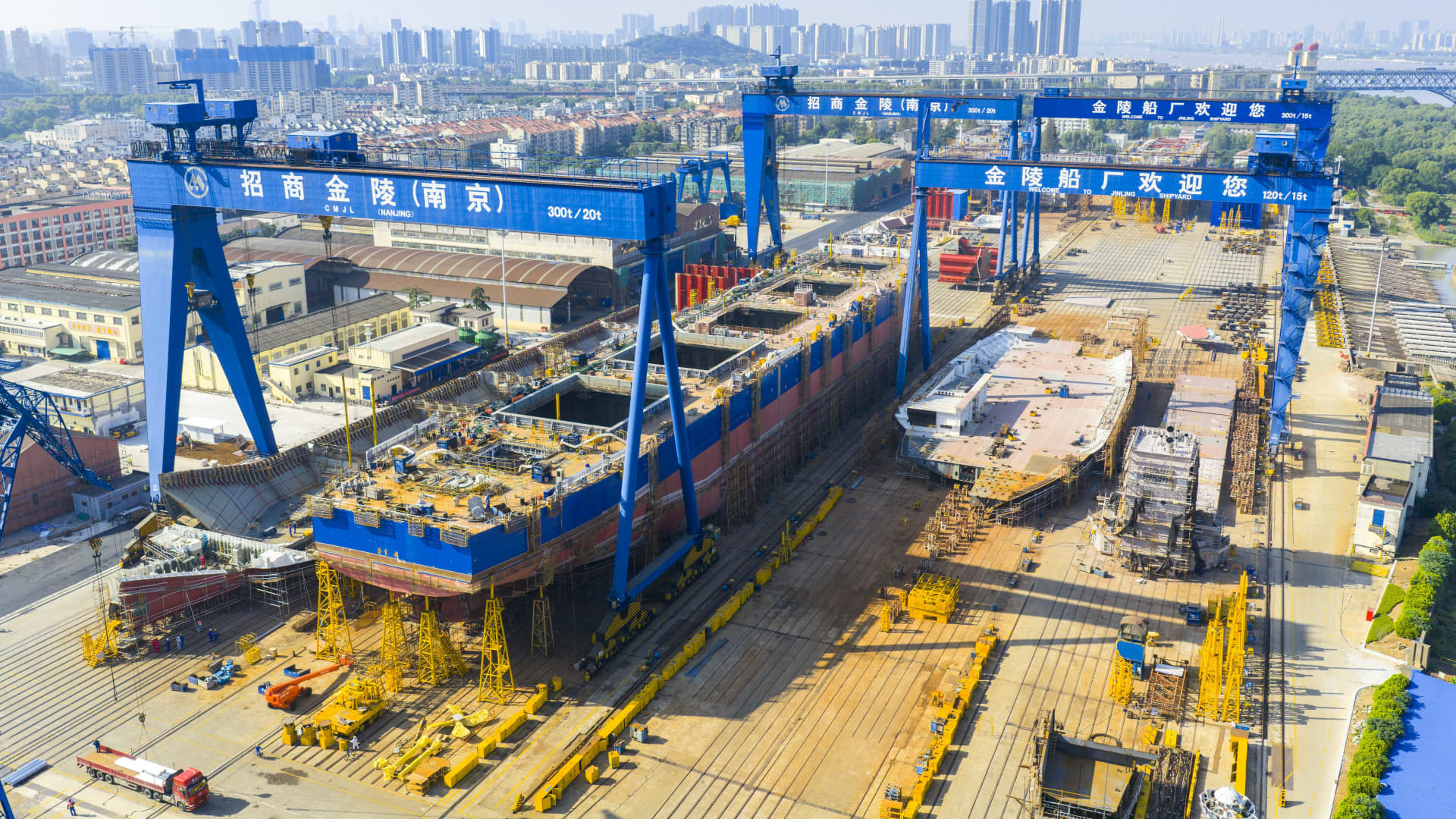
With U.S. government port fees on Chinese-made freight vessels scheduled to go into effect next week, confusion is widespread among ocean carriers about whether the U.S. Trade Representative rules could result in ship financing terms identifying their vessels as Chinese and subject them to a big financial hit.
In addition to China’s rise as a manufacturing hub for shipbuilding, Chinese lessors are also becoming more involved in managing the commercial aspects of ship operations. Ship owners and freight carriers often use vessel financing structures as an alternative to traditional bank loans and to diversify their debt and equity. China-based financing firms can offer vessels a variety of services, including acquisition and financing, sale-and-leaseback (SLB) financing for new builds, import leases, operating leases, cross-border leases, and time charter arrangements. Those deals can work for a variety of vessel types, including dry bulk carriers, containerships, and tankers.
“Confusion is definitely the right term to use to describe the current industry perception of the impending application of USTR fees,” shipping financier James Lightbourn of Cavalier Shipping wrote in an email to CNBC. “Western shipowners who otherwise have no Chinese ownership and who have financed non-Chinese-built vessels with Chinese lessors are indeed looking to refinance or restructure those transactions,” he stated.