Rivalries are hard and real in cricket but the game’s capacity for fluctuating, compelling narratives creates heroes out of foes
A
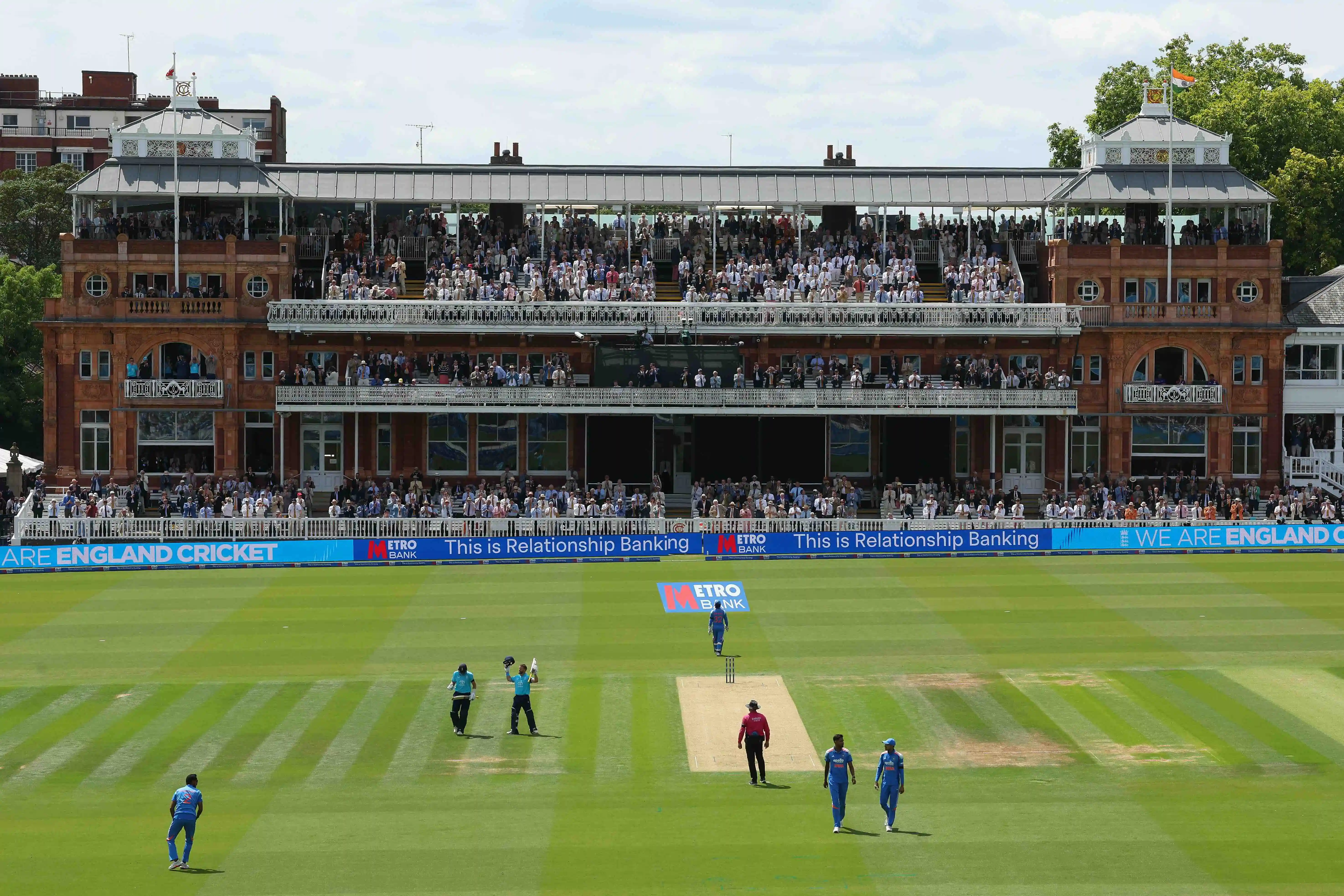
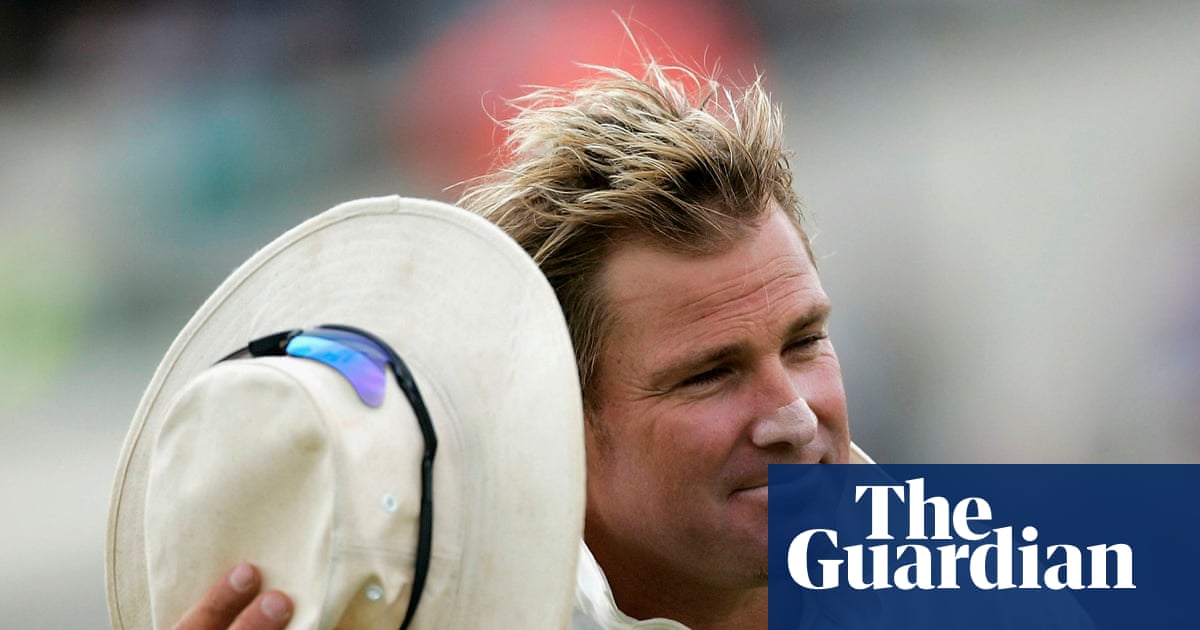
t the most famous cricket ground in the world, inside the sport’s most revered pavilion, there is a lifesize painting of a man who terrorised English cricket for 15 years. Across the manicured green turf at Lord’s, inside cricket’s most celebrated media centre, the main commentary box is named after this generational tormentor. About 84 miles away, at the Rose Bowl near Southampton, an entire stand bears his name.
English cricket has every reason to hate Shane Warne. In 36 Ashes Tests he bagged 195 wickets at an average of 23.25. From his opening ball of the century at Old Trafford in 1993 to his final bow in Sydney in 2007, he seemed to operate on a different plane. This peroxided devil ruined summers and deepened cold, bitter winters, yet he became an English national treasure, the perfect reminder that cricket, above all else, is something that should be enjoyed.
Warne was everything that the English stereotype wasn’t: a technicoloured rogue in a land of beige, a beer-chugging, chain-smoking larrikin plucked straight out of central casting. As Nietzsche once wrote: “To love is to be in a state of perpetual want.” Perhaps that’s the secret to England’s endearment, the joy of yearning for what could never be theirs.