Welcome to Forbes! With your consent, we use cookies and other similar technologies to better understand your actions and interests, enhance functionality, customize your experiences, and to provide content and advertising that is more relevant to you. We also use them to help ensure the secure use and navigation of the site. For further details on our use of cookies and your personal data, please see our Privacy Statement.
D
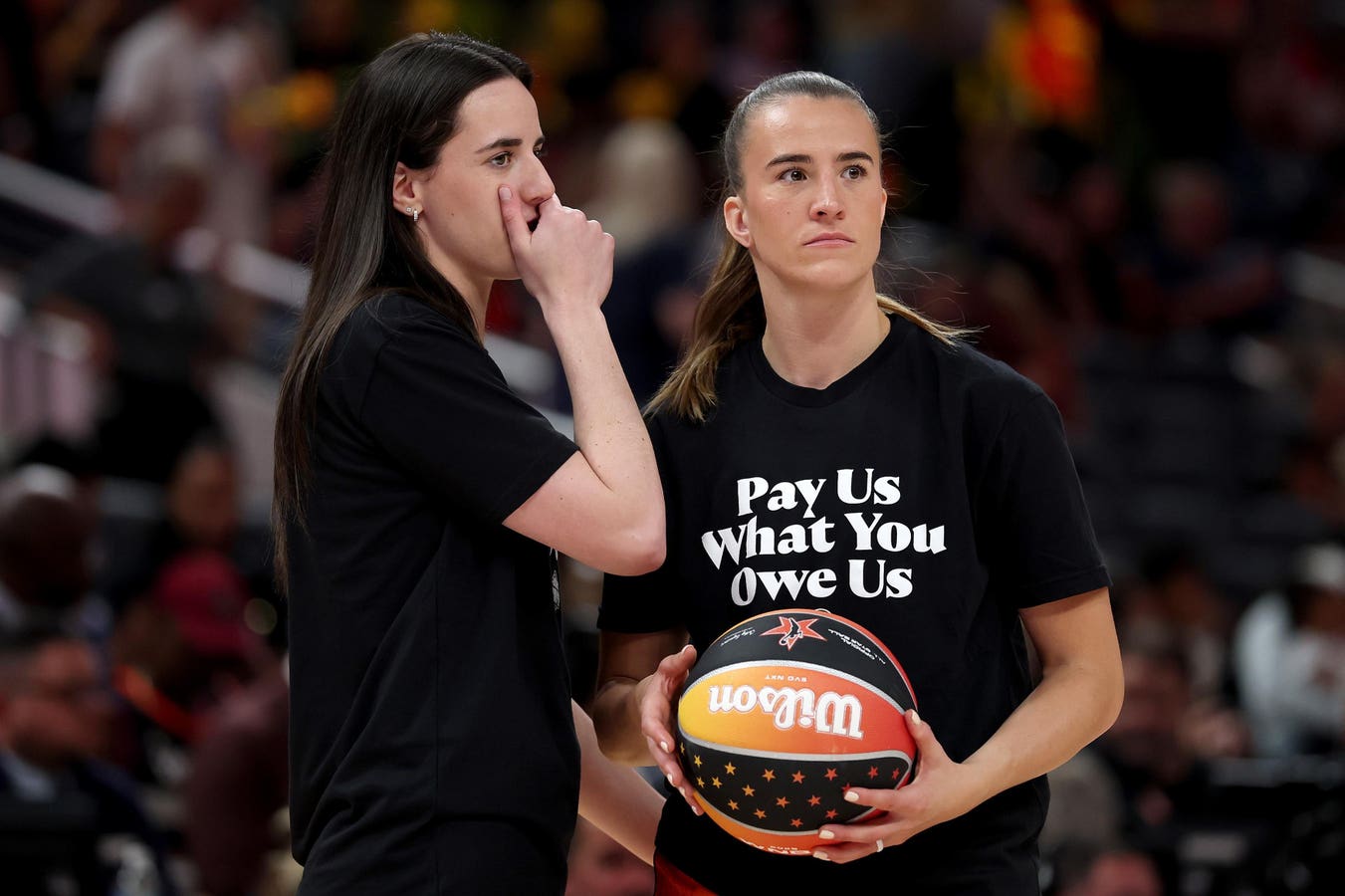
uring September’s U.S. Open tennis tournament, ESPN cut away from a marquee match between two-time champion Naomi Osaka and the 2023 title-holder Coco Gauff to air an ad for other sports coverage on the channel. The athletes in the spot? Caitlin Clark and several of her WNBA peers.
The moment served as a powerful reminder that women’s influence in American sports has gotten too big to ignore.
The money has been flowing into the sector for the past few years now. In 2024, revenue for all of women’s sports surpassed $1 billion for the first time, and it is projected to hit $2.5 billion by 2030. According to a recent report by McKinsey, revenue from women’s sports is growing at more than four times the rate of men’s sports. Meanwhile, the WNBA’s 11-year, $2.2 billion media rights deal will begin next year, quadrupling the value of the league’s previous contracts and virtually ensuring that viewership records will continue to be broken.