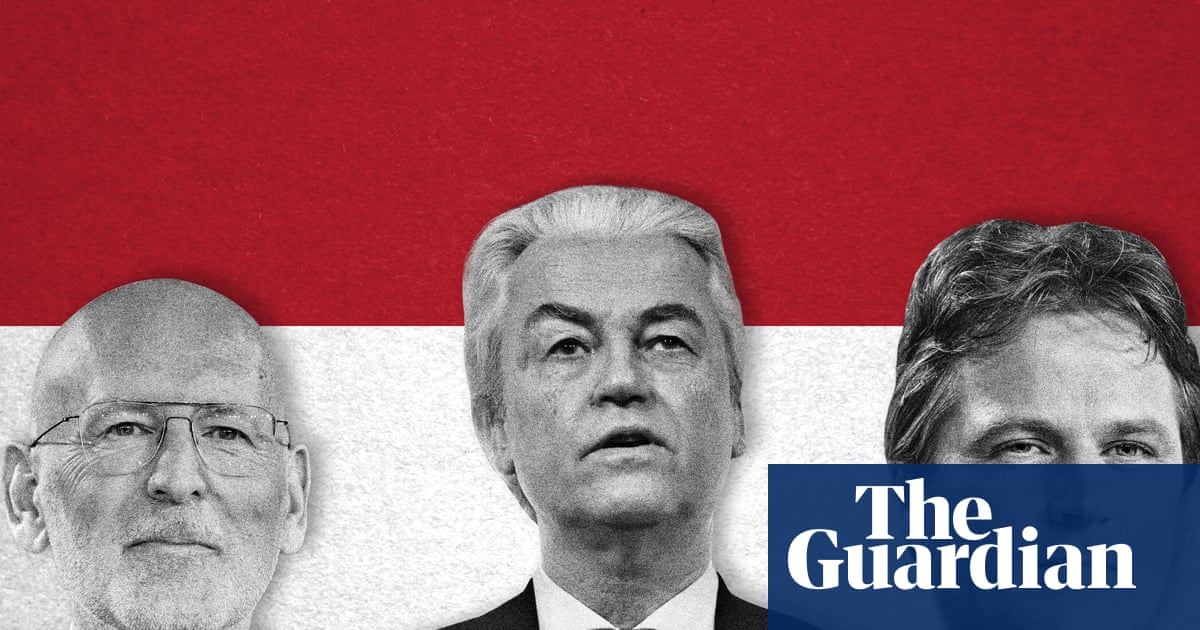
Voters could swap a rightwing government for a more moderate coalition – but the fragmentary political system makes any outcome possible
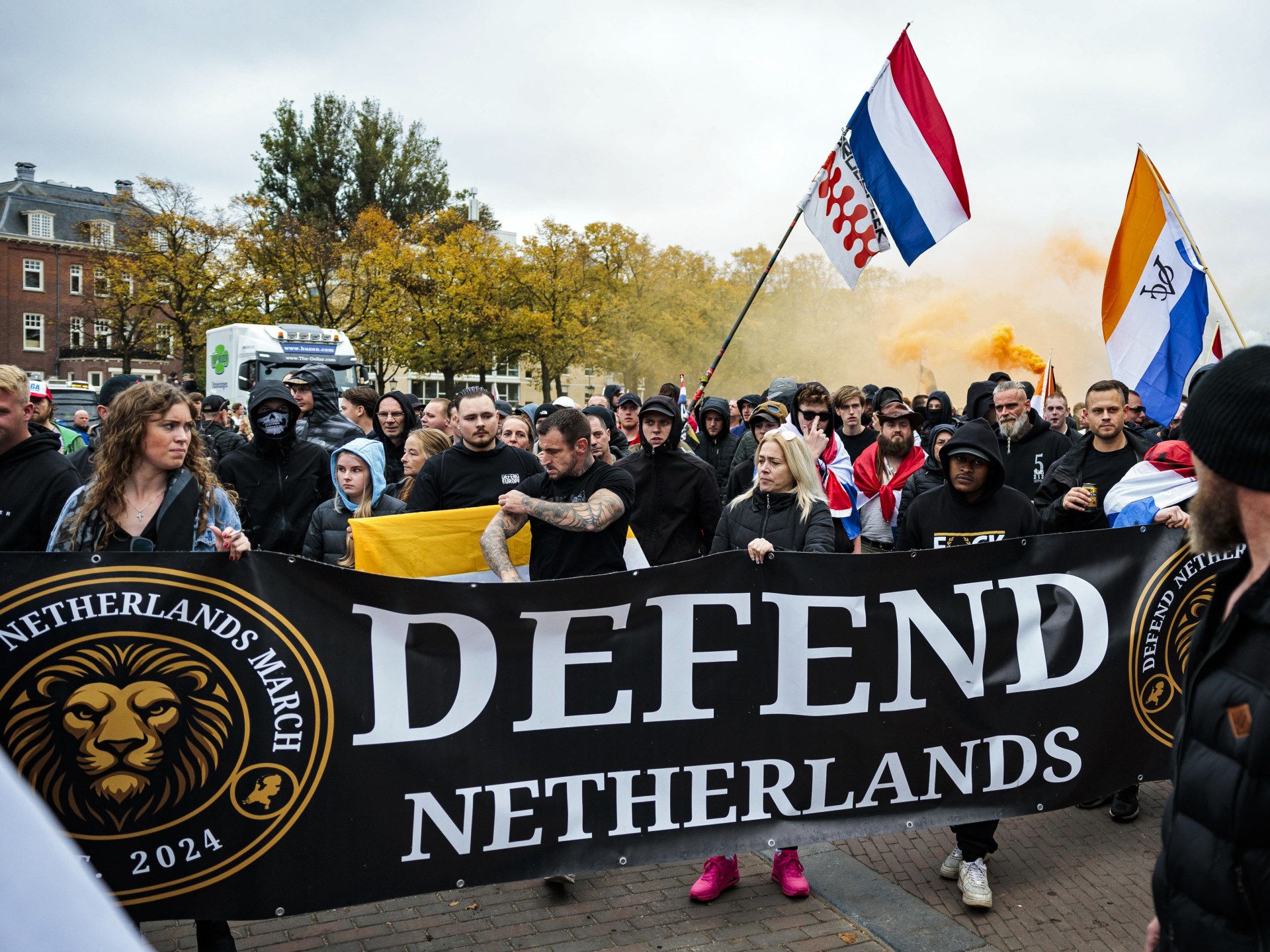
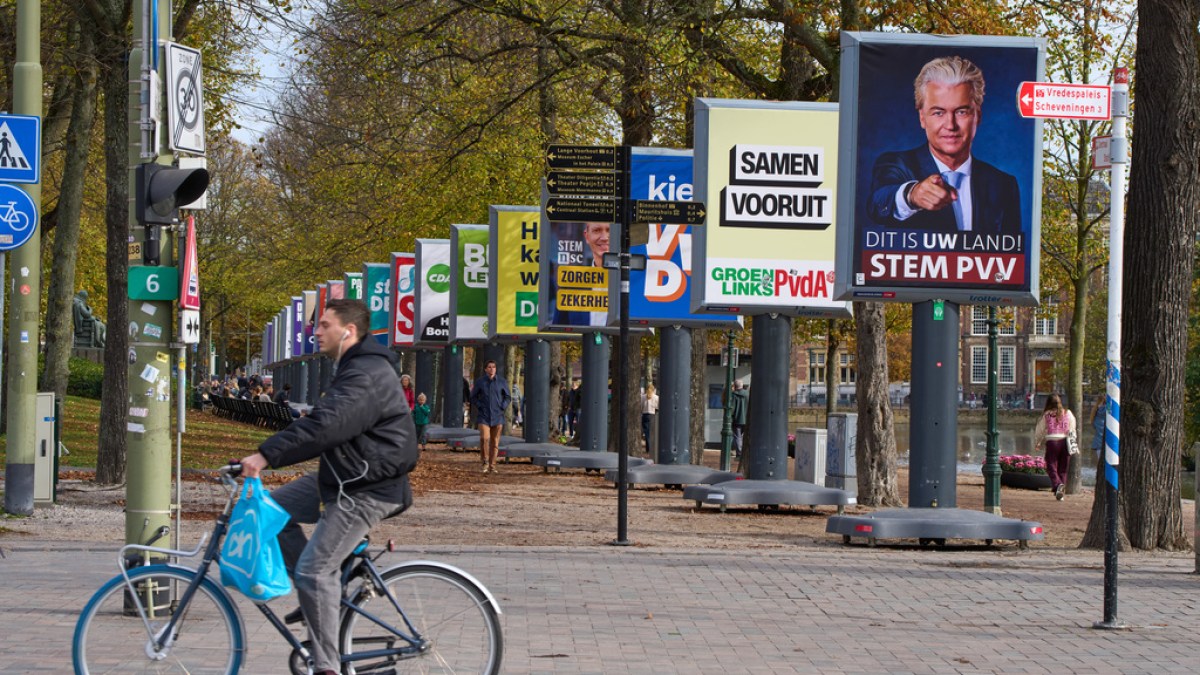
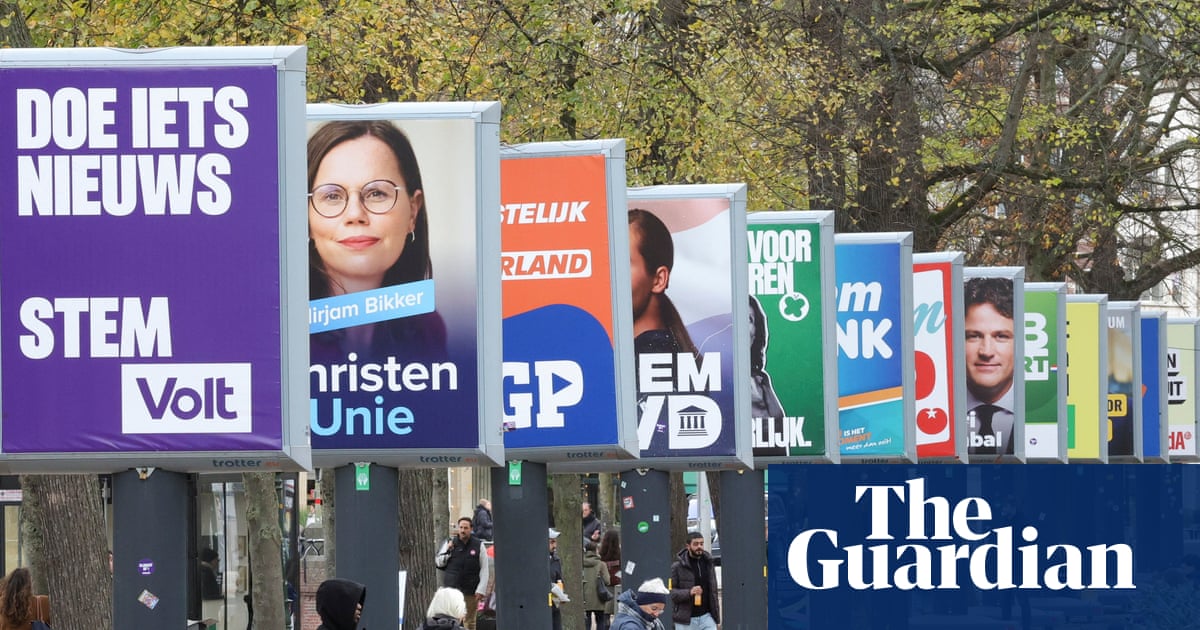
Here is the lowdown on elections in the Netherlands, where voters look likely to swap the most rightwing government in recent Dutch history for a more moderate, commonsense coalition in a snap parliamentary ballot on 29 October.
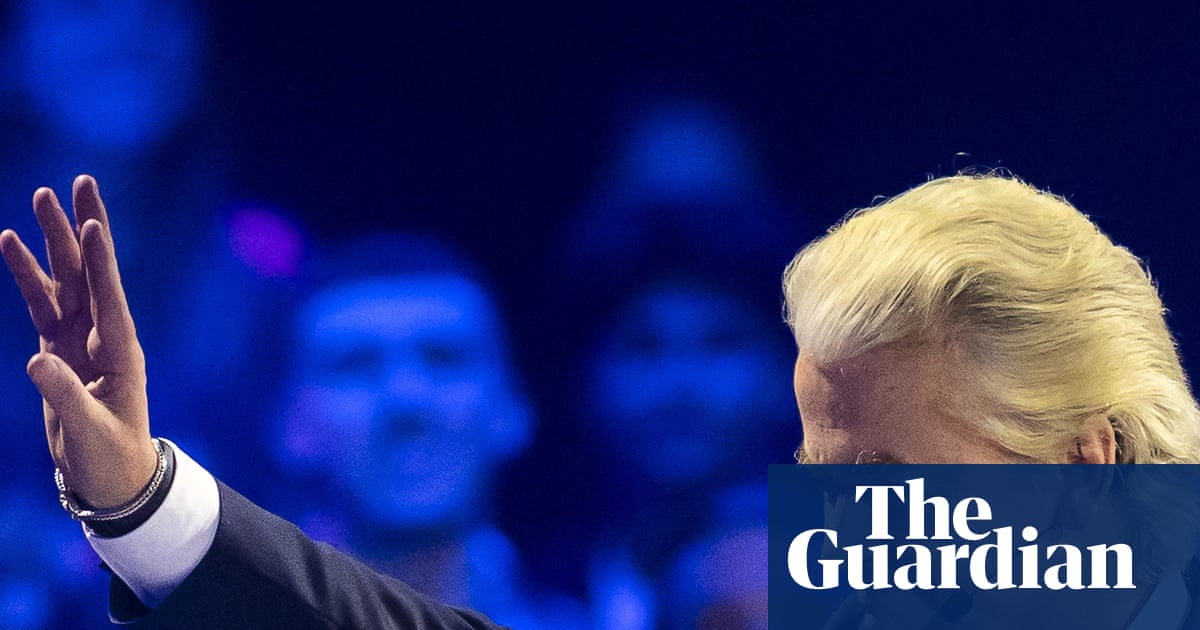
The early legislative elections were triggered by the collapse in June of the outgoing 11-month-old government after the far-right firebrand Geert Wilders pulled his Freedom party (PVV) out of an already fractious and highly ineffectual ruling coalition.
The PVV had finished a shock first in the last 2023 election, and after more than six months of talks formed a fragile four-party rightwing coalition with the populist Farmer-Citizen Movement (BBB), centrist New Social Contract (NSC) and liberal-conservative VVD.
Wilders’ partners, however, considered him too toxic for the job of prime minister, which went to a former intelligence chief, Dick Schoof. Wilders, an anti-immigration polemicist who has lived under police protection for two decades, resorted to sniping from the sidelines.