The move to shut the agency comes as aid budgets are being slashed, leading to fears that global progress on HIV may be reversed
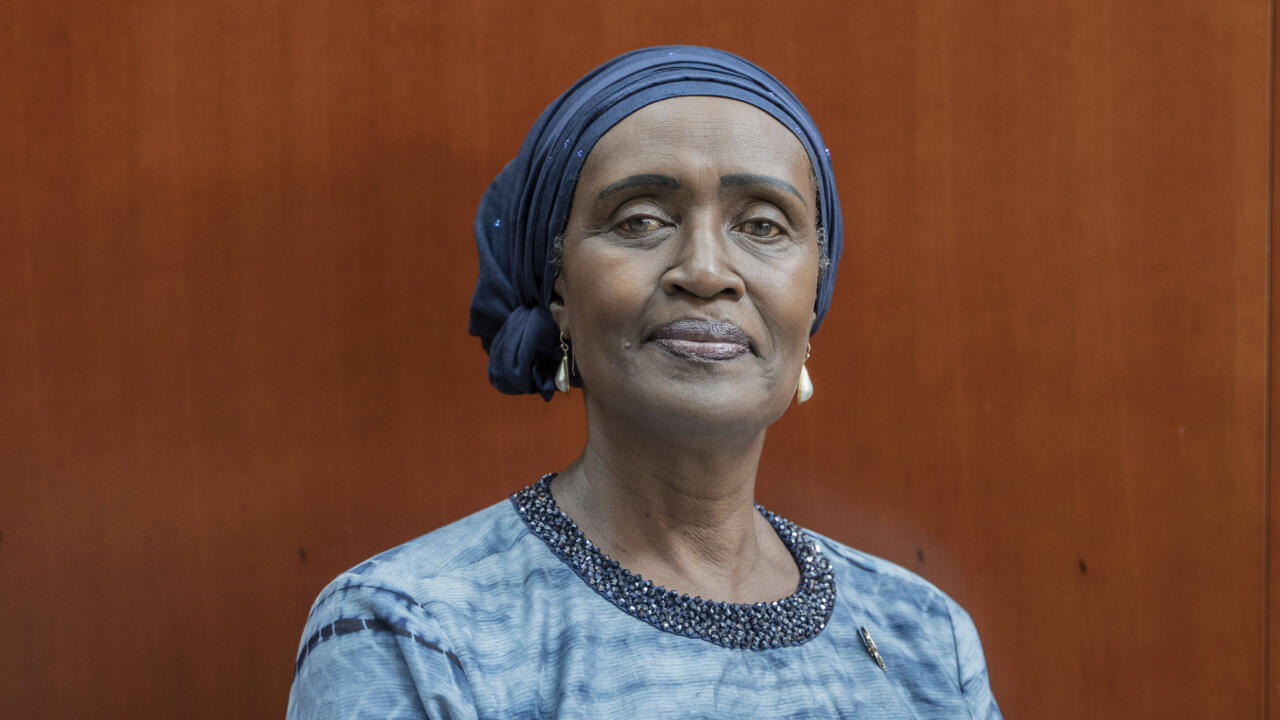
As executive director of the Eurasian Harm Reduction Association, Ganna Dovbakh was among the many public health officials and NGO leaders shocked by the UN secretary-general’s proposal to “sunset UNAids by the end of 2026”.
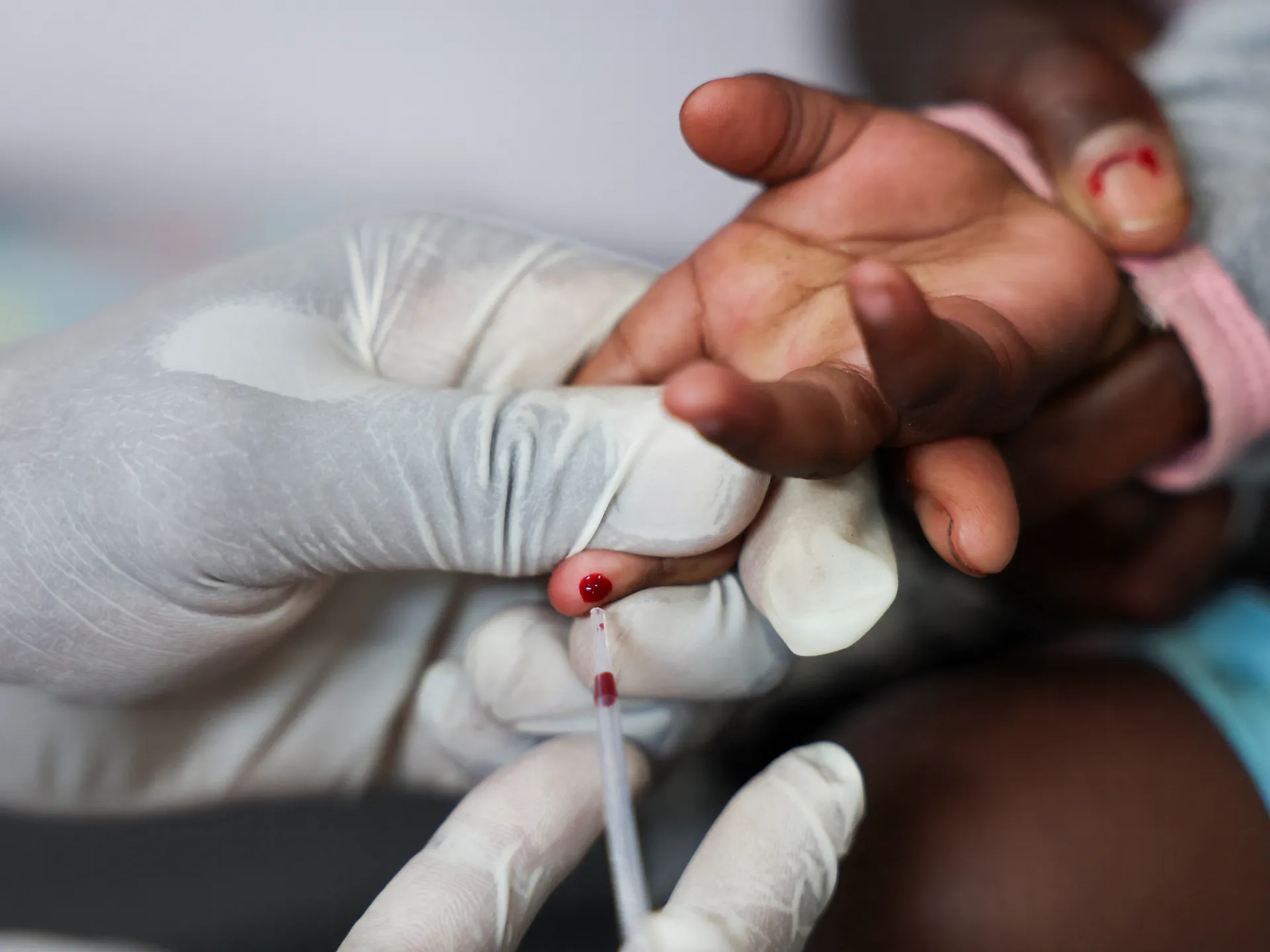
In the eastern European and central Asian (EECA) countries where Dovbakh works, research indicates that the epidemic is on the rise. Over the past decade, there has been a 48% increase in new infections, and a 32% rise in Aids-related deaths, predominantly among marginalised and criminalised populations such as sex workers, men who have sex with men, and people who inject drugs.
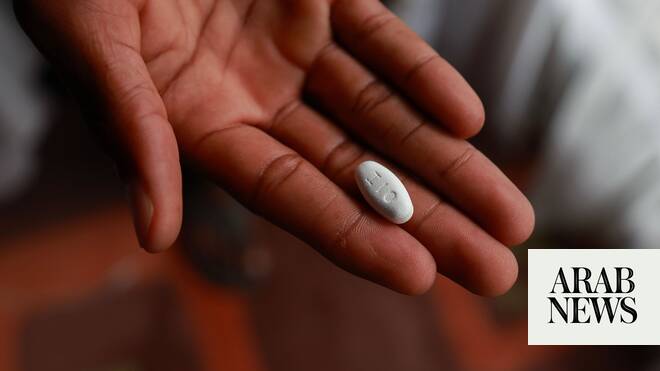
UNAids, says Dovbakh, has always played the role of the region’s diplomat, able to converse with ministers in countries where freedom of speech is limited, advocate for the rights of vulnerable people, and coordinate the sourcing of life-saving antiretroviral drugs from foreign donors. In Tajikistan, for example, where the national HIV response is transitioning from being supported by international funding to being covered by the domestic health budget, she describes UNAids as critical to ensuring that HIV is not forgotten.