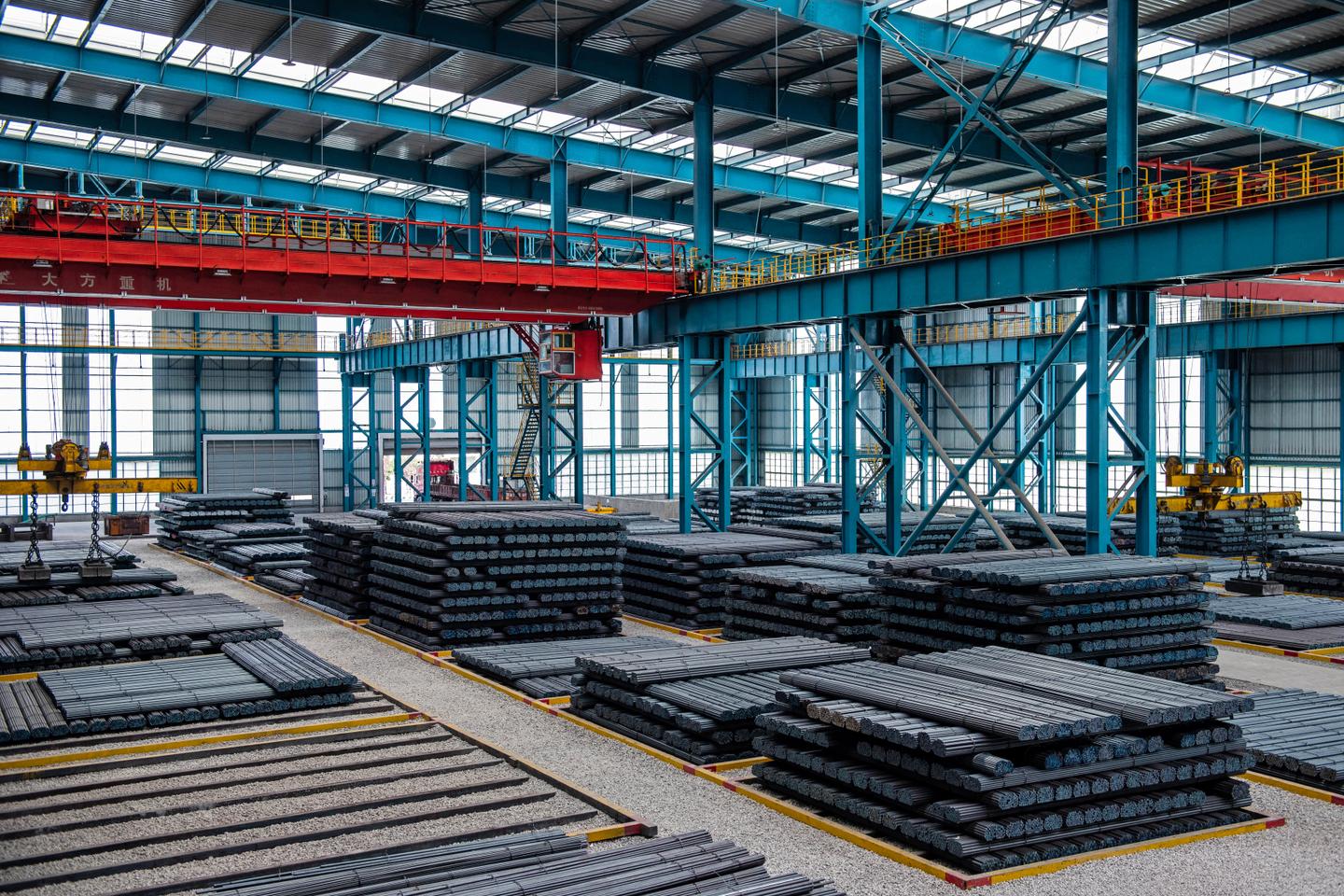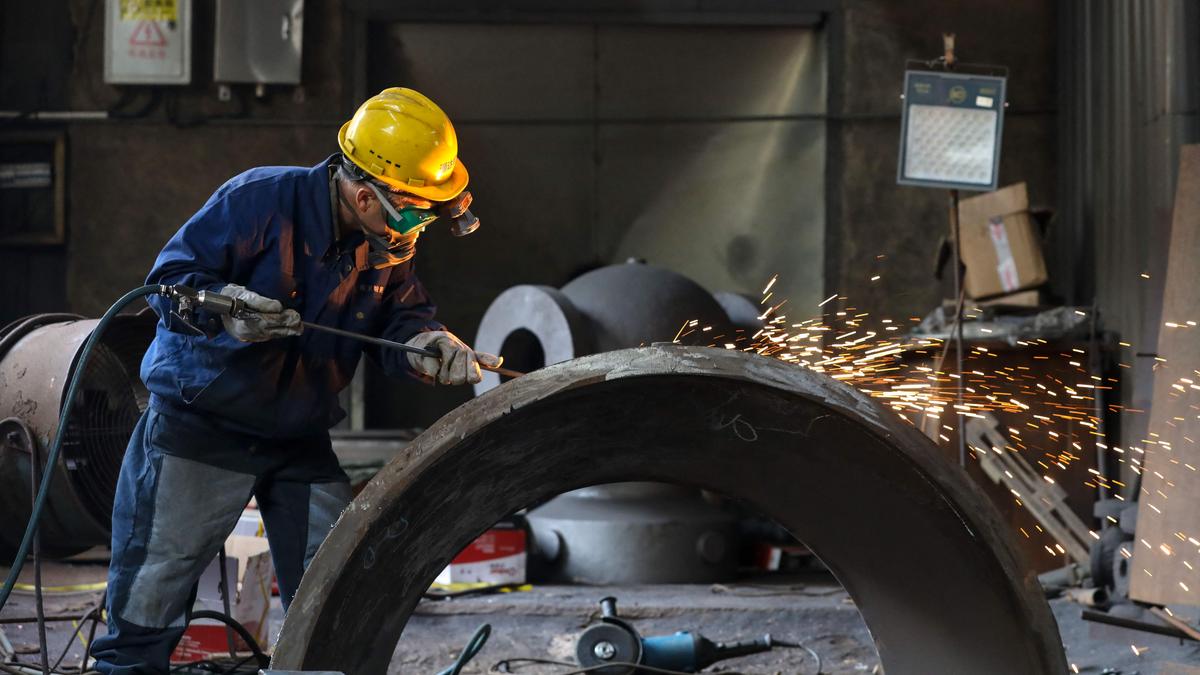
Indian exporters of iron and steel to the European Union may have to pay about €301 million (approximately ₹3,000 crore) in Carbon Border Adjustment Mechanism (CBAM) fees - the highest among all countries exporting similar products to the EU, an analysis by European non-profit think-tank Sandberg has found.
CBAM is a levy that European importers must pay if they buy products from countries whose production emits more carbon dioxide per tonne than equivalent goods manufactured within the EU.
An online calculator developed by Sandberg, made public on Thursday, estimates that Russia will face the next highest CBAM charges (€240 million), followed by Ukraine (€198 million) and China (€194 million).
The analysis further indicates that India’s total CBAM liability, covering exports of aluminium and cement in addition to iron and steel, stands at about €330 million, or roughly 1.05% of the value of all traded goods. However, the study also suggests that Indian exporters could earn higher revenues, estimated at €510 million, if they shift to cleaner technologies, resulting in a net cost reduction of around €180 million.
India has consistently opposed the CBAM, with industry bodies describing it as a “non-tariff barrier”. Commerce Minister Piyush Goyal said in July that if the EU implemented the CBAM, India would “retaliate with taxes of its own.”