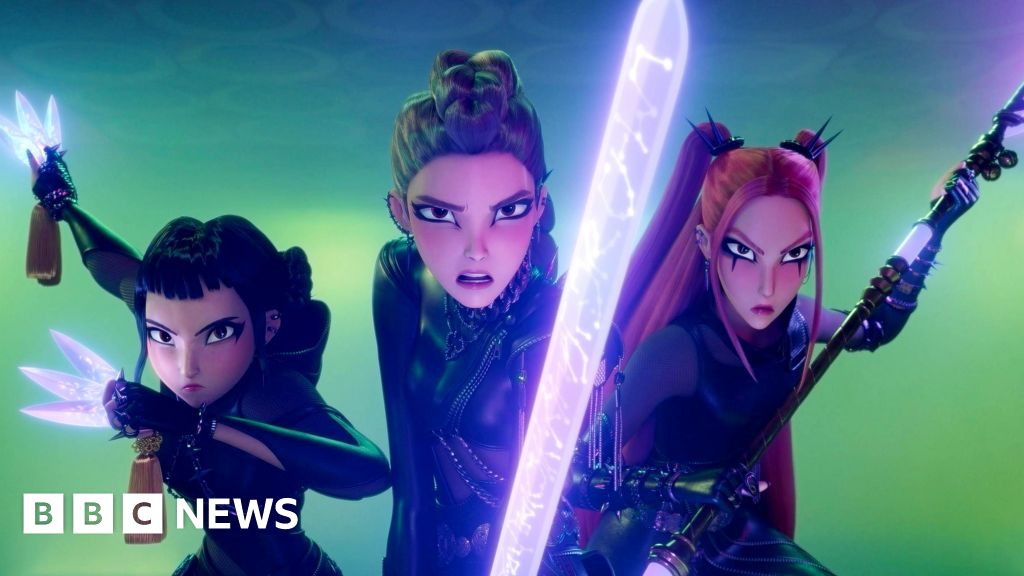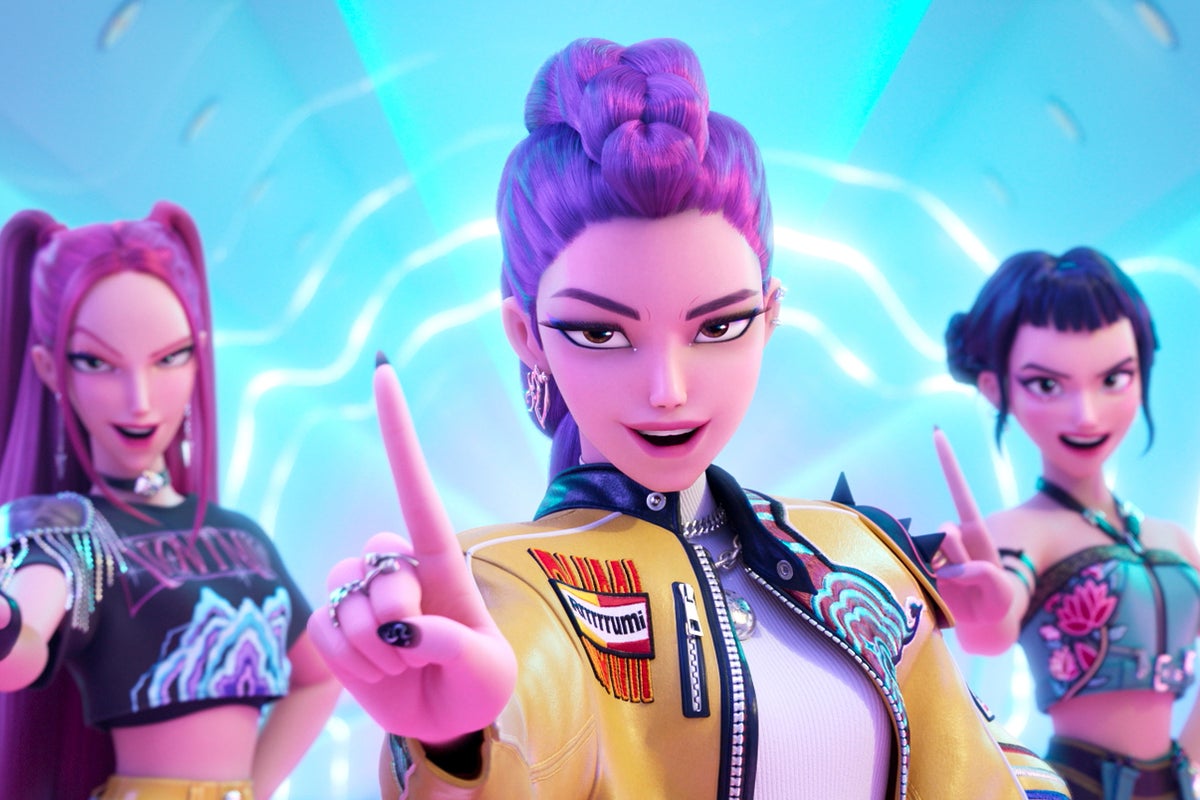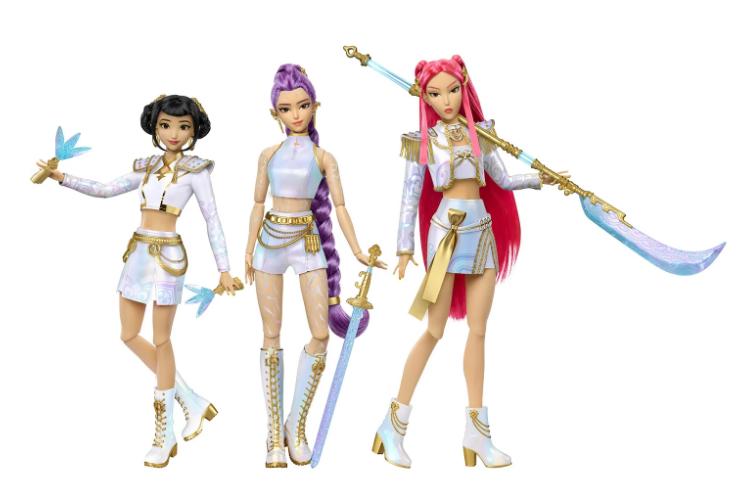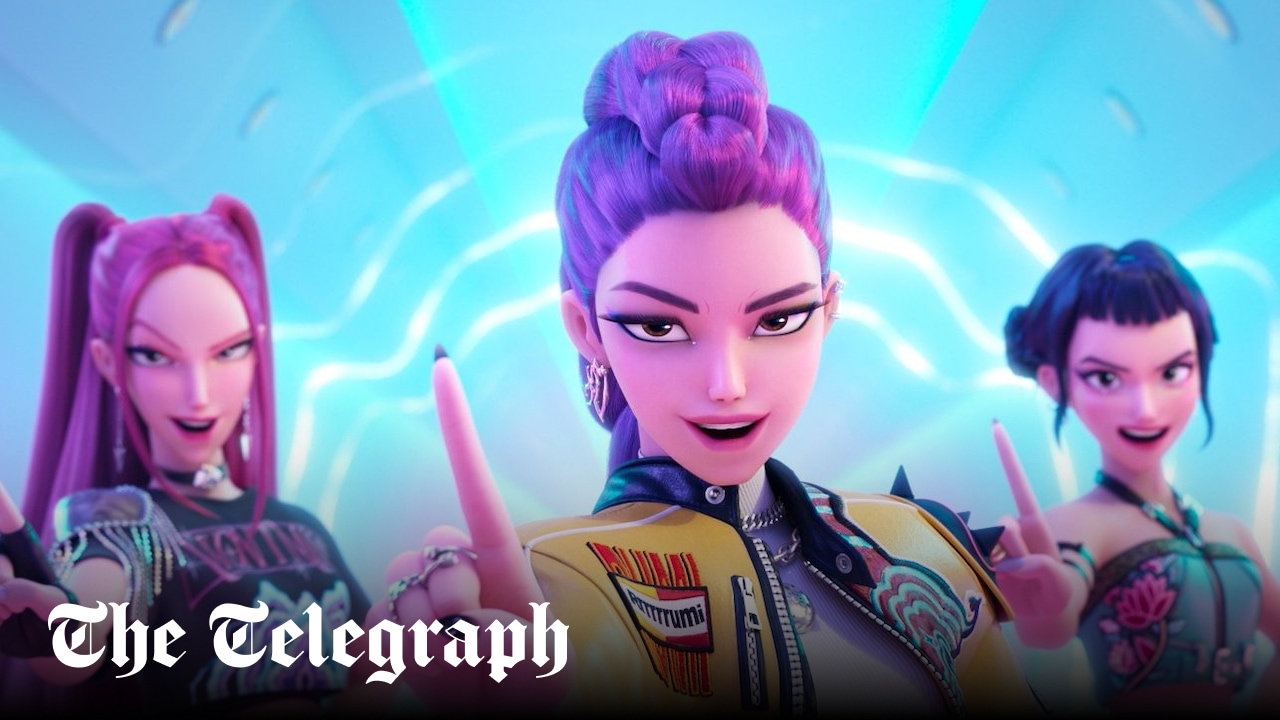
If your house is anything like mine, ”K-Pop Demon Hunter” rules your playlists. My 7-year-old daughter (who skips about 30% of the movie to avoid the scary bits) is an absolute devotee. She proudly shared that she had created a K-Pop Demon Hunter club after school, where she and fellow devotees lip-sync the catchy lyrics to “Takedown” or “Golden” and act out various scenes under the clear skies of the elementary school playground.
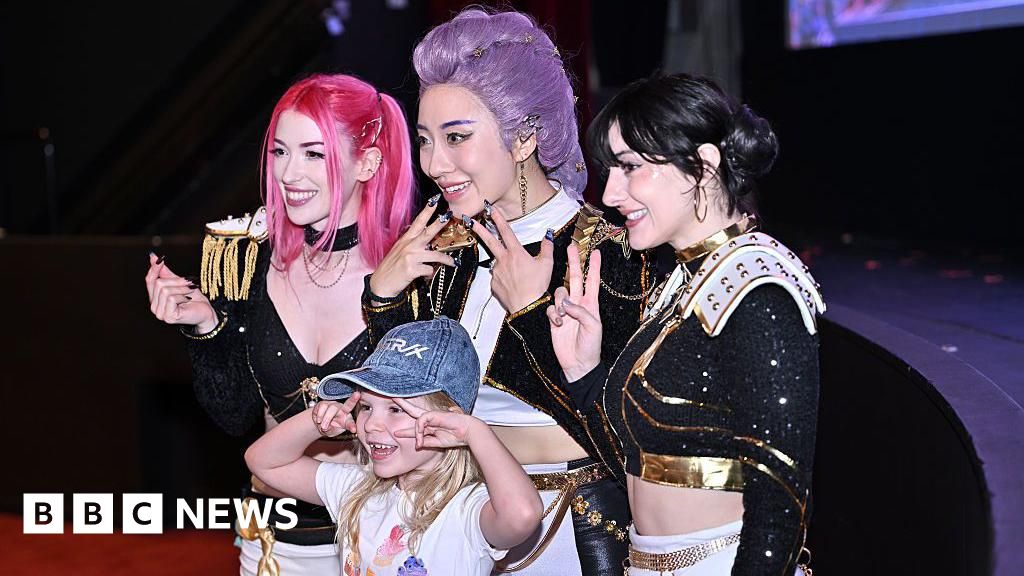
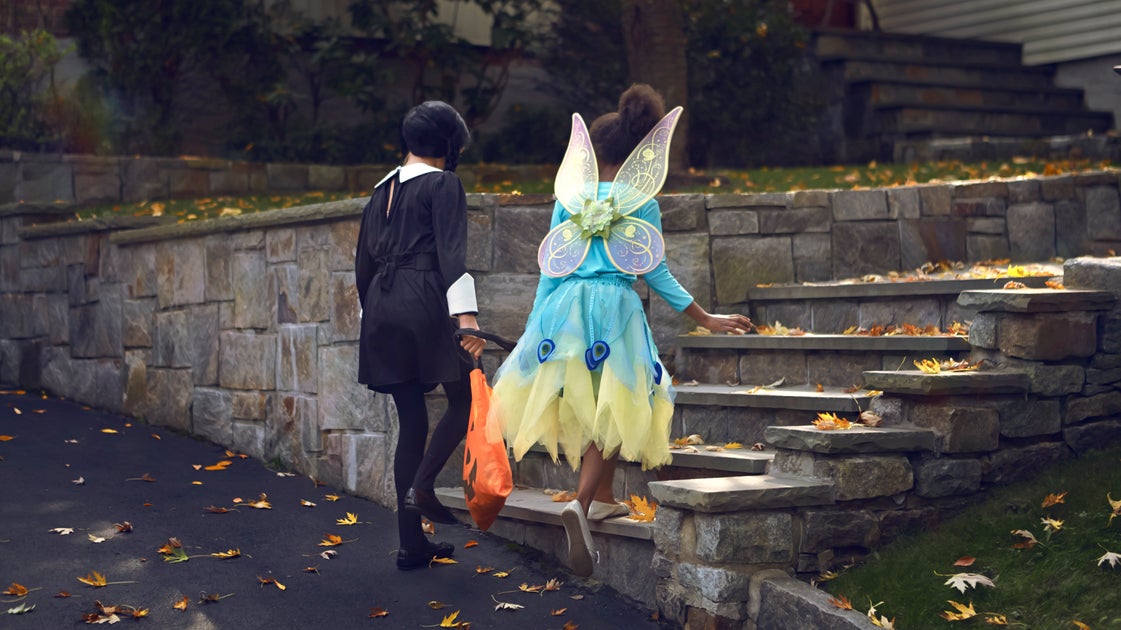
We’re sure to see scores of children dressed as Rumi, the movie’s central character, for Halloween. But my daughter won’t be one of them. A few nights ago, she tearfully told me, “I can’t be Rumi because I don’t have light skin. I have brown skin. Some girls with light skin told me that.”
Silence.
I drew in a sharp breath. I felt dizzy. My heart was in the lowest pit of my stomach.
And I realized, with equal parts sadness and fury, that it is silence — the silence of white parents on topics of race, racism, and bias — that perpetuates the conditions that made that moment on the playground possible.