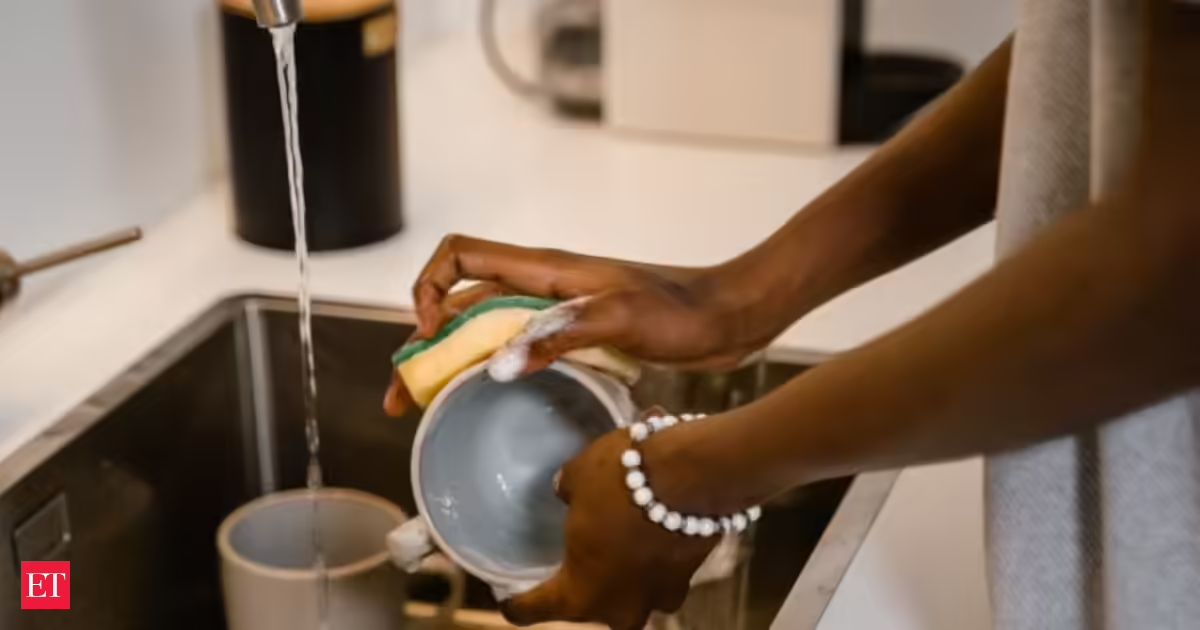
Los Angeles-based comedian and actor Becca Bastos knows what kind of sink person she is.“My apartment’s really spotless,” she said. But with the sink, “I make my own rules.” “I’m letting my dishes soak. If I made a scrambled egg, that’s two to three days of [soaking] because it’s really stuck on there, and, obviously, the soap is really helping lift the edges,” Bastos continued. “I feel really good when I see it soaking. I kind of feel like I’m being productive.“Bastos has empathy for her dishes though. She made a humorous, popular TikTok about what her pots and pans must think of her behavior: “I was just looking at my dishes, like, ‘Oh my God. Like, that would really suck to be them,’” she said. Call it “lazy,” as Bastos sometimes thinks of her dish-soaking behavior, or call it genius, Bastos is comfortable being a “set it and forget it” sink person in a world with people who need empty sinks at all times to feel at peace. Which one are you? It’s likely you already know if seeing a pile of dishes caked with last night’s spaghetti sauce will send you over the edge, but you might not know what else it can reveal about you. “Dishes in the sink is rarely about dishes in the sink,” said Justin Dodson, a therapist specializing in working with men and couples. “Although this concern seems like a basic task, couples are typically fighting about what the dishes in the sink represent.“There are deeper anxieties and desires underneath each sink personality type, and knowing what they are could spare you from relationship-ending arguments with the people you live with. Here’s why:Sink Person No. 1: The ‘Set It And Forget It’ Type Peter Dazeley via Getty ImagesThere are two kinds of sink people, and Becca Bastos thinks more people in the world are "set it and forget it" people.“For the person who doesn’t need the dishes cleaned right away, they often report that they want to relax first,” said Anita Chlipala, a marriage and family therapist. “They also have different priorities where they consider other things more important than getting chores done by a certain time.“Bastos said the “last thing on Earth” she wants to do after cooking a meal is to “put on dishwashing gloves and wash my pots and pans.” Instead, she would rather change clothes and shower off the garlic and onion smells, she said. Bastos also believes there might be a practical element to this sink personality type: “I know people who have to clear their sink right away, but they have dishwashers.”According to Chlipala, if you lean toward this sink personality, you might also be “clutterblind” where seeing lots of dishes in your sink doesn’t bother you or give you anxiety. Sink Person No. 2: The ‘I Need It Cleaned ASAP’ Type Klaus Vedfelt via Getty ImagesIf you need dishes cleaned right away, you likely see unwashed dishes as clutter. For someone who needs their dishes cleaned right away, what they’re really saying is, “I want to relax, I feel at peace when my home is clean. Having a sense of order is important to me,” Chlipala said. This personality type might see too many dishes in a sink as “clutter everywhere,” she added. This habit also could be a behavior they learned from their parents. “There could also be family traditions or childhood memories at play, where a person fondly remembers the dishes being cleaned after a meal and then it was ‘family time’ for the rest of the night, where nothing pressing needed to get done,” Chlipala added. If you really want to understand this personality type, you need to get curious and understand what they think will happen if a dish gets left in the sink. “That will give you more information to determine if this is [an] obsessive compulsive disorder, preference, people-pleasing, taught from childhood,” Dodson said. “How does their body respond to seeing dishes in the sink, and what’s the narrative that they are telling themselves about it?” is a question you can ask, Dodson suggested. Whatever Sink Person You Are, Learn To Compromise And Don’t Hold ContemptDebates about dish-soaking preferences can be relatable and funny, but the stakes can be high, too. What those pile of dishes represent is sometimes why marriages end. In a viral essay, “She Divorced Me Because I Left Dishes By The Sink,” writer Matthew Fray shared how he learned too late what his dirty dishes were doing to his partner.“Every time she’d walk into the kitchen and find a drinking glass by the sink, she moved incrementally closer to moving out and ending our marriage. I just didn’t know it yet,” he recalled in his essay, saying his actions signaled: “Not taking four seconds to put my glass in the dishwasher is more important to me than you are.”It’s a cautionary tale of what can happen if you ignore your partner’s desires for too long. It’s also a lesson that your utensils in a sink may seem innocent to you but could be causing the people you live with deep stress.Chlipala said, “Clutterblind people have to really empathize and understand what the impact of their inaction has on their partner.“There are helpful solutions, though. Chlipala recalled how one couple with two different sink personalities reached a compromise for their marriage. “The wife always made breakfast in the morning, and so dishes in the sink were a nuisance to her when she was making breakfast,” she said. “They compromised that the husband would finish the dishes by breakfast time.”Whatever your secret sink preference is, be careful not to make value judgments and see one sink type as superior. “Making it a hygiene issue is separate and usually used to attack and shame their partner versus it actually being a health or hygiene issue,” Dodson said.Or you can sidestep this debate altogether by making your own rules: “The beauty of living alone,” Bastos said. “It would be so nice if I also lived with a dish-soaker as well,” Bastos said. But if one day she doesn’t, “I would be a good roommate ... and I would actually be better with washing my pots and pans right away.”
Are You A ‘Leave It In The Sink’ Or 'Clean Right Away' Person? Here’s What It Says About You
"Dishes in the sink is rarely about dishes in the sink," one therapist said.
1,039 words~5 min read