Dispelling confusion about the collapsed case would build confidence that the government has a coherent policy
N
o single word describes the challenge that China poses for UK foreign policy. There is threat and opportunity; a requirement to engage and an imperative to be guarded. The Communist party in Beijing represses dissent and pursues its interests overseas with coercive nationalist determination. It is not a regime with which Britain can build a relationship based on common values.
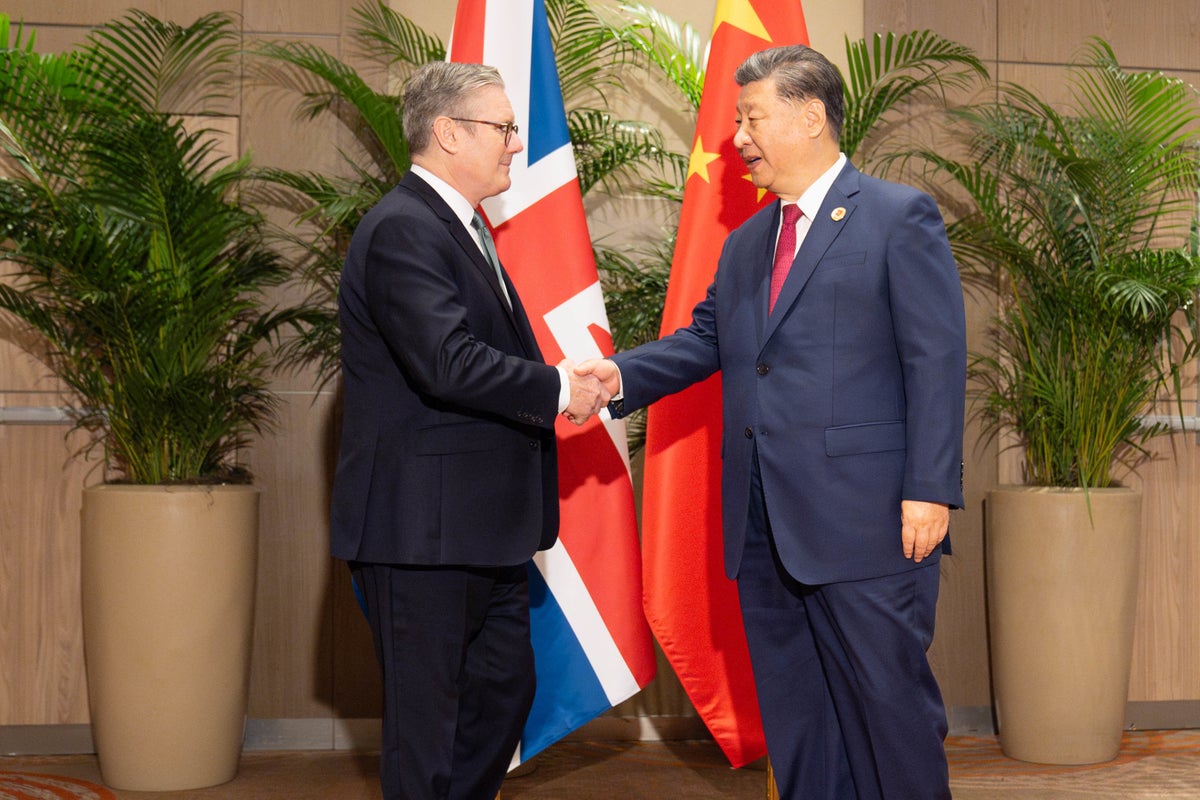
But China is also a superpower with near-monopoly control of some mineral resources and pre-eminence in important manufacturing supply chains. Trusting friendship is not an option; hostile rejection is unrealistic. It is not easy to manage relations through private diplomacy, let alone under public scrutiny. But Sir Keir Starmer’s government has looked especially awkward in its response to the collapse of a high-profile espionage case, involving the alleged transmission of secrets from inside parliament to Chinese officials.
The Crown Prosecution Service dropped the case against two men, a parliamentary researcher and a teacher working in China. Both deny wrongdoing. The CPS says a conviction could not be secured if China was not named in government witness statements as a threat to national security – ostensibly a requirement of the Official Secrets Act.