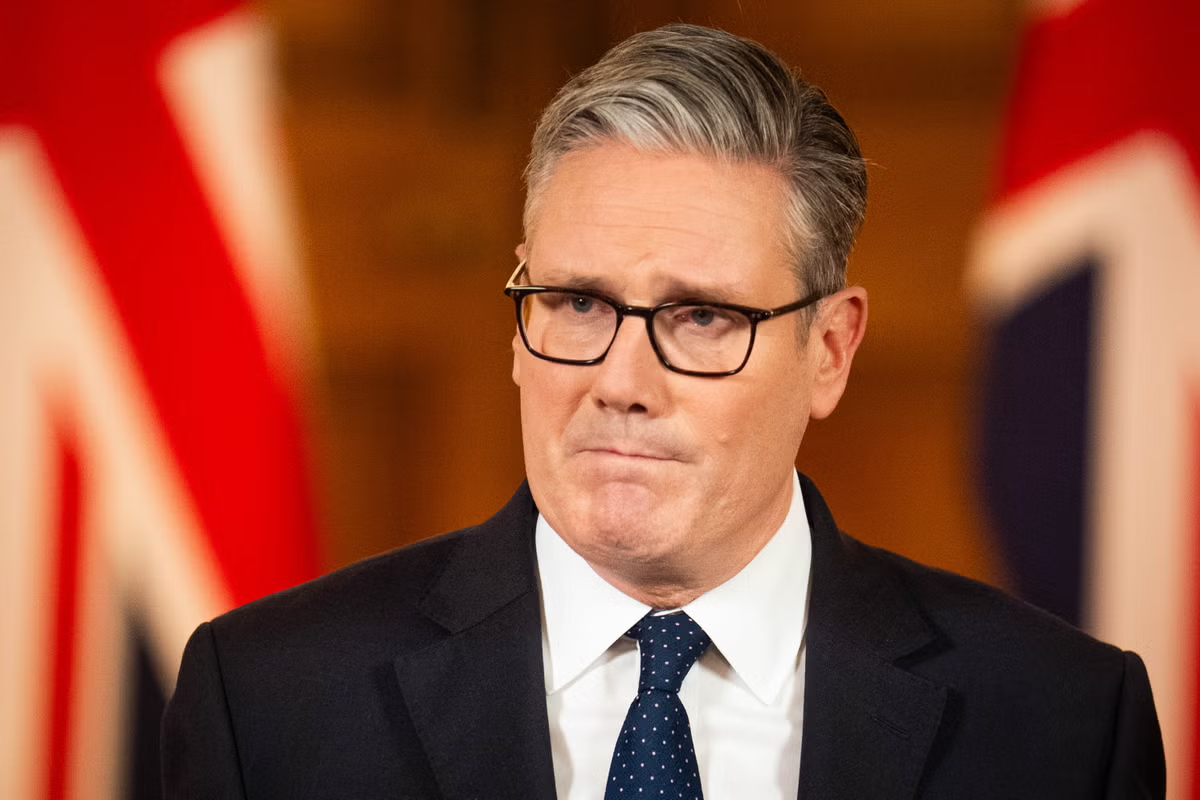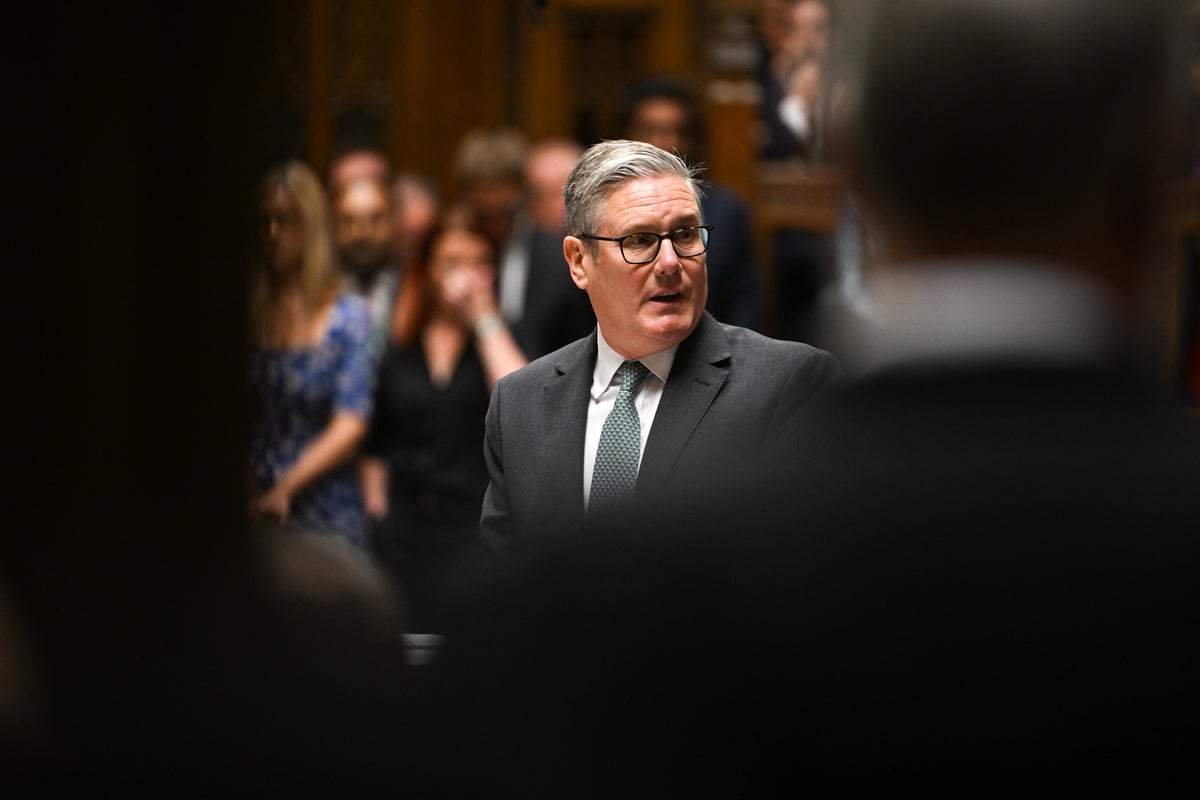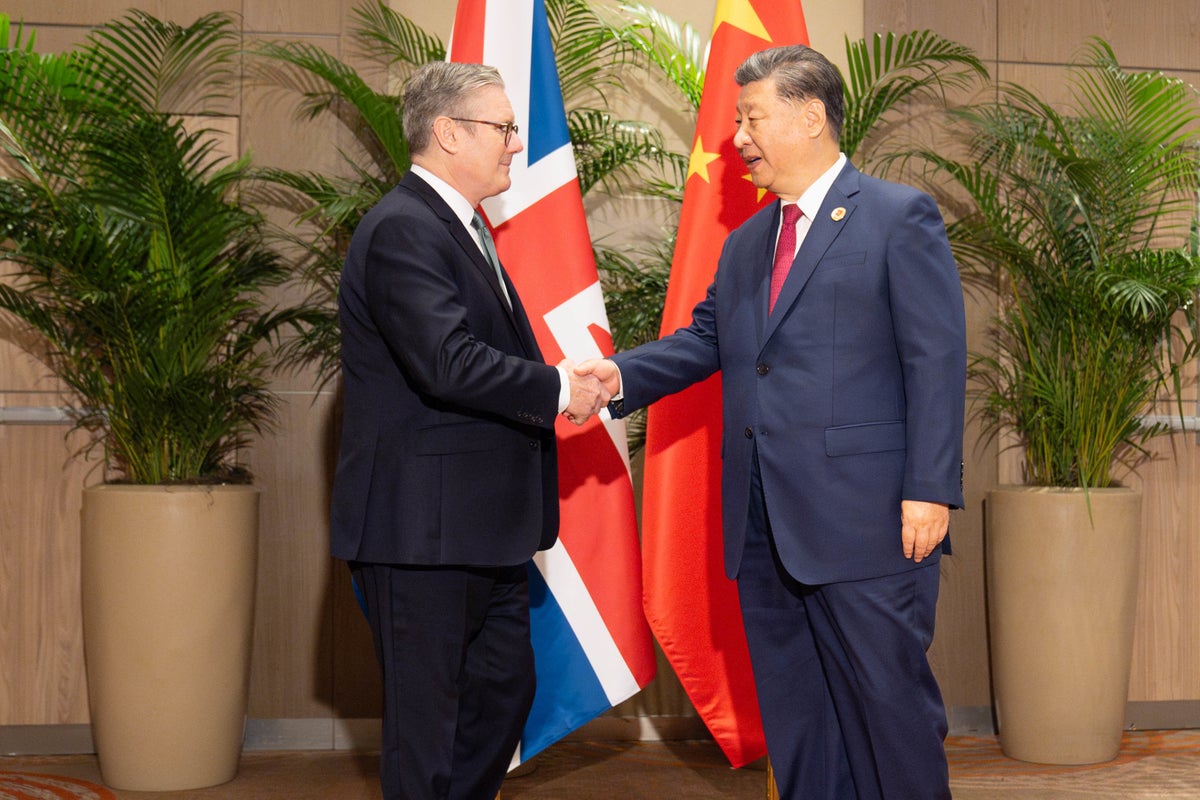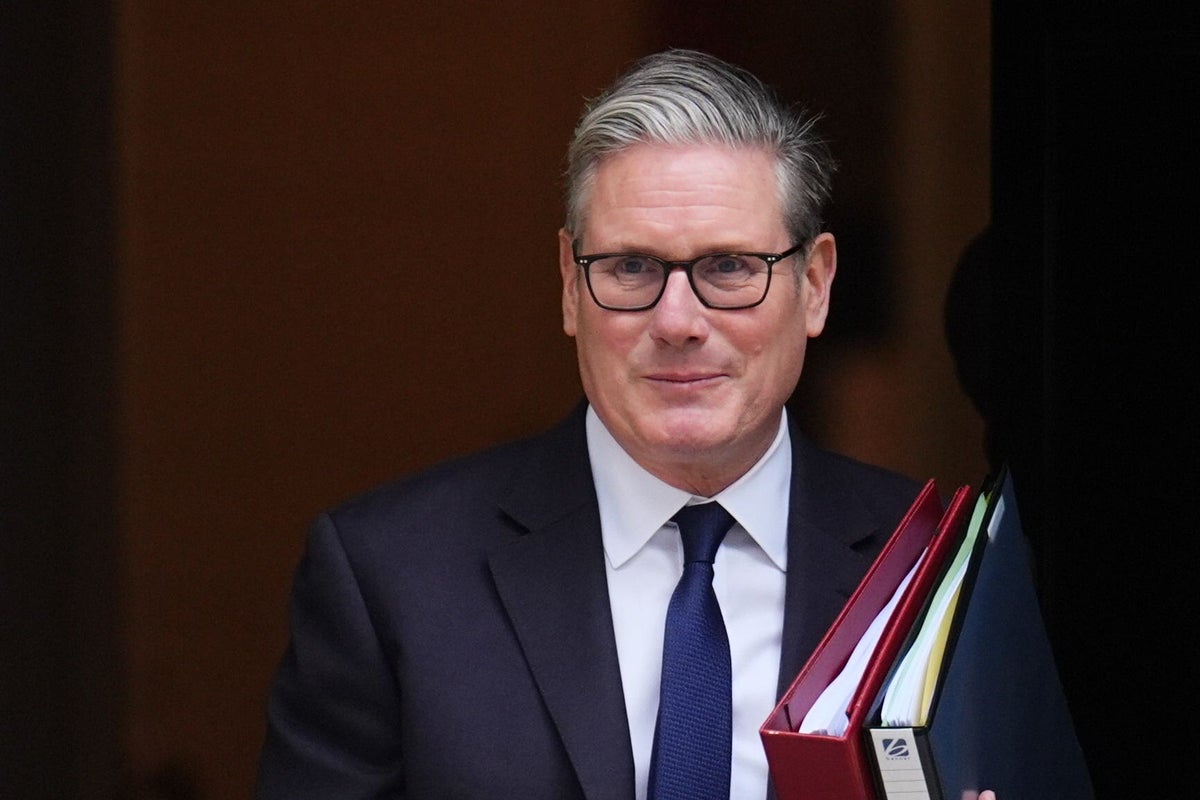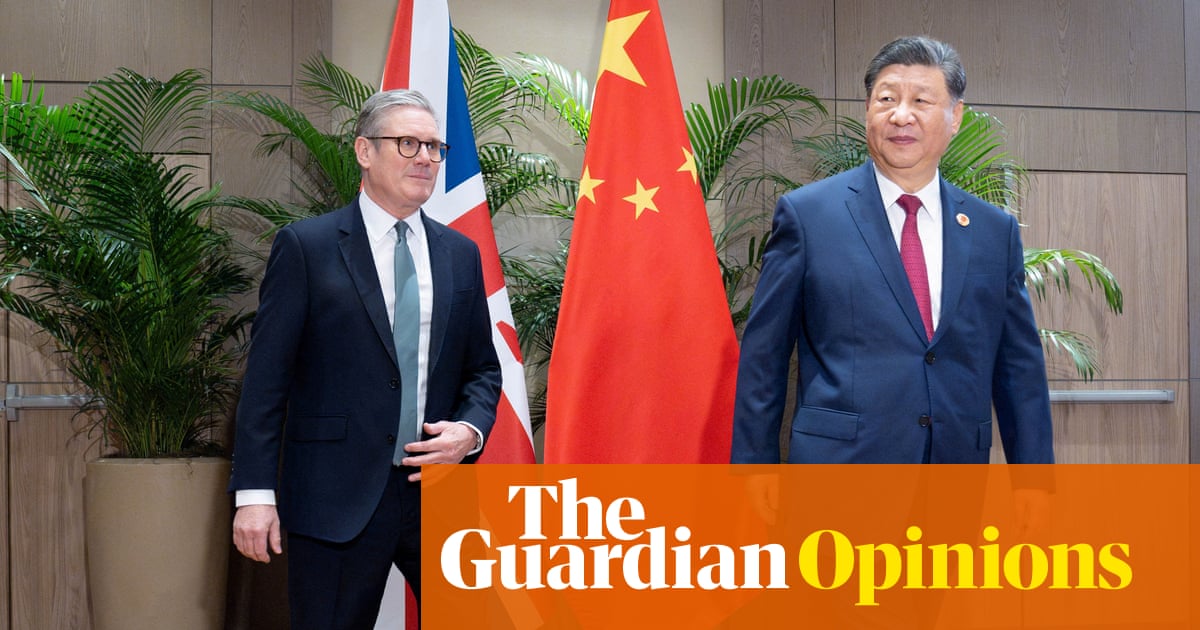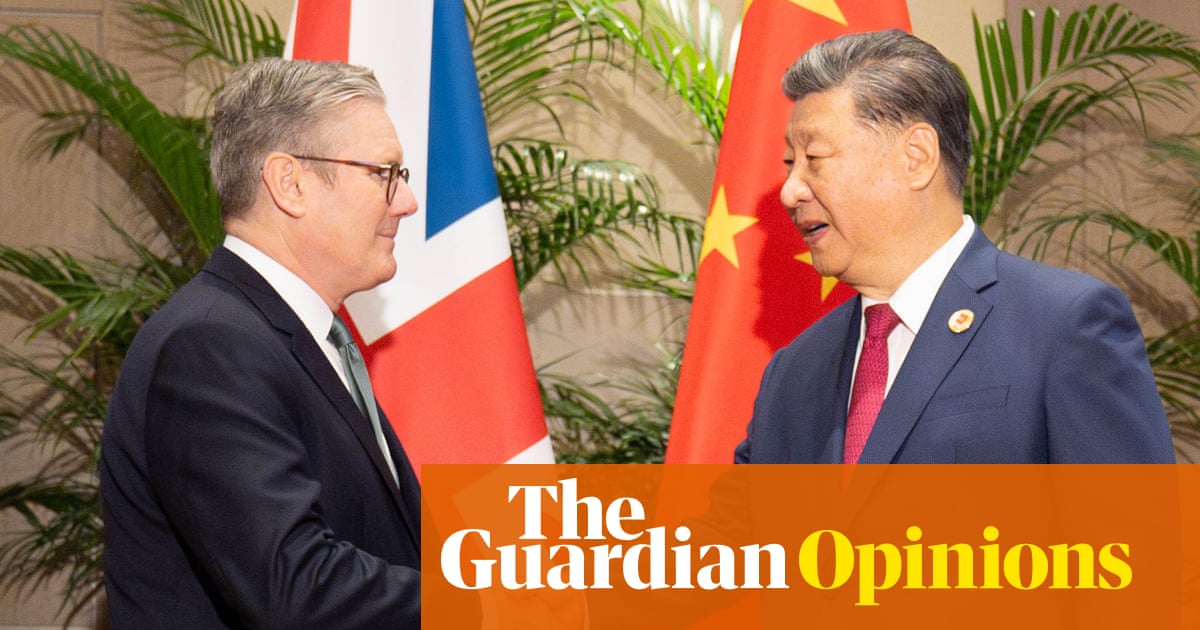
It’s Keir Starmer’s turn to muddle through a problem that none of his predecessors solved: can his cash-poor nation afford to offend a superpower?
It has all the makings of a gripping spy novel.
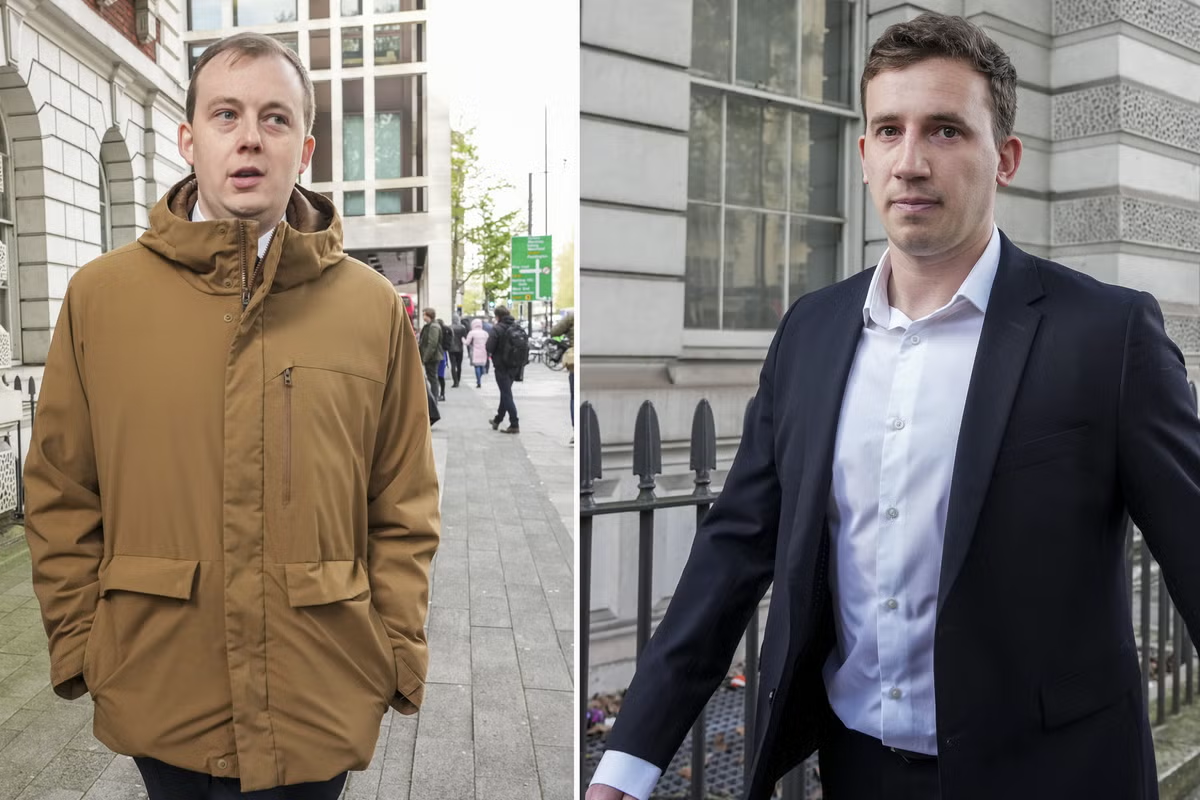
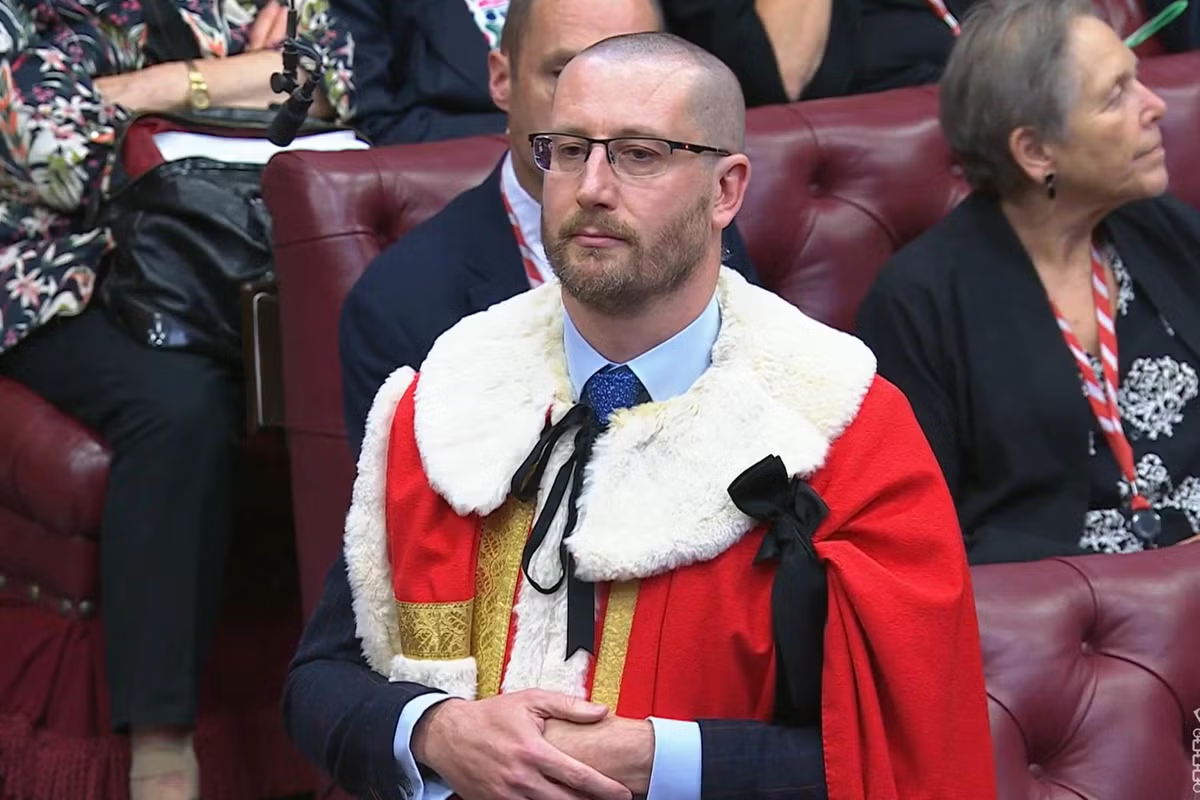
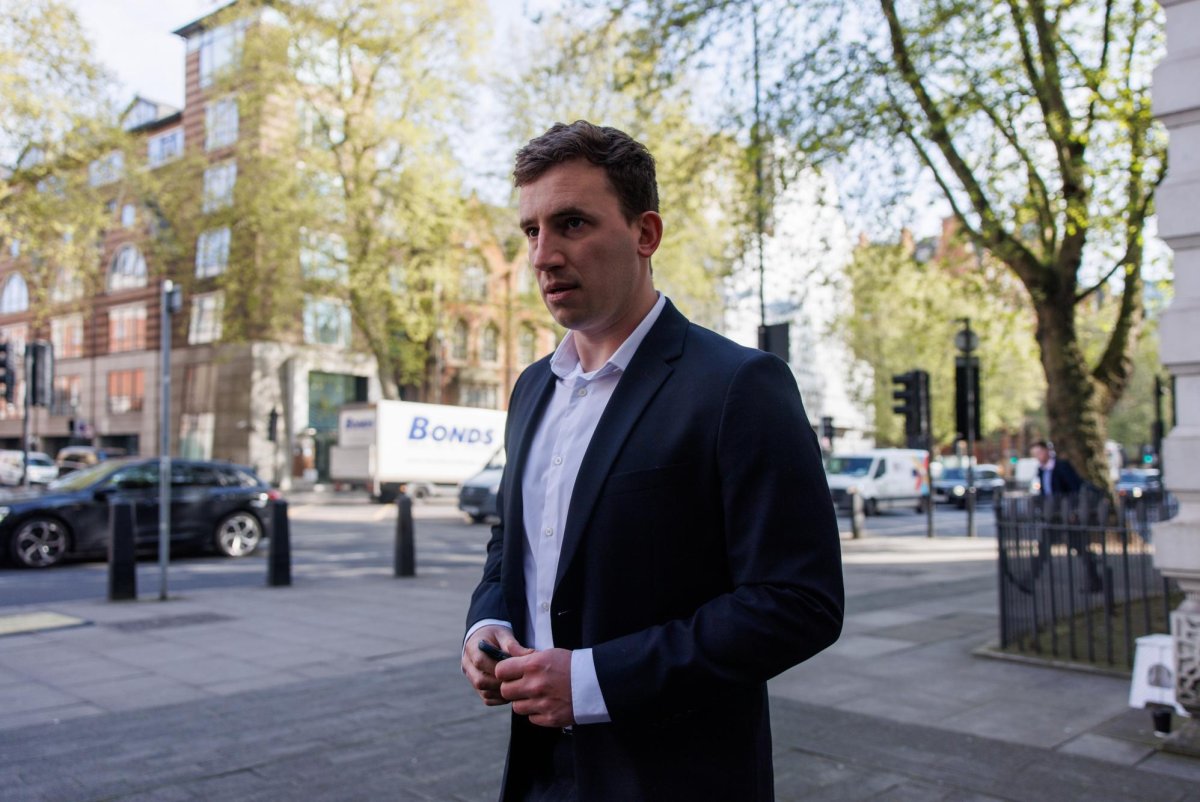
Two young men accused of passing secrets to China, who vigorously protest their innocence, are swept up in a swirling political intrigue with a shadowy semi-mythical figure (in the shape of veteran Downing Street national security adviser Jonathan Powell) at its heart. Yet the story dominating domestic headlines as MPs returned from recess this week is not fiction, or at least not entirely.
Why was the prosecution of Christopher Cash, a researcher for parliament’s China Research Group, and his teacher friend, Christopher Berry, dropped so close to going to trial? The speaker of the Commons, Lindsay Hoyle, took the unusual step on Monday of expressing both his anger at the decision, and his fear that parliament was not being properly protected from foreign interference. For days the current government and the last one have been blaming each other for failing to designate China a threat to national security, without which step, the director of public prosecutions has said, the trial could not go ahead, and it’s likely the Official Secrets Act will now be overhauled. But underneath it lies the much more awkward question of how far small countries desperate for inward investment dare risk offending a rich superpower, even when it is sometimes working actively to subvert them.