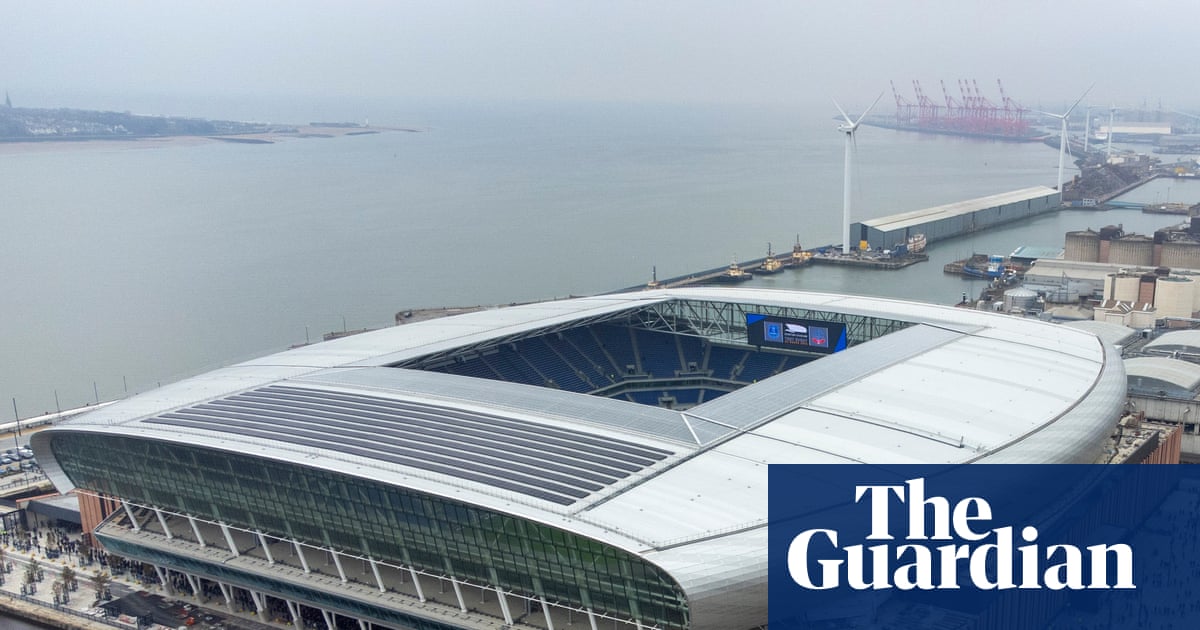
A new exhibition in Liverpool tells the story of the grassy arenas, from churning tribal terraces to hyper-modern, wedding-cake-like structures with retractable pitches. And let’s hear it for the world’s first all-timber stadium!
B
ill Shankly, a man so beloved by Liverpool that there is now a hotel in the city named after him, once famously observed: “Some people believe football is a matter of life and death. I am very disappointed with that attitude. I can assure you it is much, much more important than that.”
Inevitably, Shankly pops up in Home Ground, a punchy new exhibition on the architecture and social culture of football stadiums. The legendary manager is pictured savouring the acclaim of an adoring crowd, part of a tableau on the farewell to the Kop prior to its metamorphosis from churning tribal terrace into a more sedate, all-seater stand.
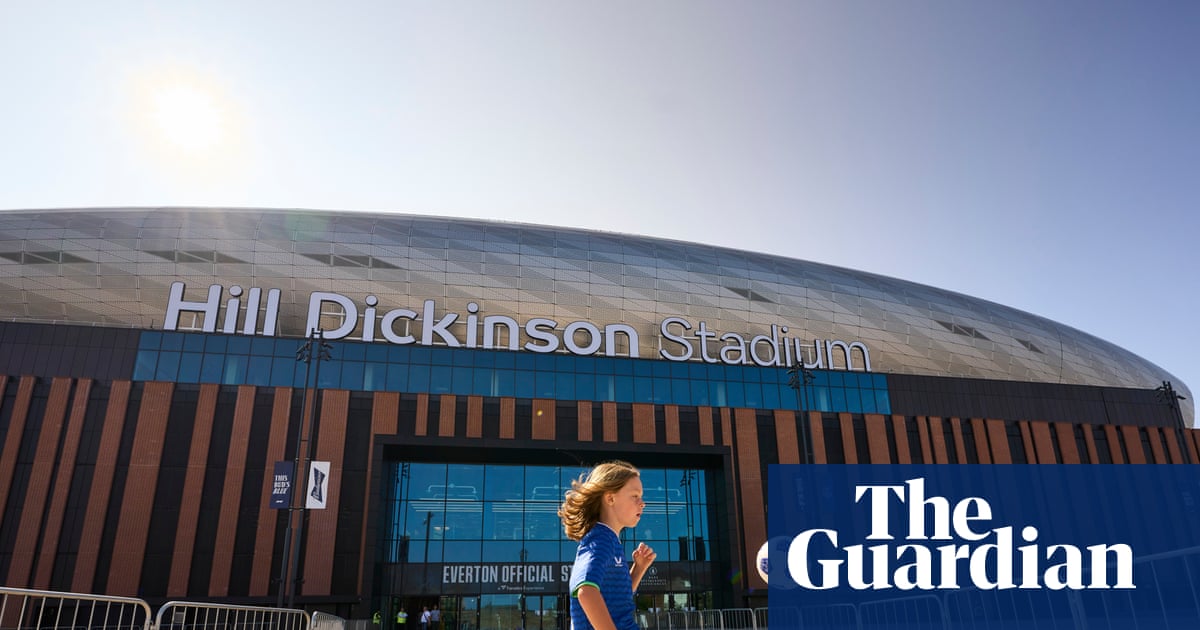
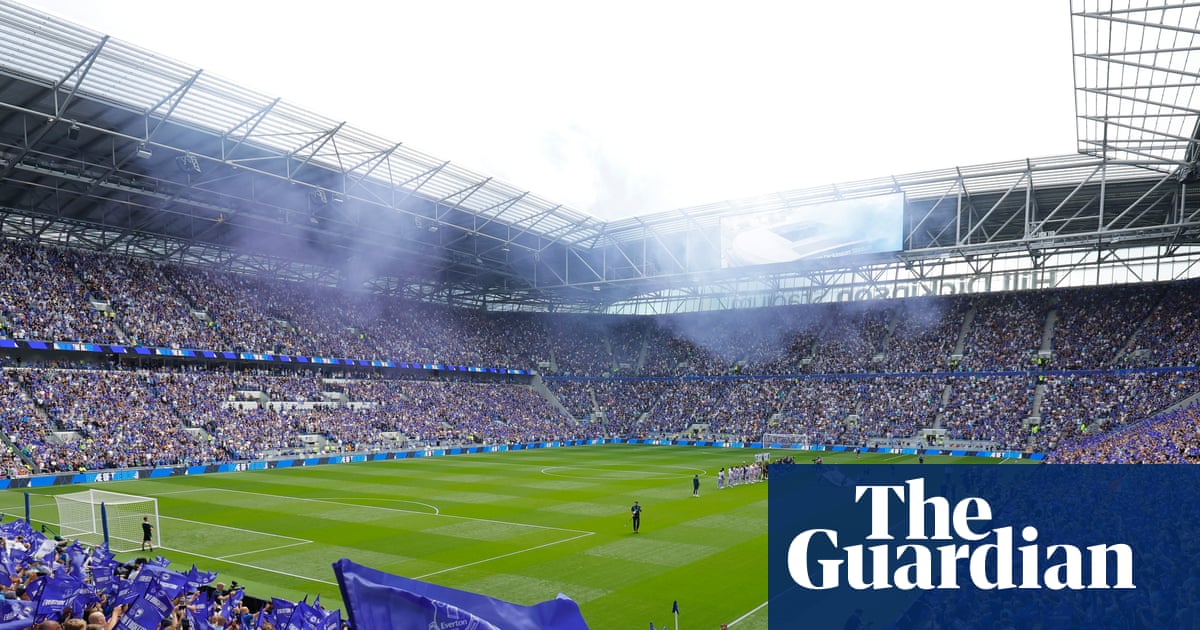
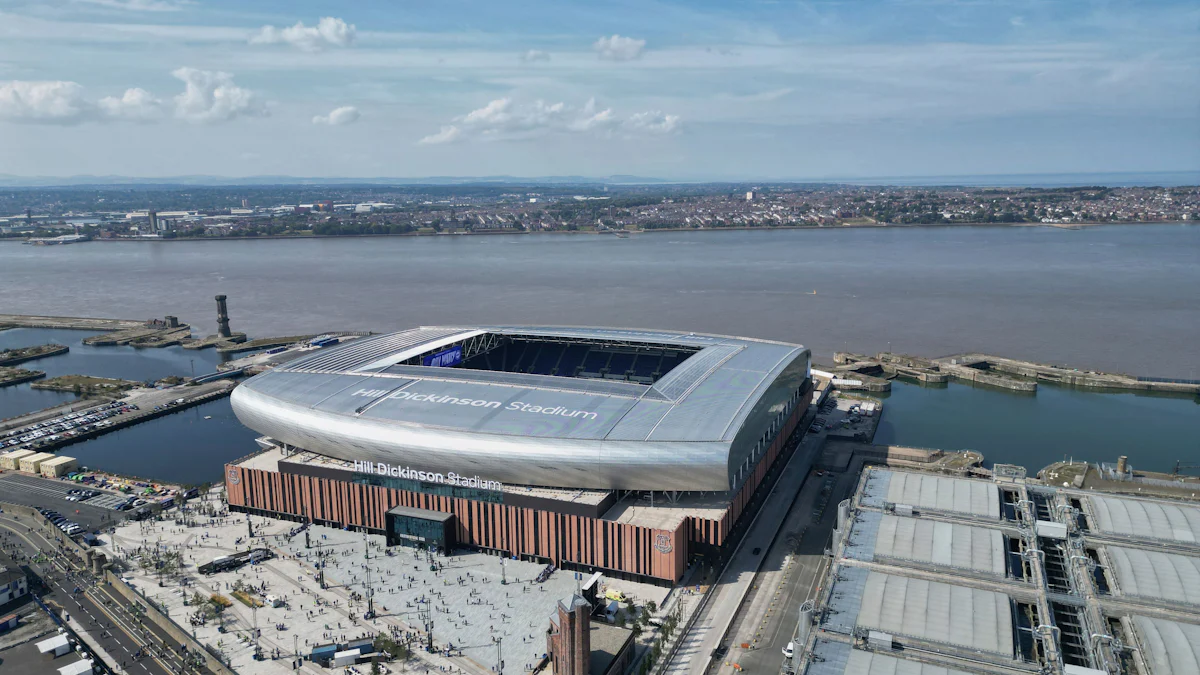
Marinaded in the romance and obsessiveness of the beautiful game, Liverpool is a serendipitous setting for a dive into the history and destiny of football grounds. Everton have just migrated to a super sleek new home, the 52,000 capacity Hill Dickinson Stadium on the Mersey waterfront, neatly encapsulating the distance football and its venues have travelled from rain-lashed terraces, flat caps and leaden balls, to a high-end, multi-sensory experience, with those who can afford it cosseted in private boxes and plied with fine dining, not unlike a visit to the opera.