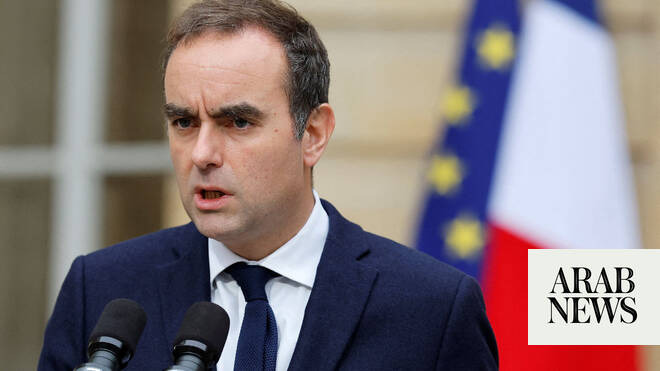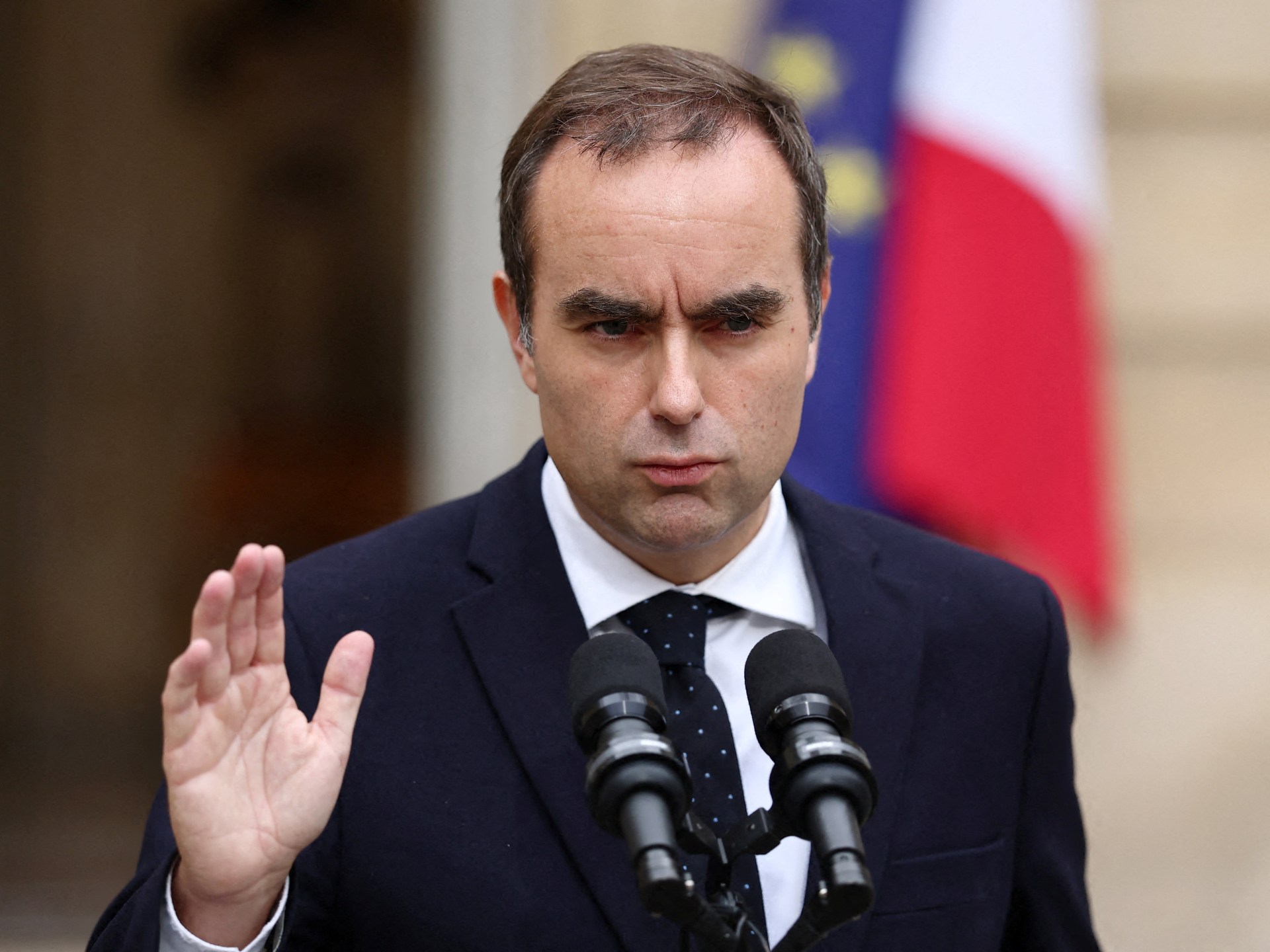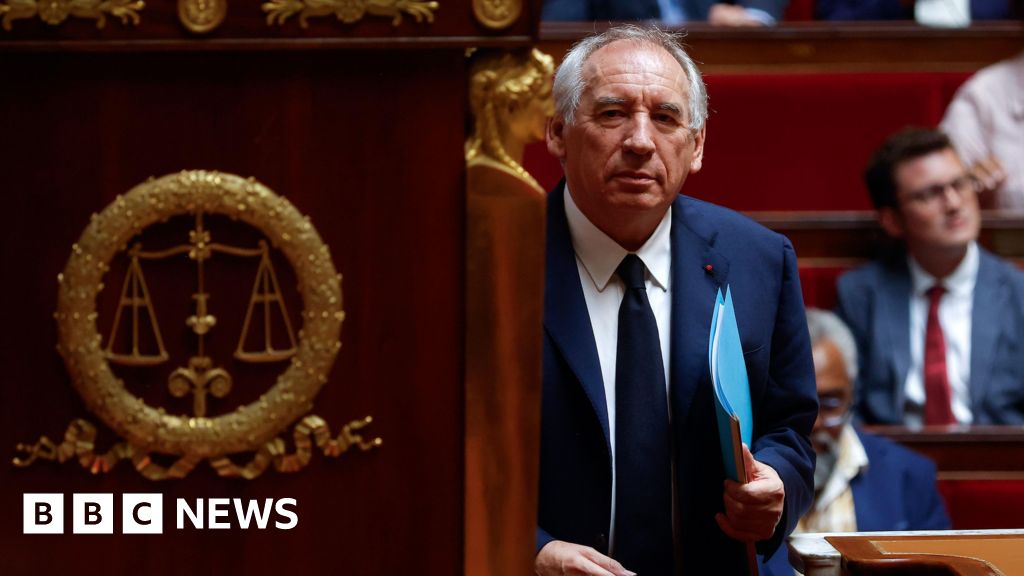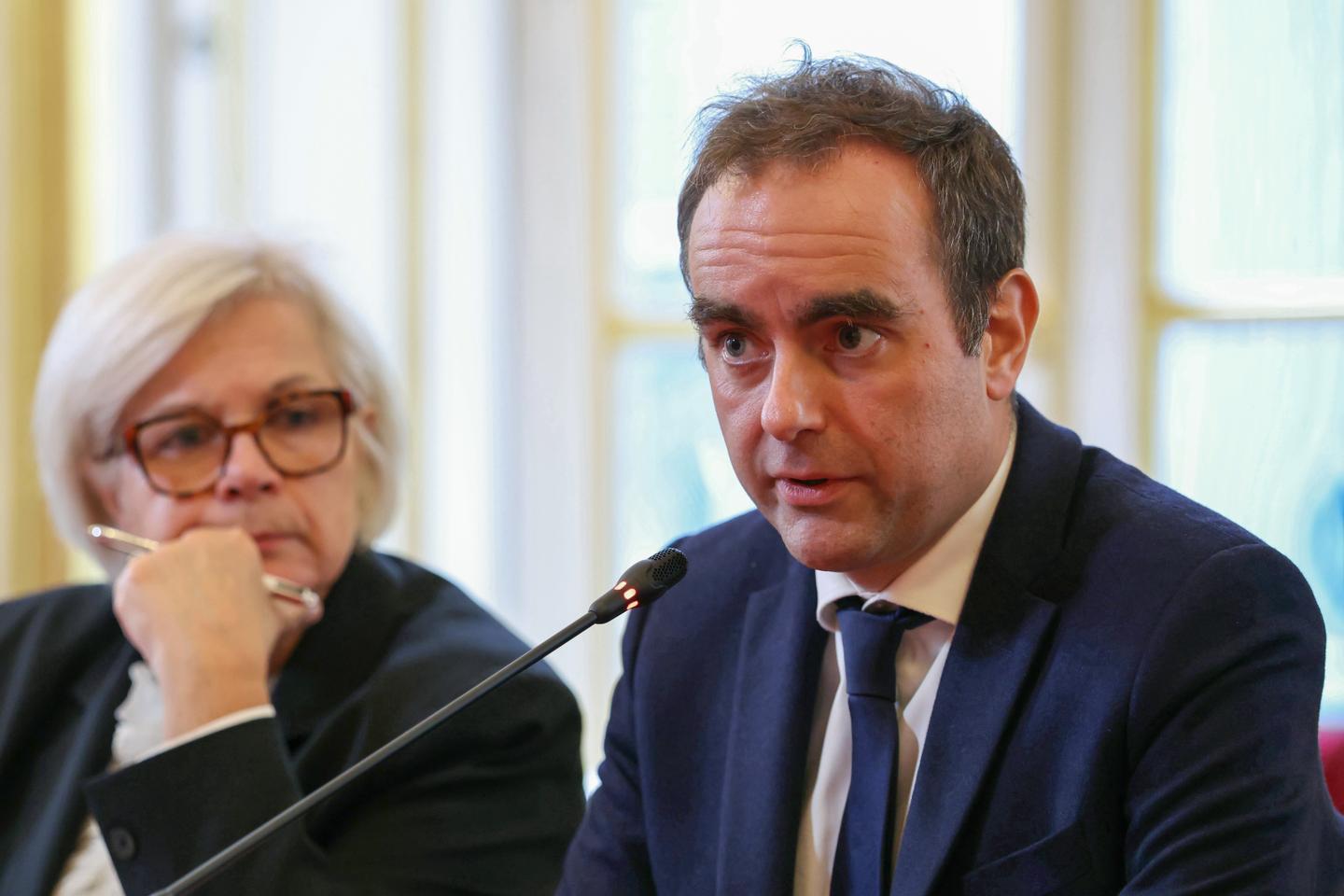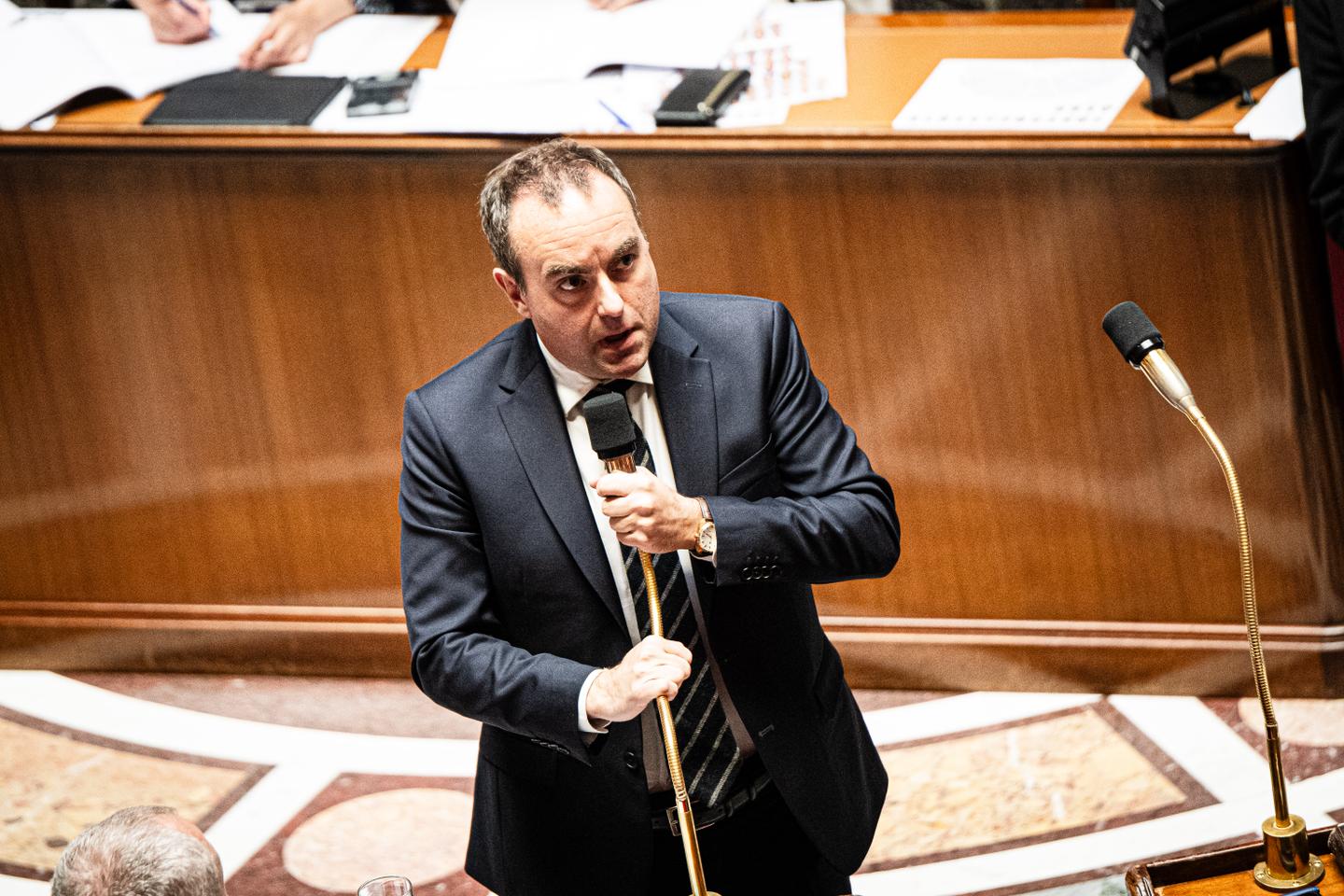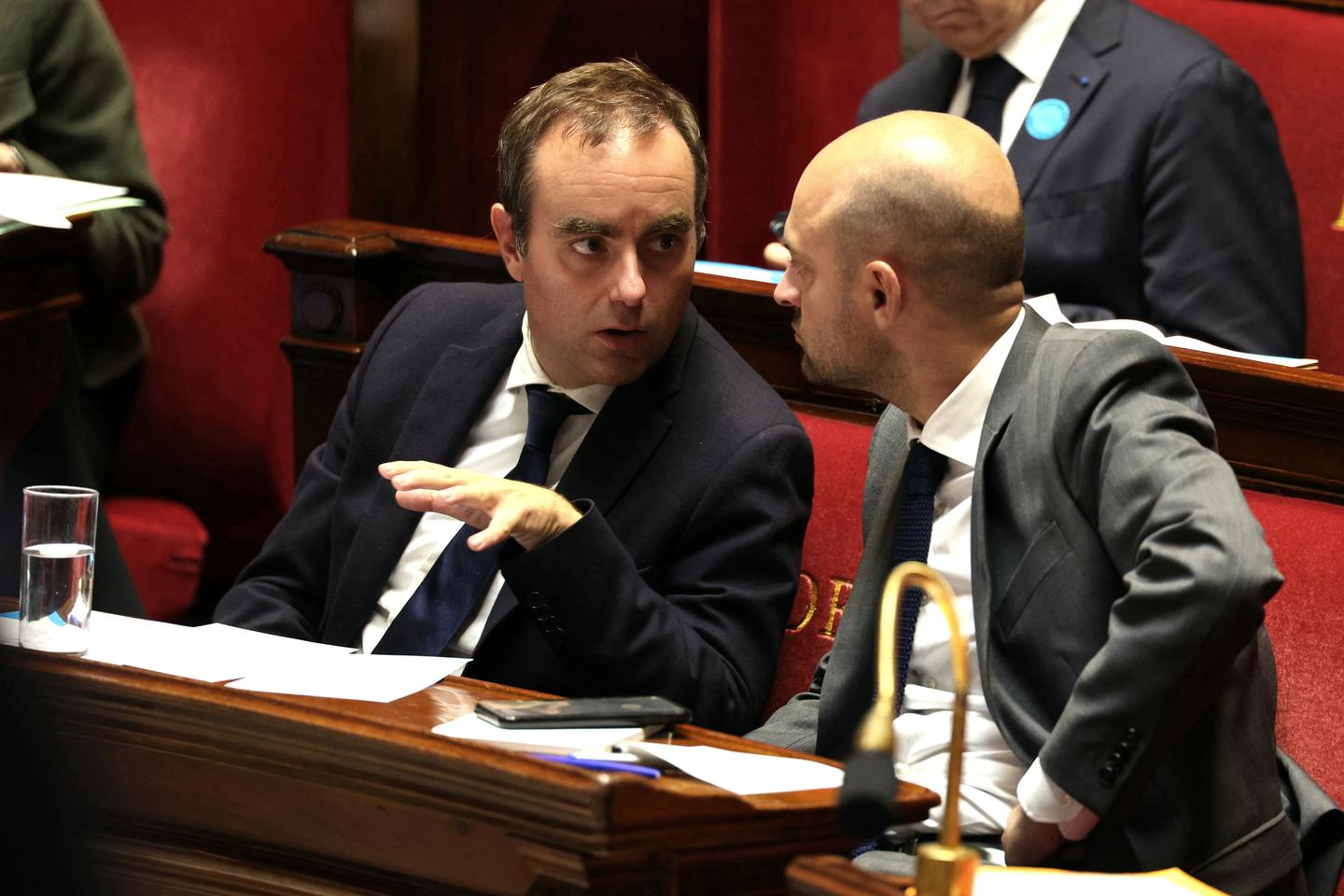
French Prime Minister Sebastien Lecornu (L) speaks with Foreign Affairs Minister Jean-Noël Barrot, after delivering his general policy statement to MPs at the Assemblée Nationale, in Paris, on October 14, 2025. THOMAS SAMSON / AFP
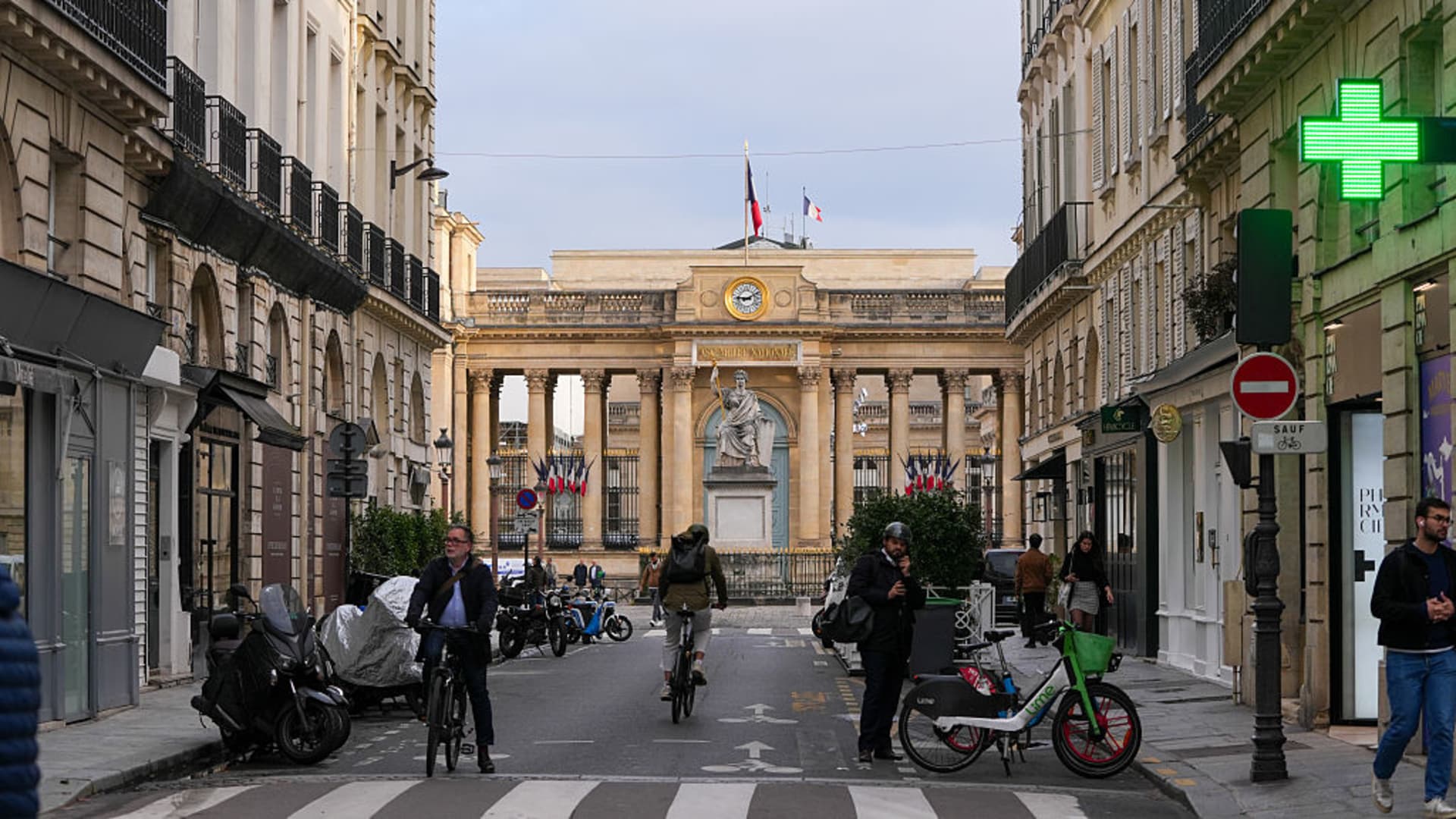
Endless government reshuffles, a deadlock in the Assemblée Nationale, alliances unraveling within and between political parties: France is experiencing a staggering political crisis, one which has left much of society both confused and fed up. Have you lost track of what's happening? Le Monde breaks down how the political situation got to where it is today.
What caused the current political instability?
To understand the current crisis, you have to go back to the June 2022 parliamentary elections. Just weeks after his relatively narrow victory over far-right candidate Marine Le Pen in the presidential election, Emmanuel Macron's party and its allies failed to win a majority of seats in the Assemblée Nationale.
As a result, his prime minister, Elisabeth Borne, had to govern with the support of only 43% of the Assemblée's members, forcing her to seek temporary alliances, on a case-by-case basis, to pass pieces of legislation. The situation also left her at the mercy of the opposition parties, which could have toppled her government if enough of them came together to support a no-confidence vote. The lack of a clear majority, while it is actually rather common in other European countries, has led to intense parliamentary deadlock in France, largely due to the country's lack of a culture of compromise.