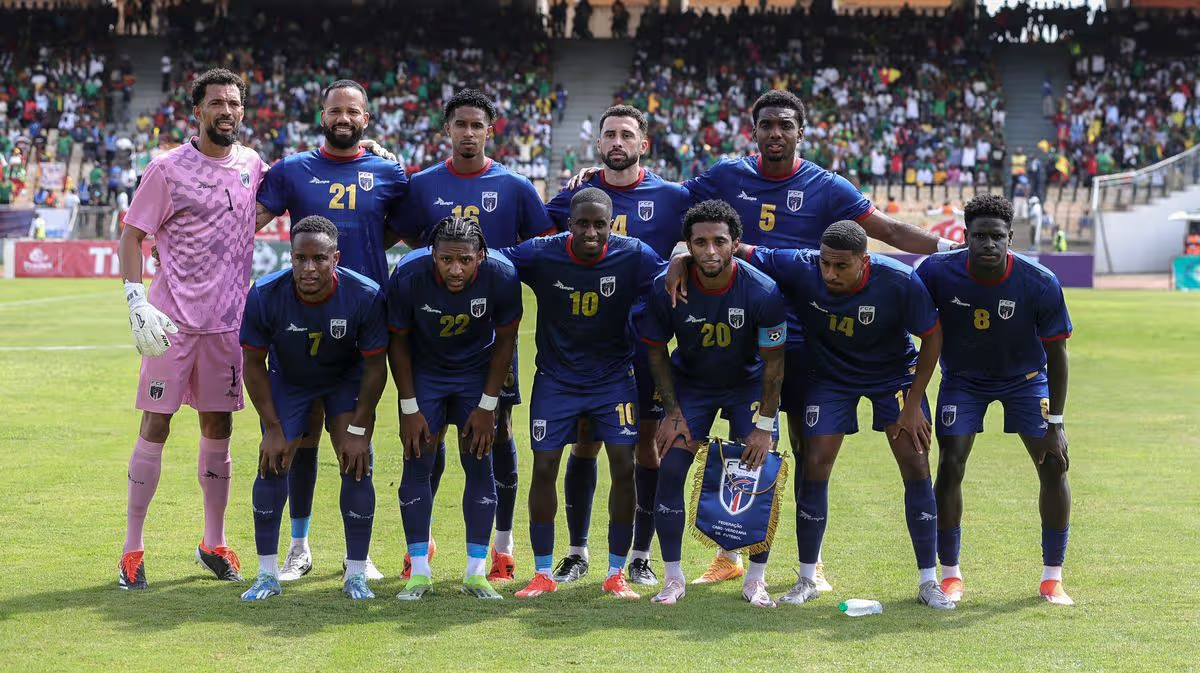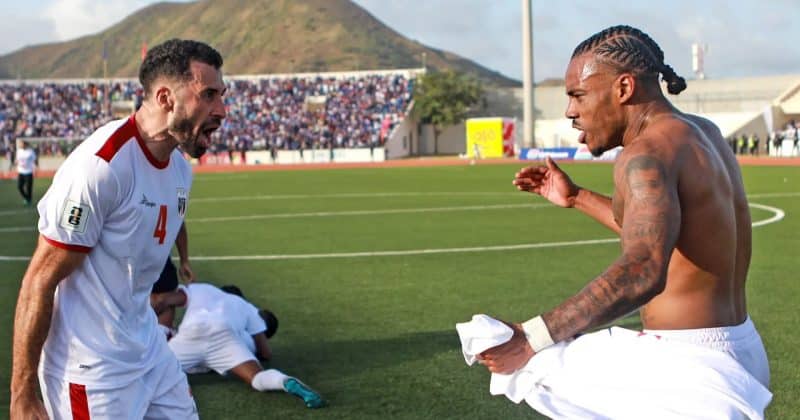
By blending diaspora players with homegrown talent the island nation of fewer than 600,000 people has qualified for 2026 tournament
O
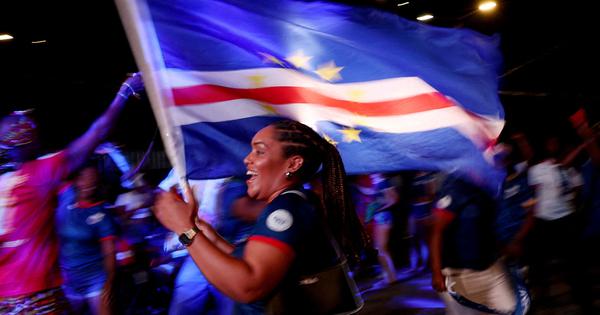
n 5 July 1975, the Cape Verdean flag was raised for the first time at Estádio da Várzea in the capital city of Praia, marking the nation’s declaration of independence from Portugal. At that moment, there was no national football team – and no sign of what was to come.
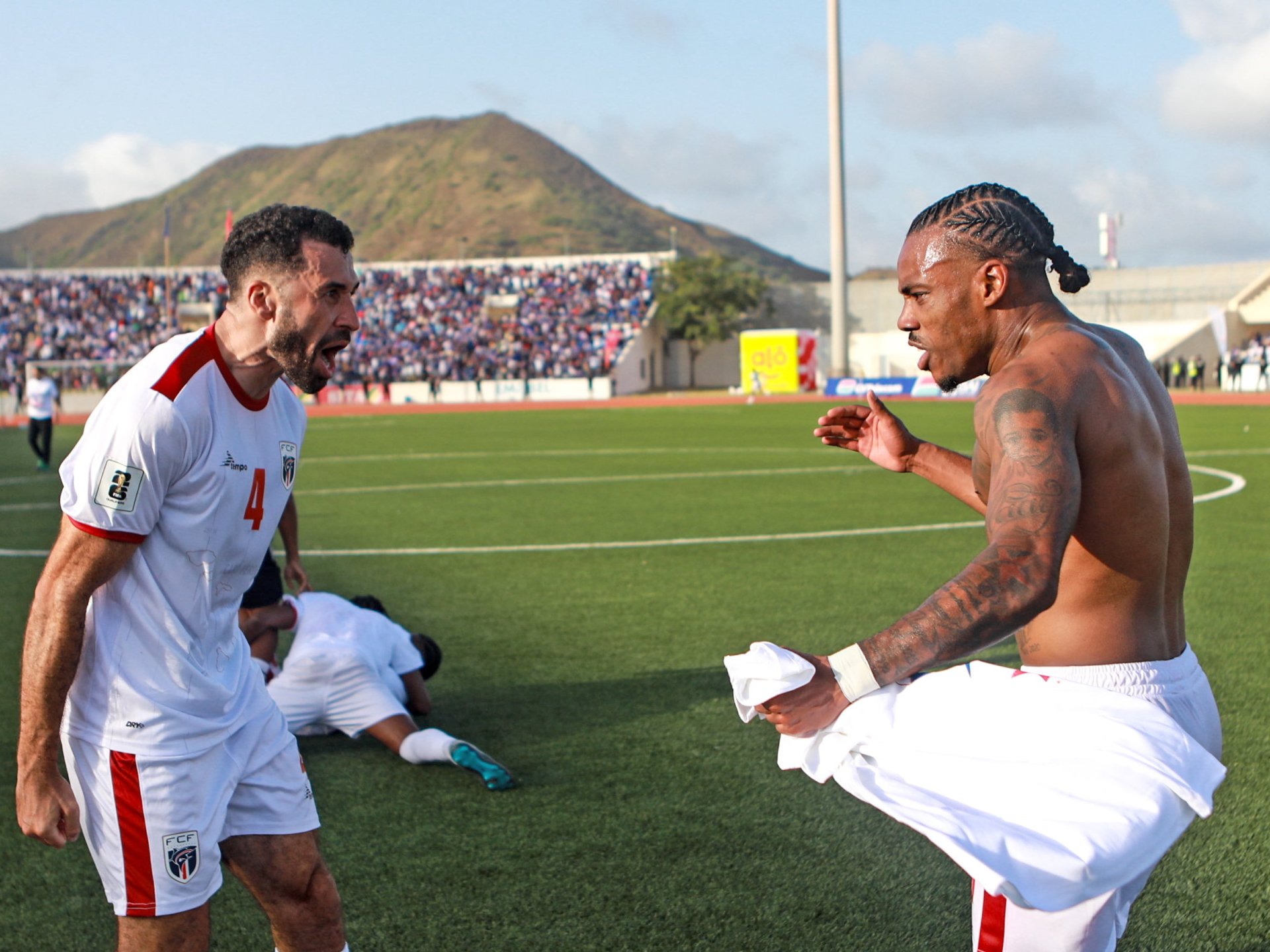
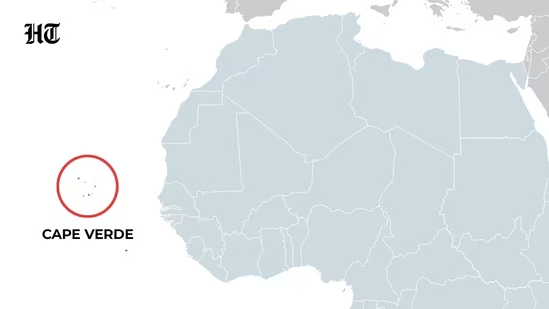
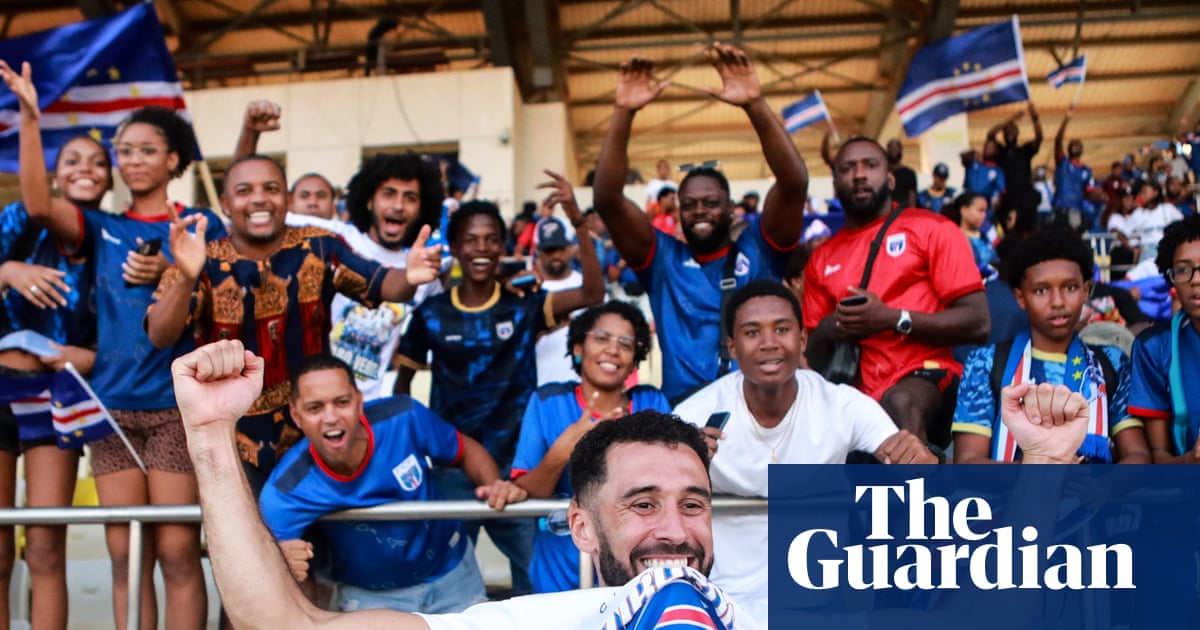
Exactly 100 days after the 50th anniversary of independence, the same flag was waved at the very same ground, where crowds gathered to celebrate Cape Verde’s historic first World Cup qualification with the players who had earlier secured the decisive 3-0 win over Eswatini five miles away at the National Stadium. This island nation off the coast of Senegal, with a population of fewer than 600,000, has become the second-smallest country to qualify for the tournament, after Iceland in 2018.
Estádio da Várzea, which once hosted Cape Verde’s national team matches and was the venue for the 2000 Amílcar Cabral Cup – the country’s only trophy besides the 2009 Lusophony Games – thronged with joyous locals. A crowd had watched the game on a big screen outside, and a stage had been set up inside in preparation for a hoped-for party. People flocked there after the match, the players turning up after a period in their hotel.