https://arab.news/gzteh
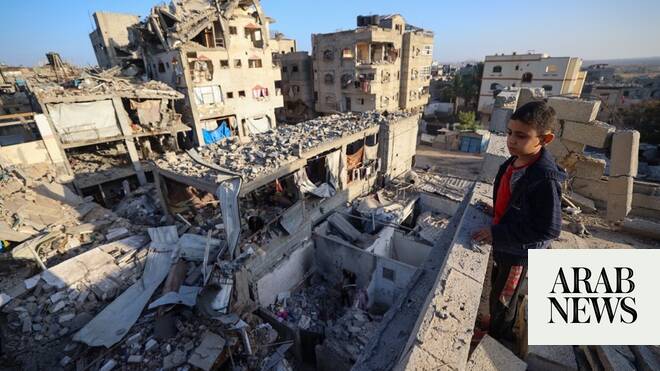
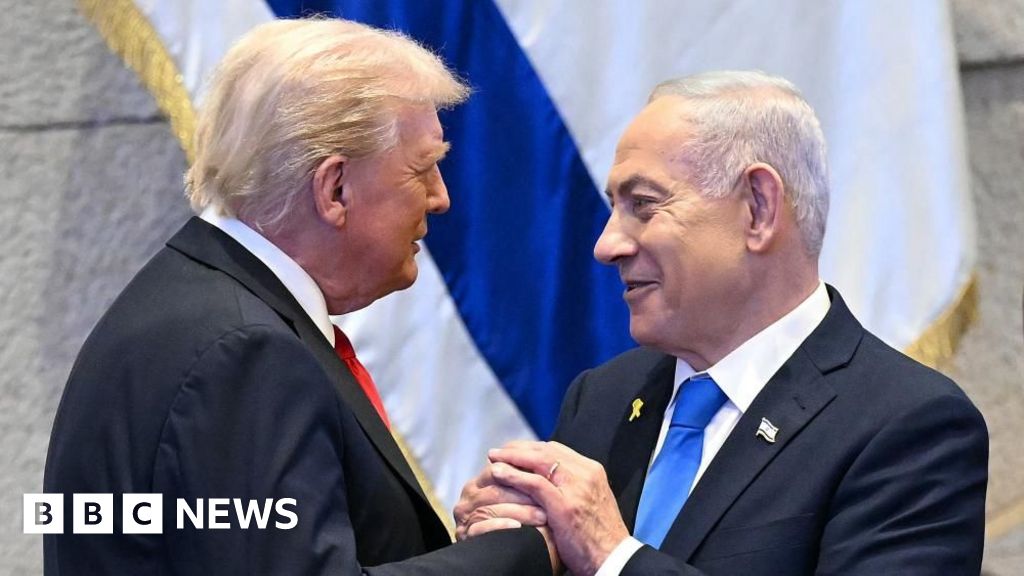
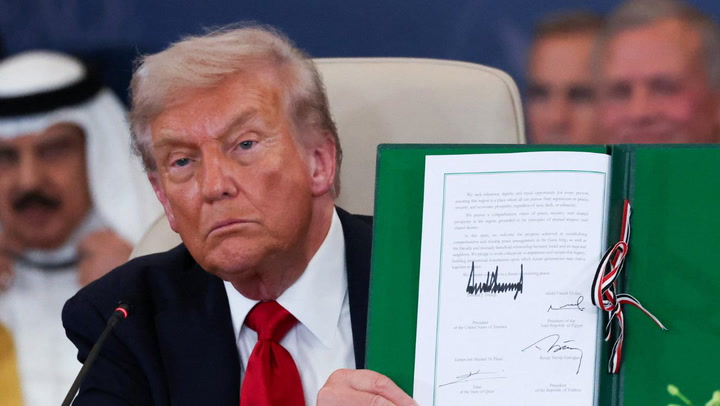
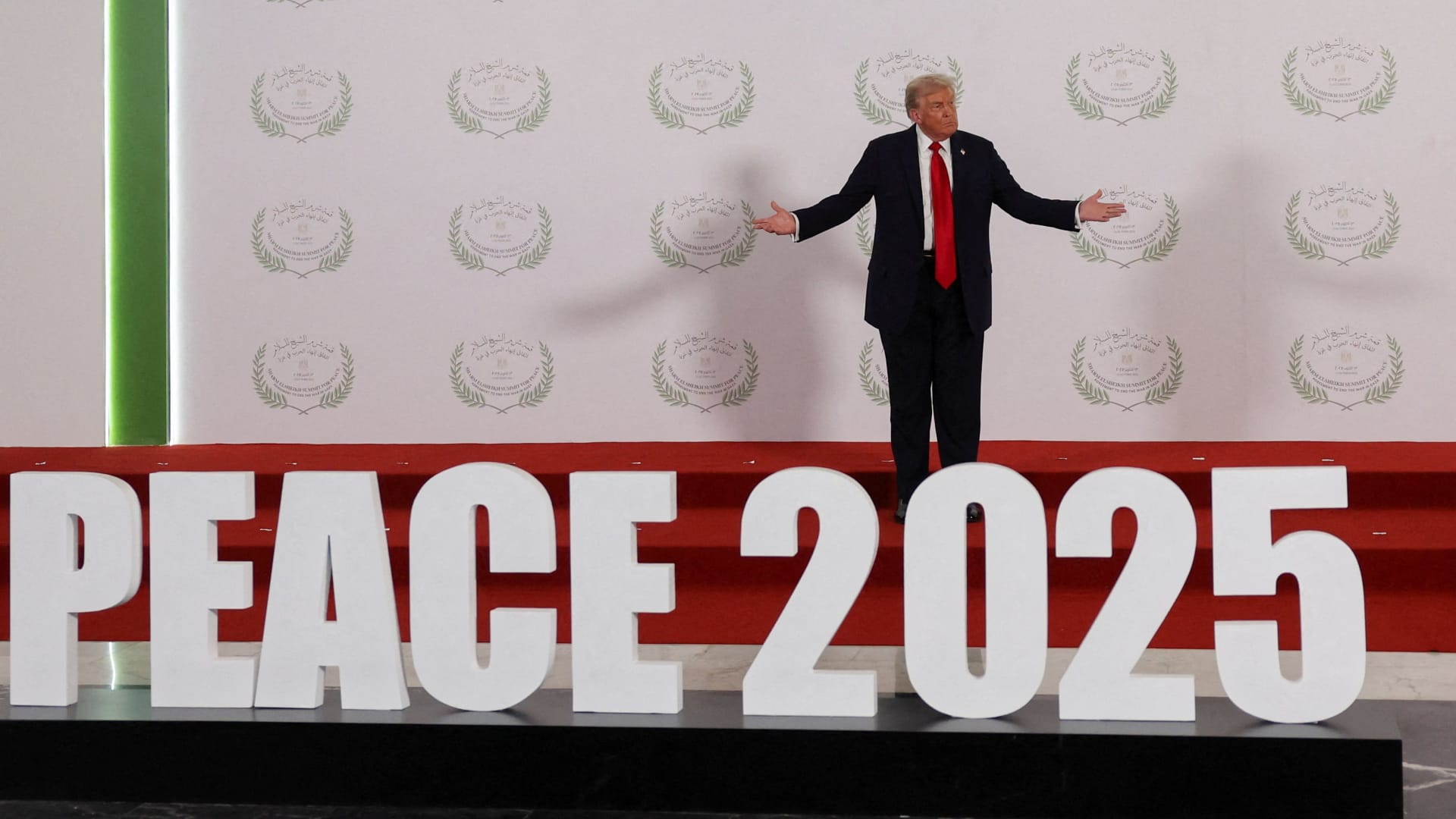
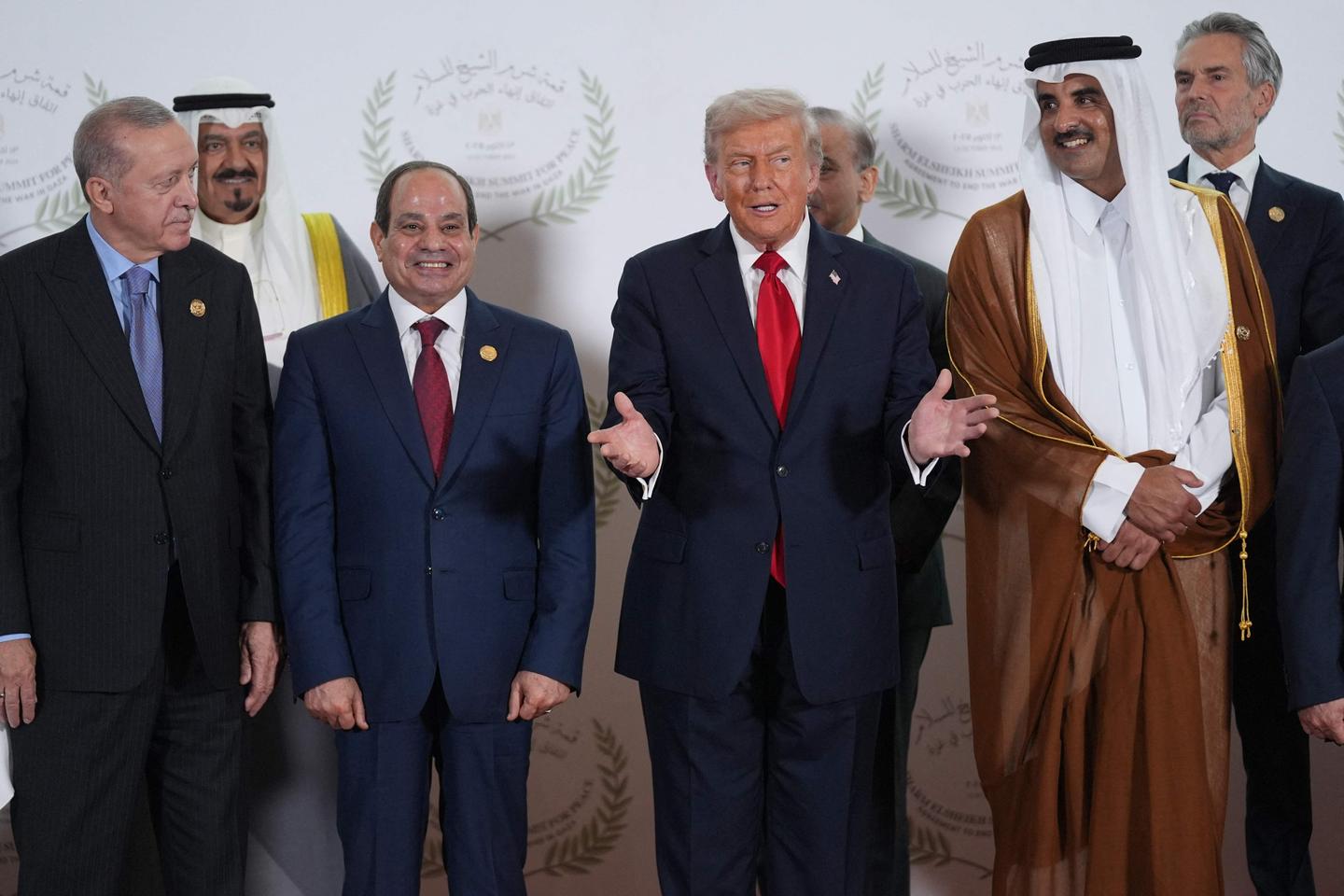
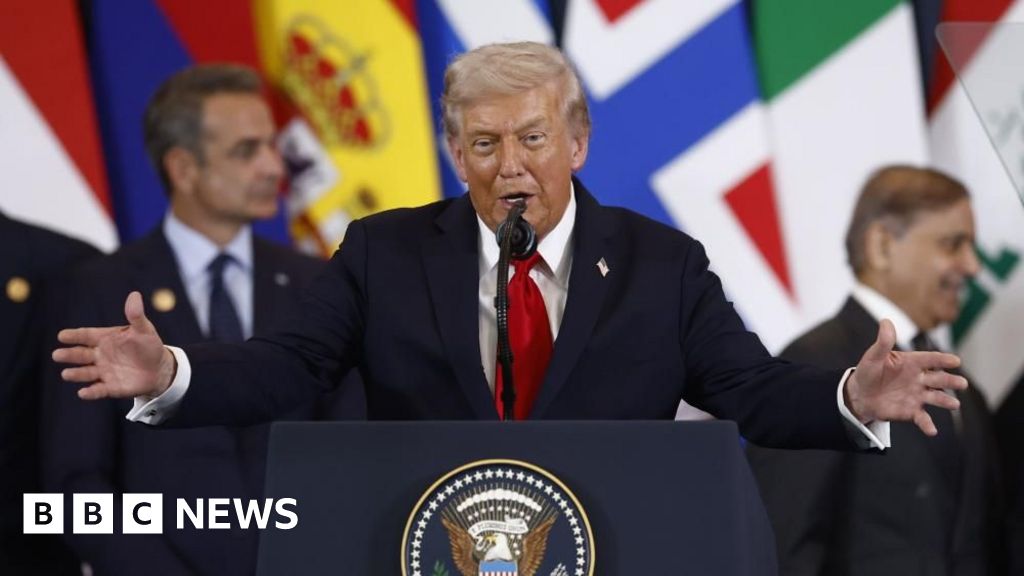
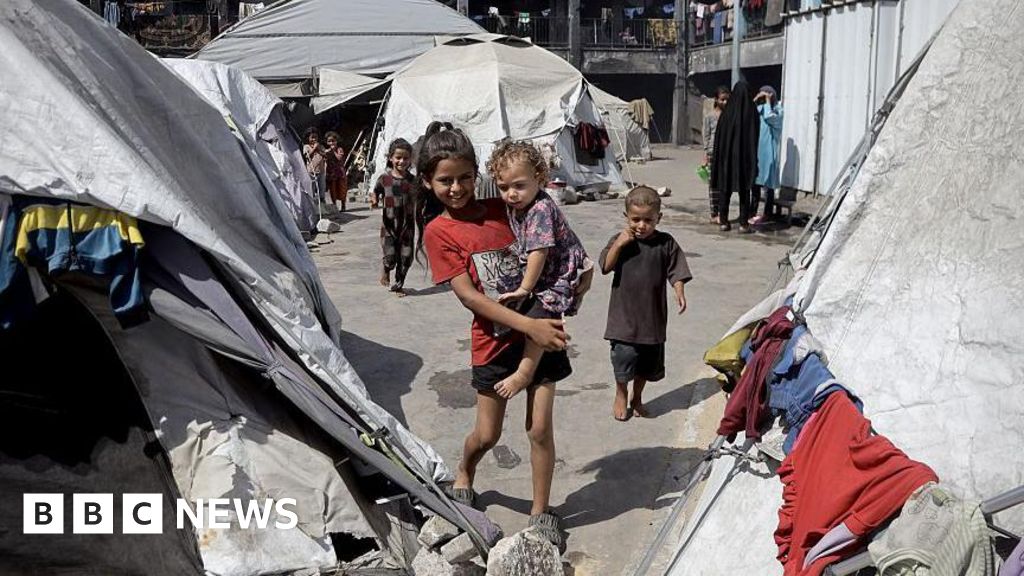
Monday was an extraordinary day in the life of the Middle East: an end to the two-year-old Israeli war on Gaza and, in the words of US President Donald Trump, “the dawn of a new Middle East” and an end to “the long and painful nightmare.” The promise of a historic breakthrough to the region’s endemic conflicts was so surreal that there was an actual sense of optimism running through the entire area, something that has not been felt for years and maybe decades.
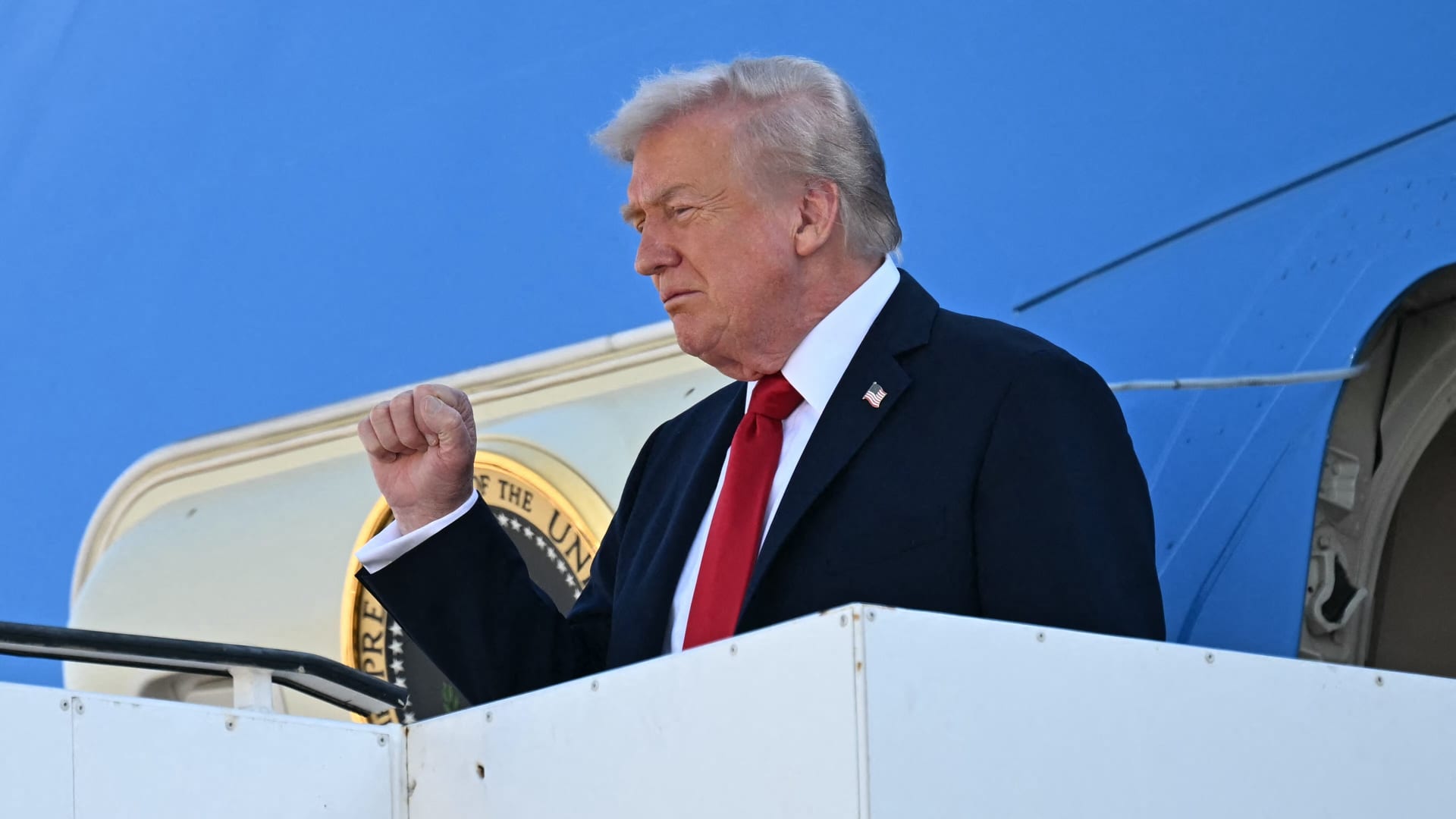
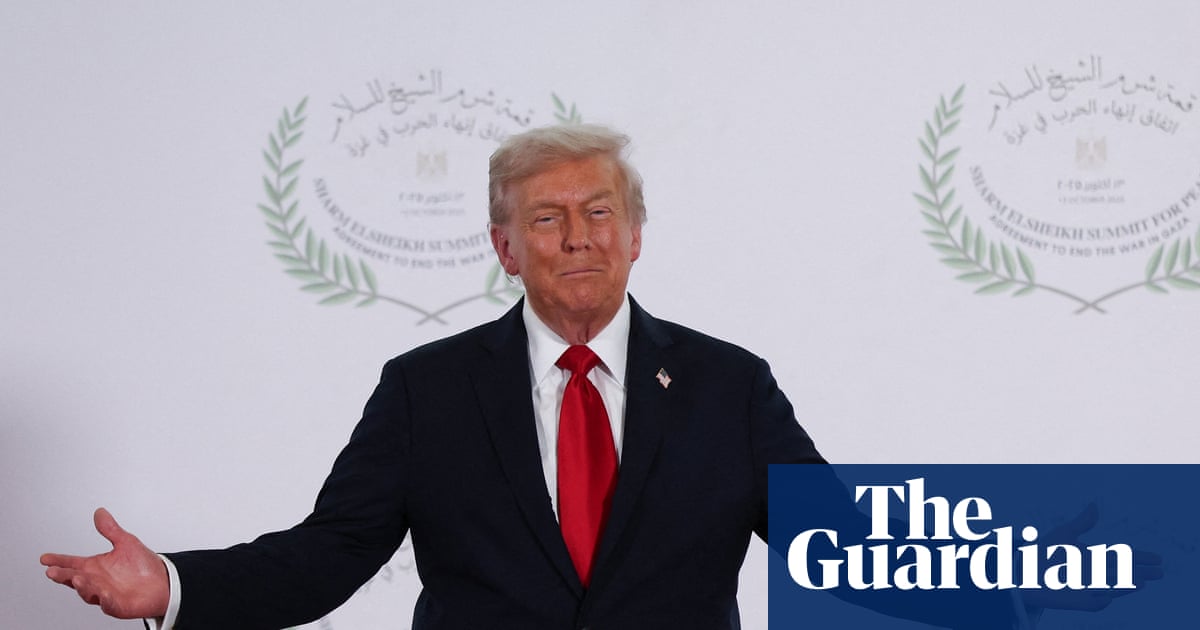
But let’s not kid ourselves. This was Trump’s day. Forget about the release of the remaining living hostages by Hamas or the release of fewer than 2,000 Palestinian prisoners by Israel — most of whom were never even charged. Forget about the fact that the guns went silent in Gaza and that aid was finally flowing into the beleaguered enclave. This was Trump’s moment in history, enveloped in hyperbole and long-winded speeches.
Yet it was equally crucial in so many ways, in particular the fact the US is now back in charge of how this conflict-ridden region will move forward. If anything, it reinstated one overused statement: without the US, peace can never be achieved in the Middle East.
The US was in control of the so-called peace process for decades, starting with the post-Gulf War Madrid Peace Conference, passing through the Oslo Accords, the second Camp David meetings, the roadmaps and the Obama declarations. Then the process collapsed. The US was out as a broker and mediator. The region was engulfed in chaos.