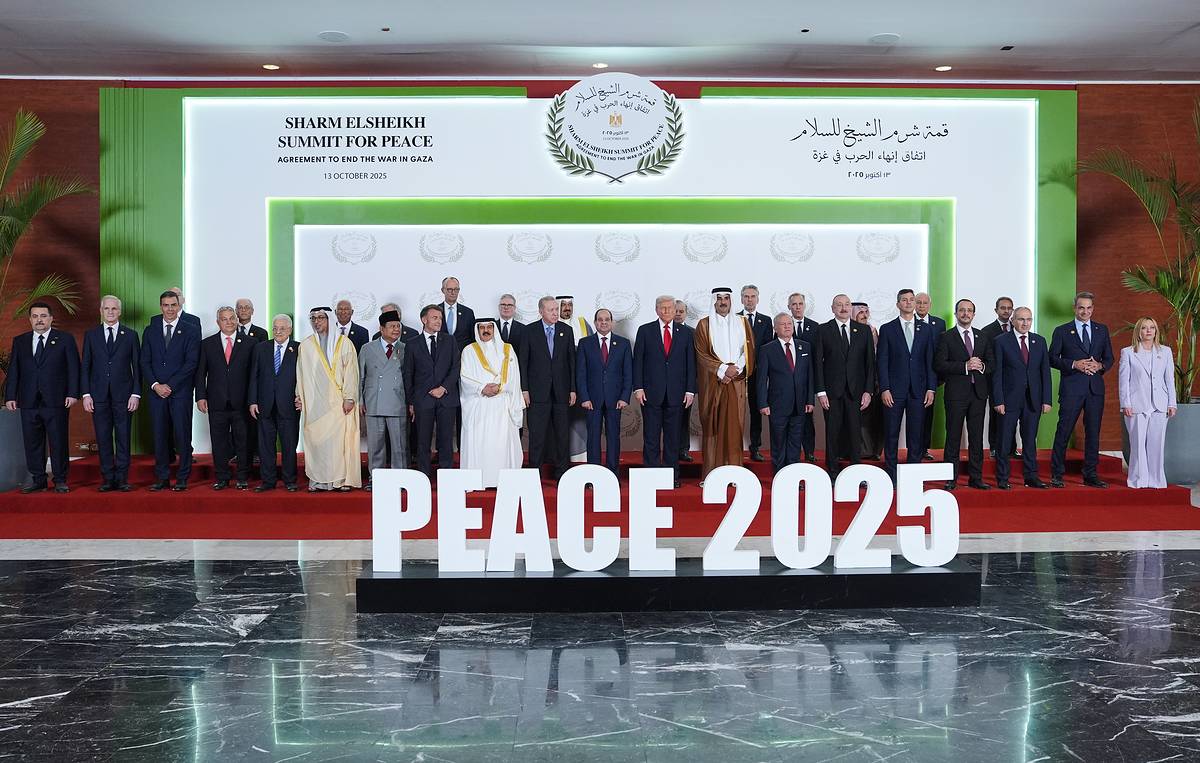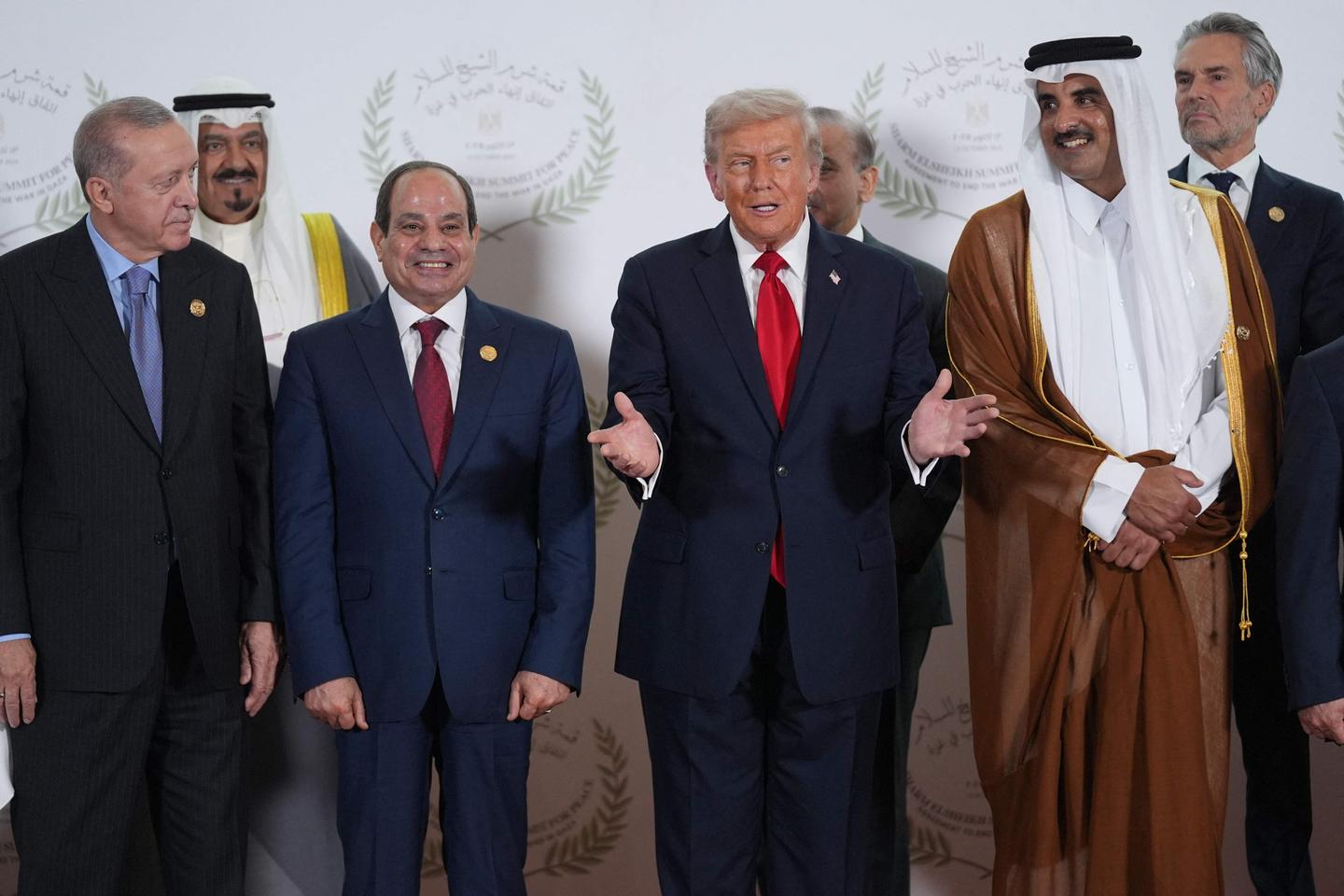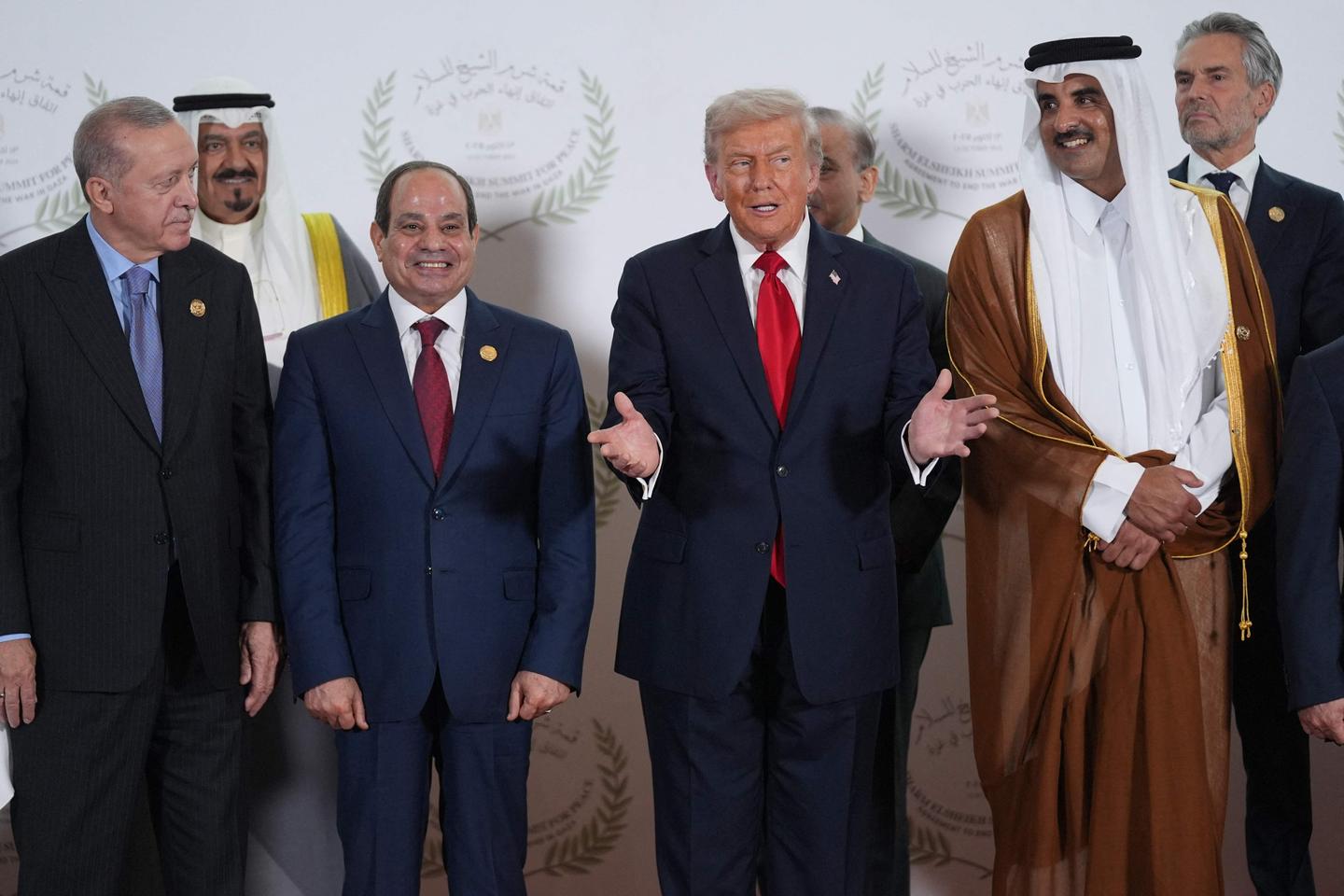
Turkish President Recep Tayyip Erdogan, Egyptian President Abdel Fattah el-Sissi, American President Donald Trump, and Emir of Qatar Sheikh Tamim bin Hamad Al Thani, in Sharm el-Sheikh, Egypt, October 13, 2025. EVAN VUCCI/AFP
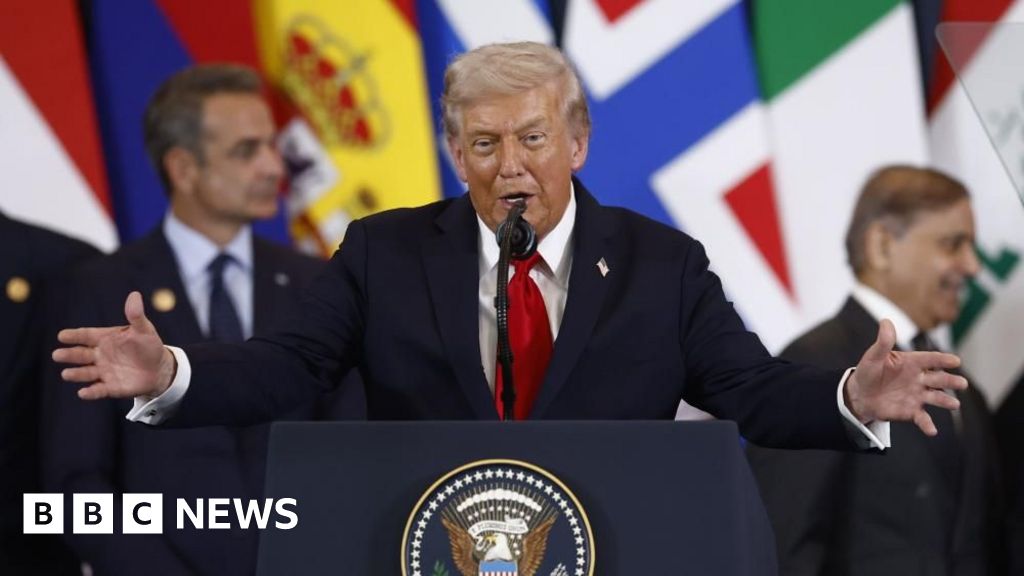
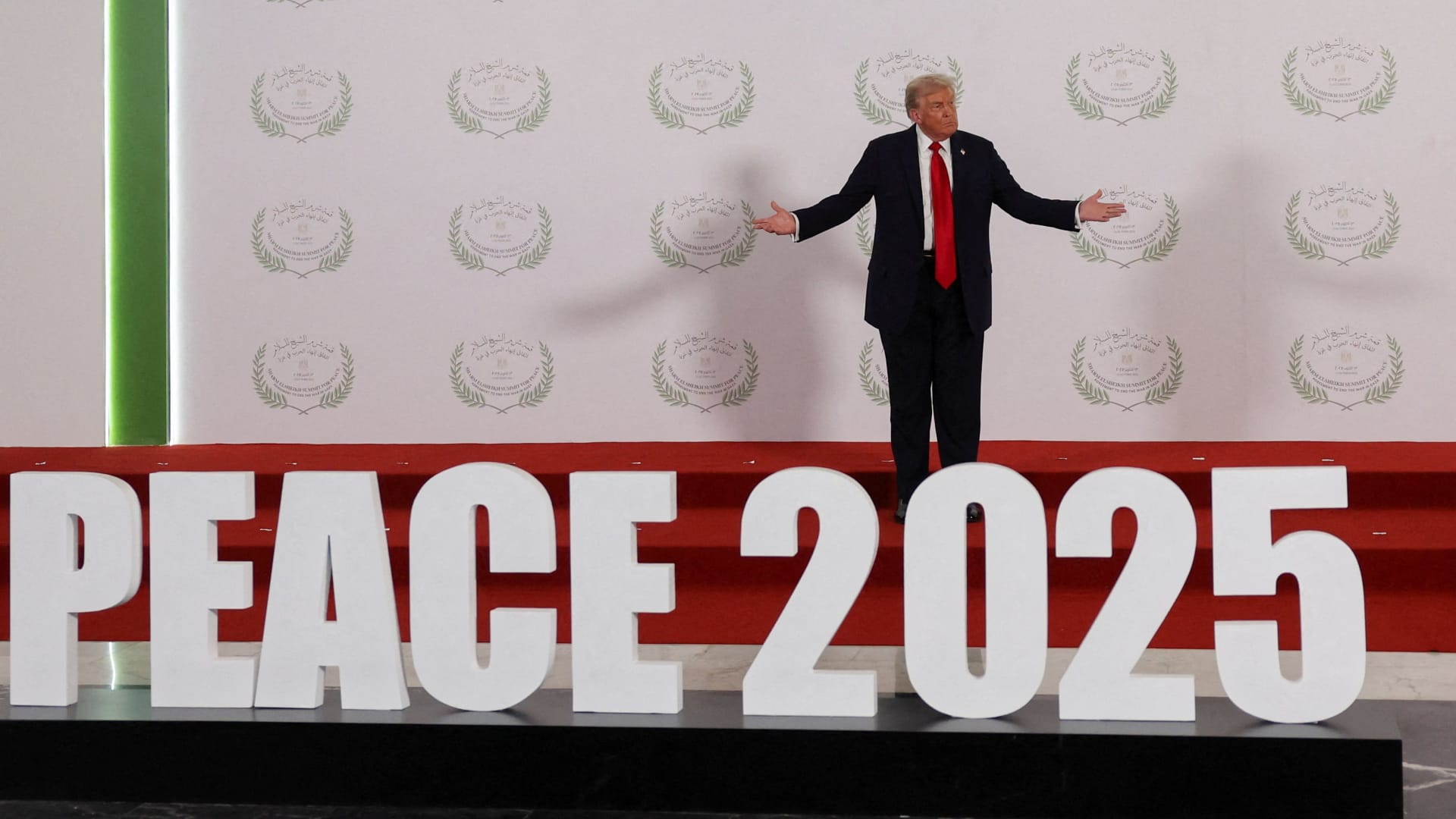
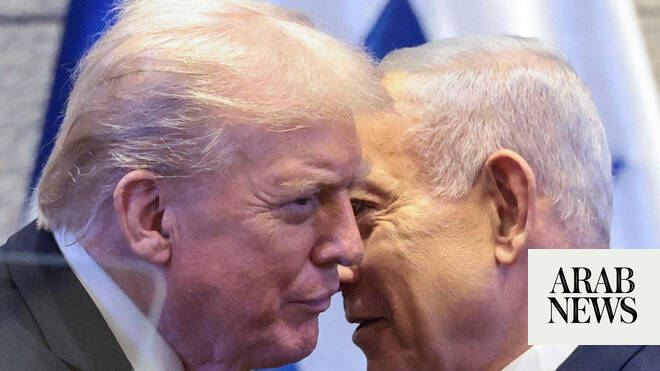
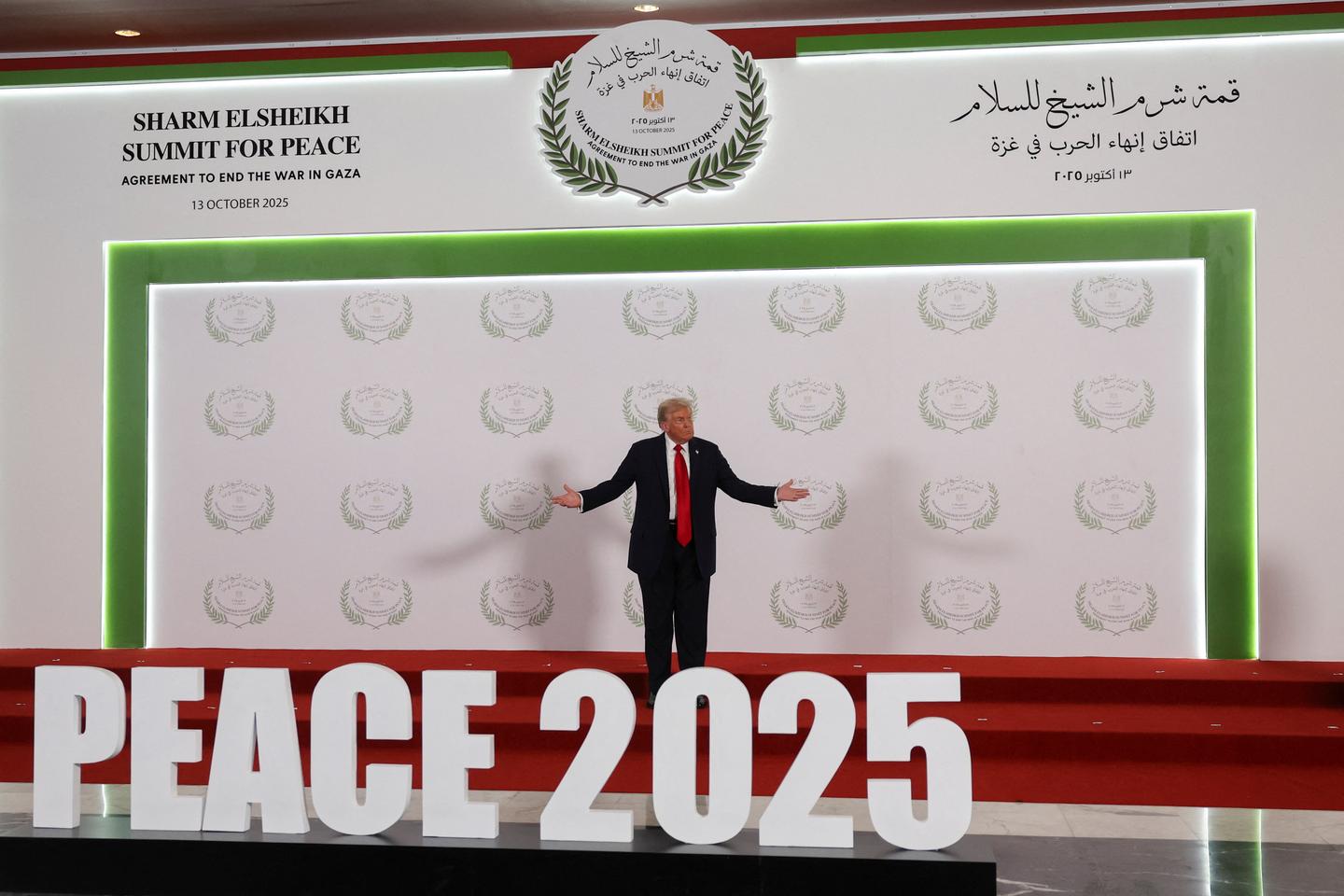
"It took 3,000 years to get to this point. Can you believe it?" Like an athlete taking a victory lap to greet the crowd before the finish line, Donald Trump basked in applause on Monday, October 13. From Jerusalem to Sharm el-Sheikh, the American president had legitimate reasons to celebrate. The release of the last 20 living hostages held by Hamas in the Gaza Strip marked a success that had seemed unimaginable not long ago. Only he could achieve it, but certainly not without help.
This success validated an unconventional approach to diplomacy. For Trump, everything hinges on personal relationships and power dynamics. He sees history as an obstacle. At no point did Trump claim to put Israelis and Palestinians on equal footing in the conflict, since they were not, and because that method had failed for decades. He chose to ignore the political rights of Palestinians, as he had in his 2020 peace plan, and focused instead on immediate objectives: securing the release of hostages and economic deals. Trump views Gulf countries as an inexhaustible source of wealth. He promised them, with their money and US backing, a "historic dawn" for a "new" Middle East, "in peace for all eternity."