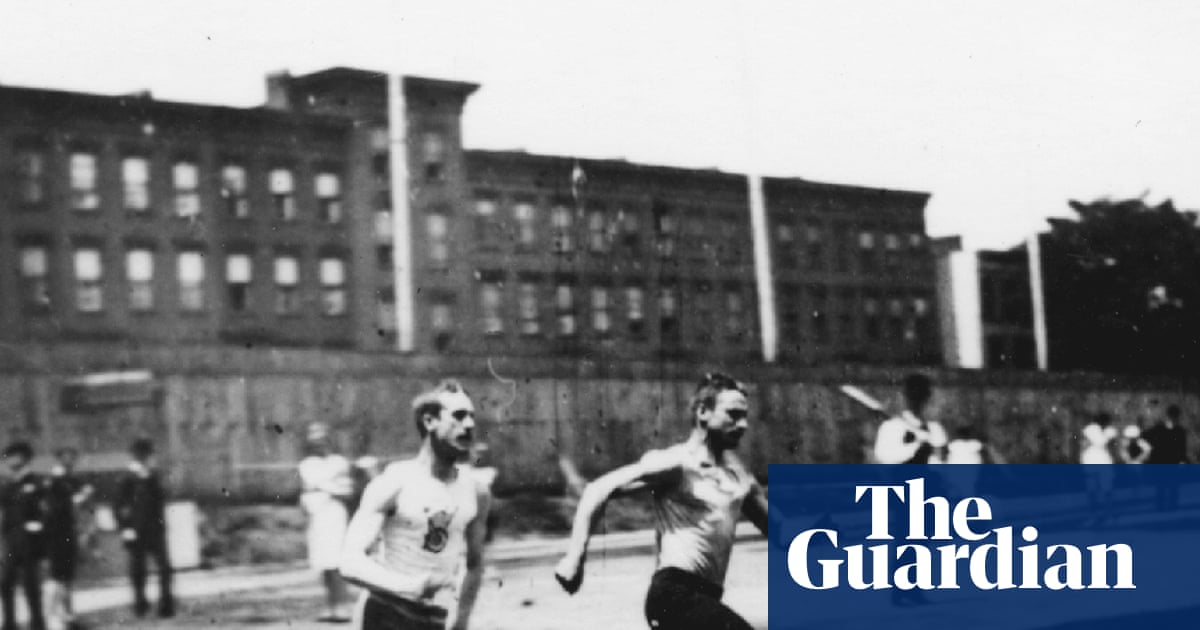
In the 1870s, a civil engineer devised early handheld cameras able to capture scenes with more detail than ever. He used the technology to document people on New York streets, from musicians to beggars to paperboys. The work of the innovator, often referred to as the ‘father of instantaneous photography’, has been compiled into a book by Erik Hesselberg called Candid New York: The Pioneering Photography of George Bradford Brainerd, out on 21 October
Main image: One of George Brainerd’s most remarkable action photos of runners sprinting on a New York track, snapped in the late 1870s. Brainerd was experimenting with improved handheld cameras and faster dry-plate technology, which drew him more and more to action scenes. Photograph: The Brooklyn Museum
Tue 14 Oct 2025 11.02 CEST
Daguerreotypes are cherished for their eerie clarity, like this one from the 1840s. Unfortunately, achieving such detail required agonizingly long exposure times, from 15 minutes to half an hour, depending on lighting. This required subjects to sit motionless for long periods of time, and various props were employed to keep sitters still and avoid motion blur
Photograph: The Brooklyn Museum