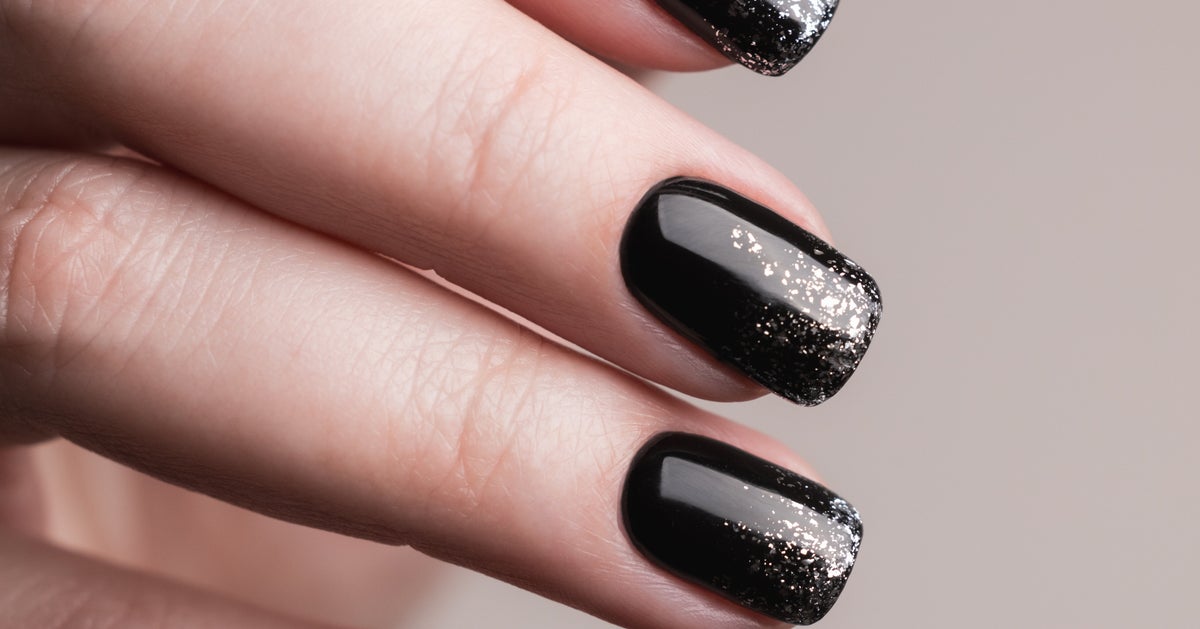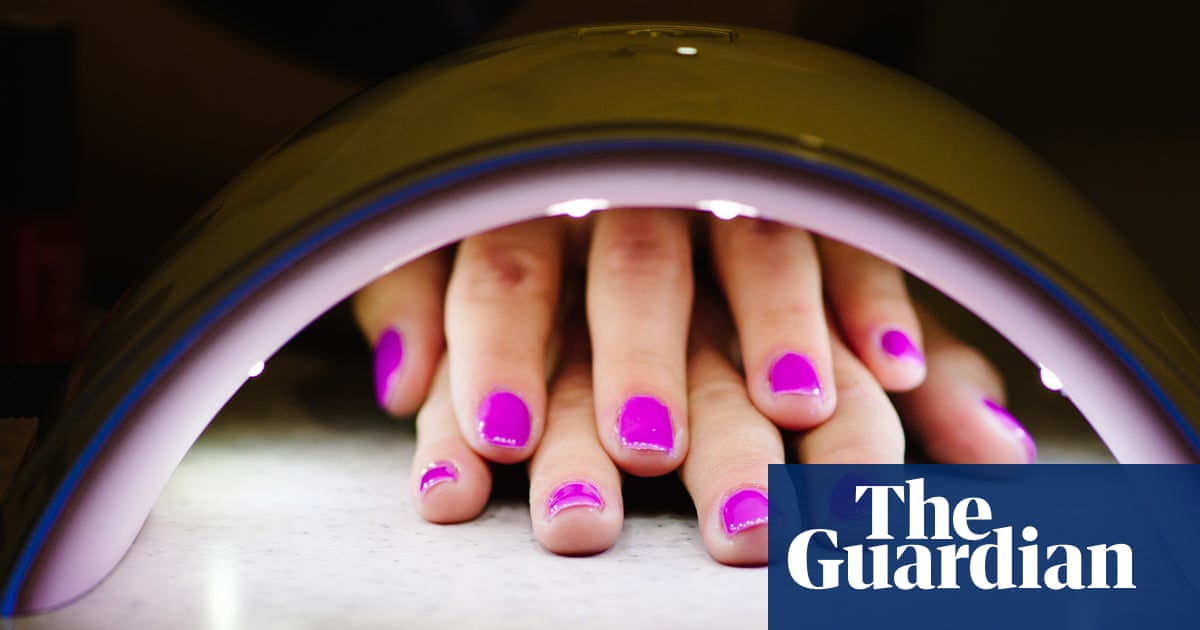
Gel and acrylic varnishes have been blamed for a host of unpleasant side-effects, stretching far beyond the fingertips. Some ingredients have been banned – but will that be enough to make the process safe?
F
rom French tips to glazed doughnuts, shimmering cat eye to high-shine chrome, getting your nails done is the beauty trend that refuses to fade. Gel polish, dip powder, acrylic overlays … whatever the method, the demand for durable, chip-resistant, manicured nails is so strong that salons now often outnumber high street bank branches in the UK.
But behind the glossy finish lies a more complicated story. Last month, the European Union banned TPO – an ingredient that helps gel polish to harden under UV light – after animal studies suggested it could harm fertility or a developing foetus. The UK is expected to follow next year. It’s not the first safety red flag: Hema, another common ingredient, was restricted in DIY nail kits in 2021 after a surge in cases of allergic contact dermatitis, a painful skin condition marked by redness, blistering and swelling. So how safe is a gel manicure? And what can you do to protect yourself?
Just a glance at the social media hashtag #gelallergy will show what an allergic reaction to Hema looks like. “People describe a broad range of symptoms: rashes, pain, blisters, bleeding, itching, changes in sensation in their fingertips,” says Dr Shari Lipner, a dermatologist nail specialist at New York-Presbyterian hospital and Weill Cornell Medical College in New York, US. She recently analysed 214 TikTok videos about gel allergies.