How author researched his plots and letters from Alec Guinness feature in Oxford exhibition
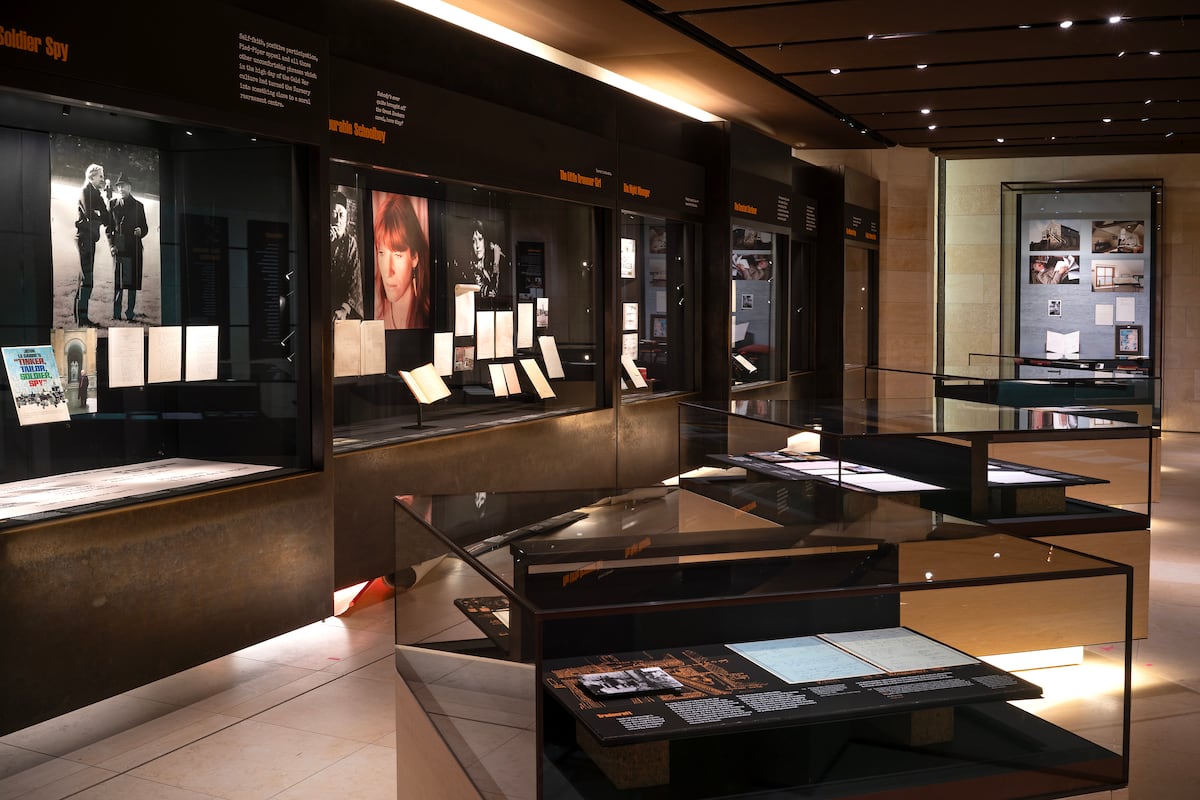
Lamplighters, pavement artists, babysitters – they have taken on whole new meanings thanks to John le Carré. As his fans will know, they are part of tradecraft practised by the spies he wrote about so evocatively. Now, almost five years after his death, an exhibition, with the title Tradecraft, reveals the techniques and motivations of the characters’ real creator, David Cornwell.
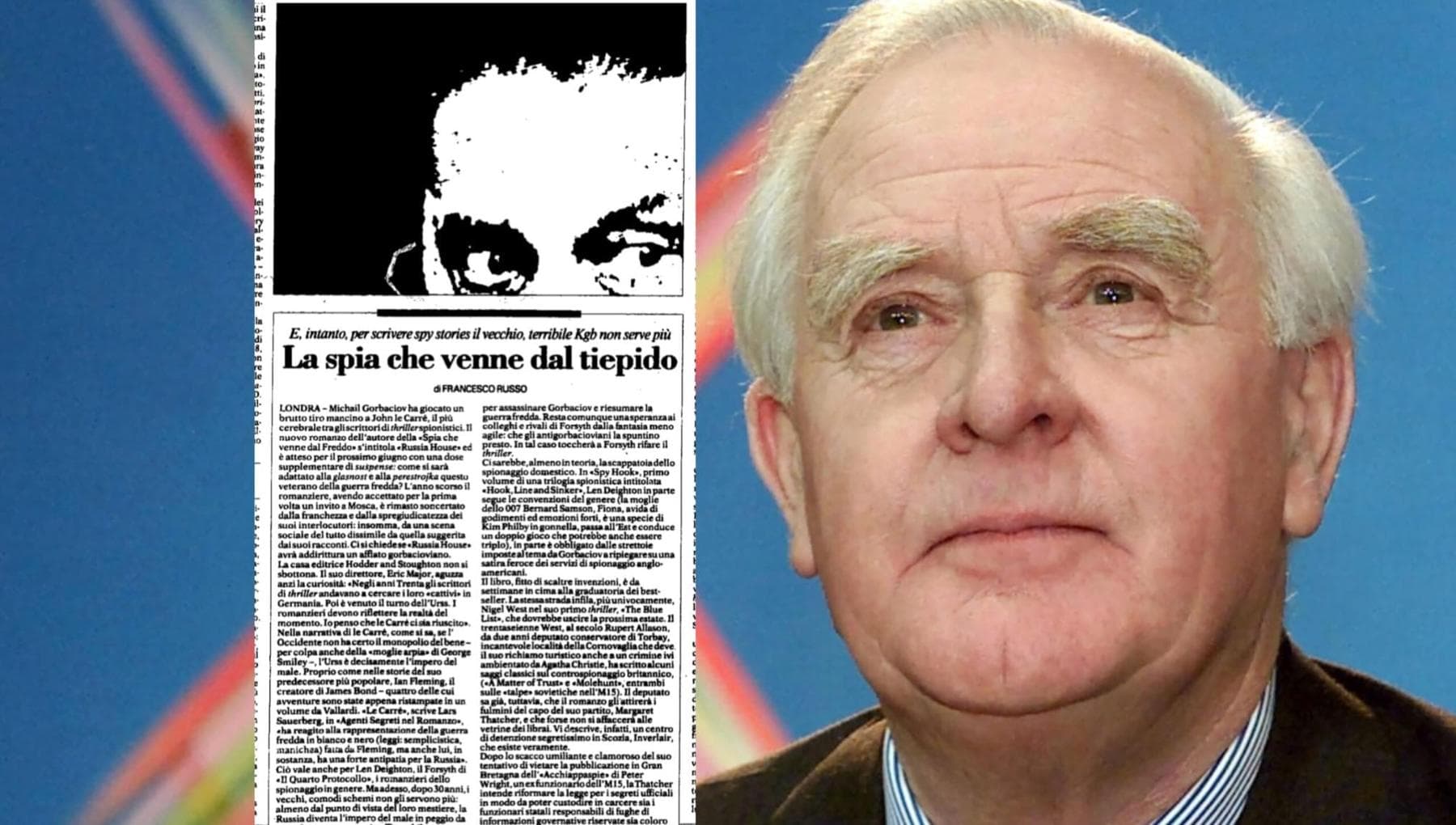
As you enter the exhibition in Oxford University’s Bodleian library you are greeted with a large portrait of Cornwell, wearing a black bucket cap, looking straight ahead with piercing eyes, his chin resting on his gently clasped hands. Accompanying the photo are two of his quotes. “I am not a spy who writes novels, I am a writer who briefly worked in the secret world,” one says. The second, after questioning whom, if anyone, we can trust, continues: “What is loyalty – to ourselves, to whom, to what? Whom, if anyone, can we love? And what is the caring individual’s relationship to the institutions he services?”
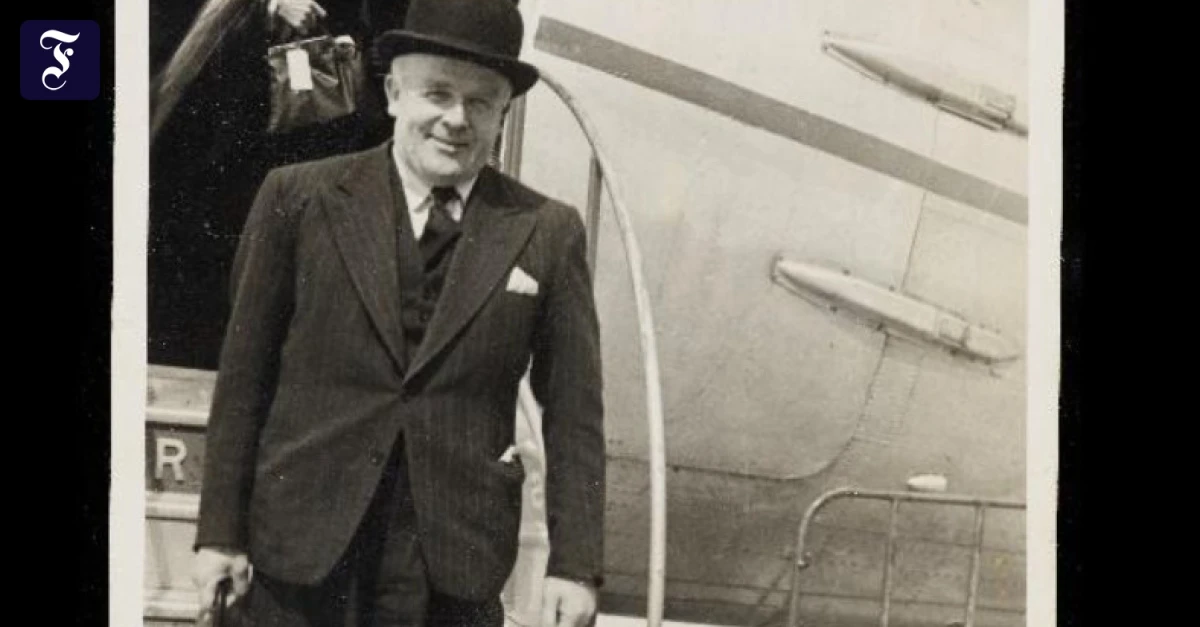
They are questions that had confronted him since childhood, with a mother who abandoned and lied to him and a father, Ronnie, a conman and fantasist who spent time in prison. Among the books that feature in the exhibition is A Perfect Spy, which he called the most autobiographical of his novels, whose central character, Magnus Pym, is obsessed with his father, Rick, a seductive fraudster.