T
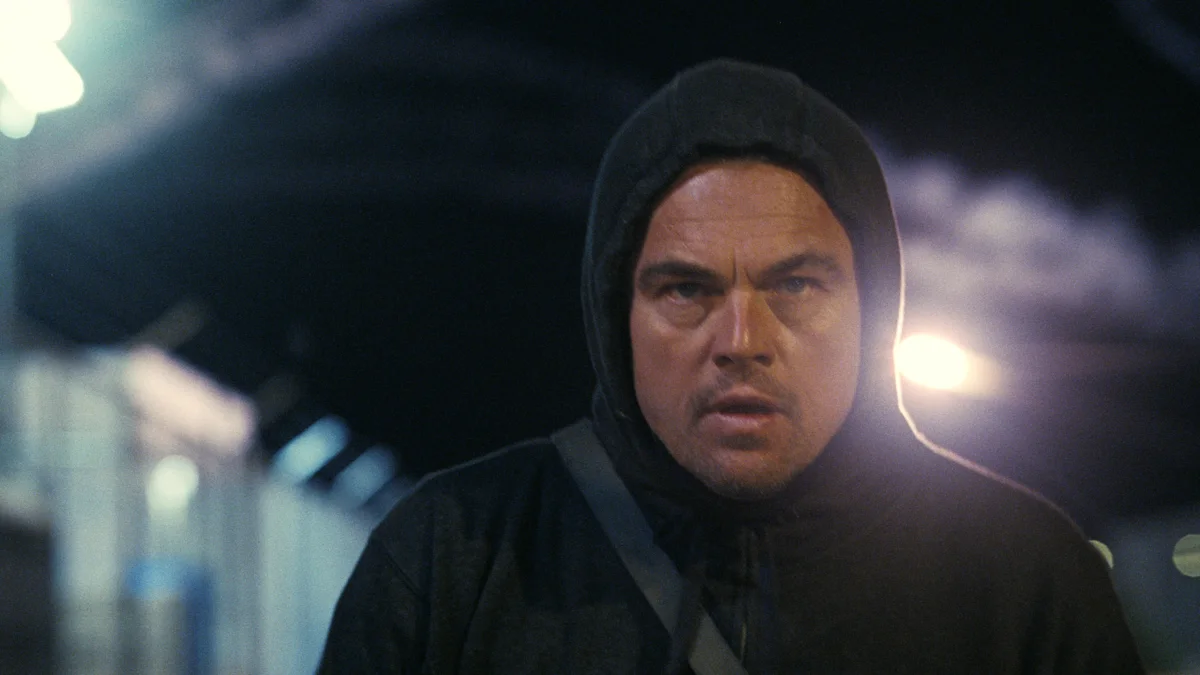
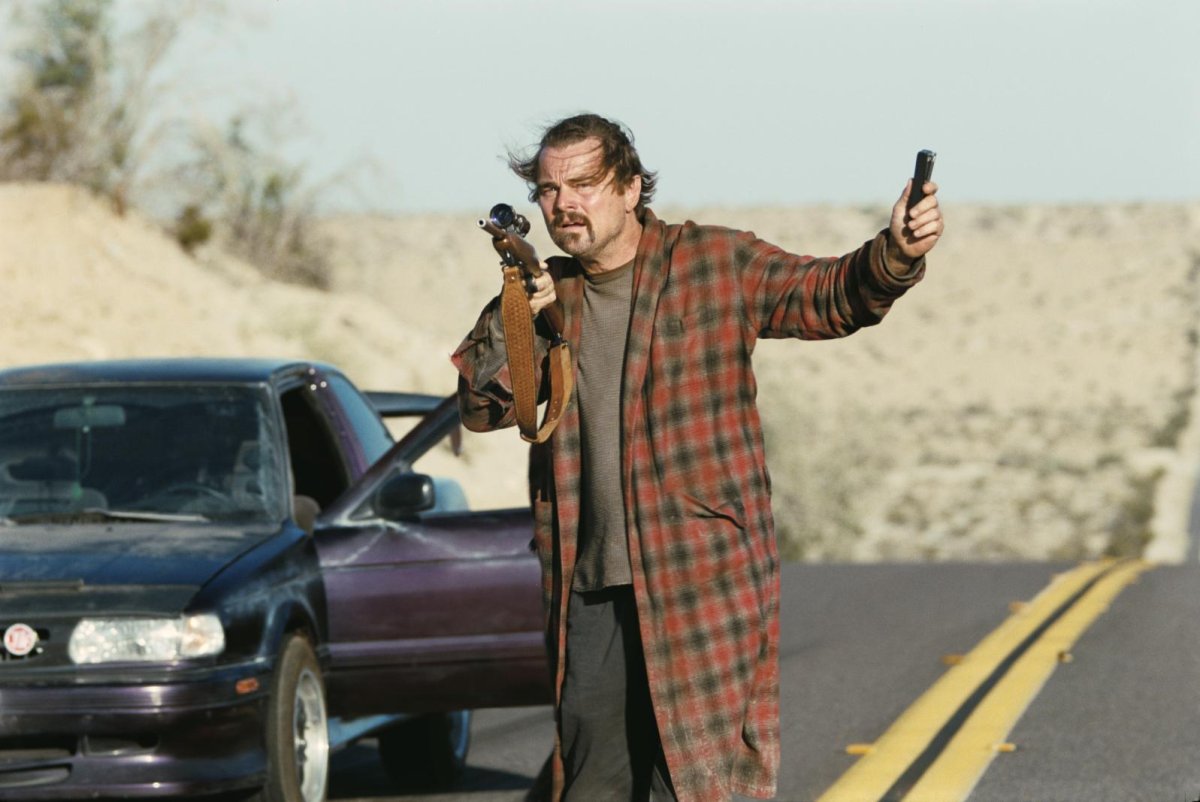
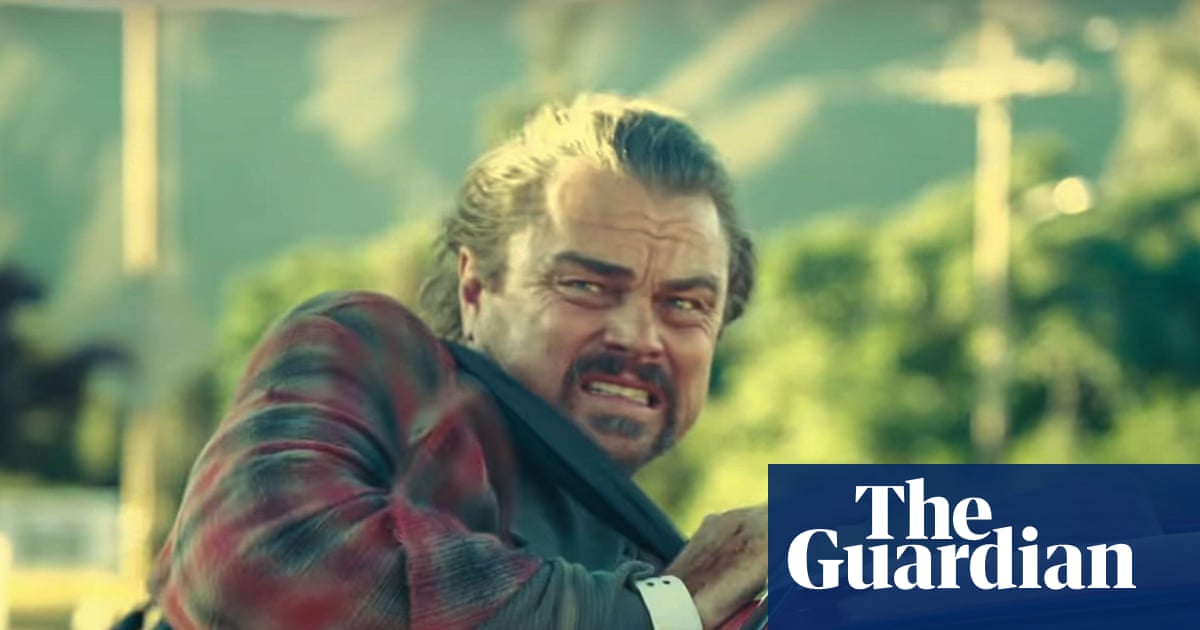
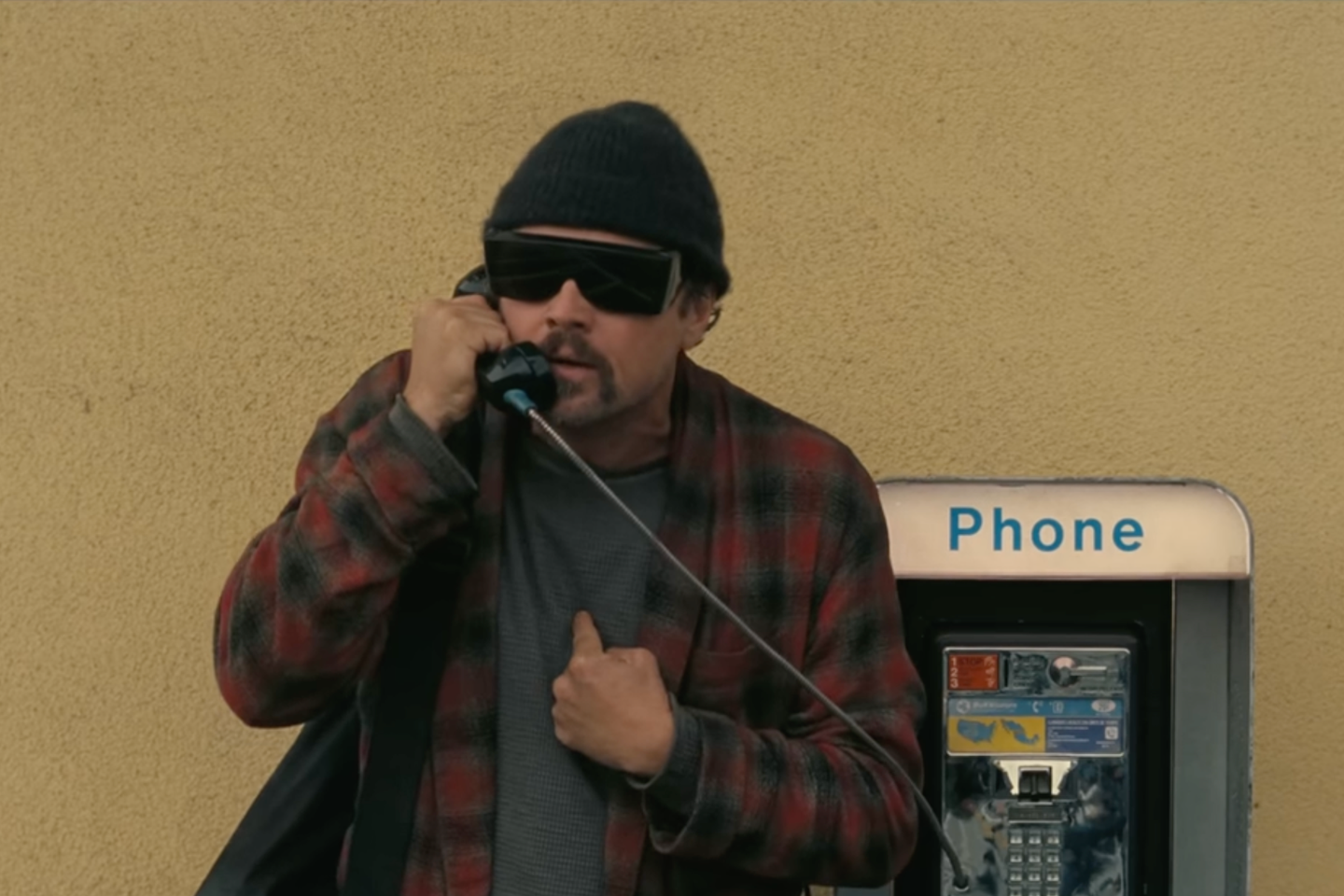
he left calls it an anti-fascist film for a fascist era. The right says it's glorifying terrorism. The polarization in the United States shows no signs of slowing. Both camps now have fresh fuel for their argument from the world of cinema. Two weeks after its release, One Battle After Another, Paul Thomas Anderson's 10th feature film, has become a major political flashpoint, drawing in journalists and commentators who usually focus on issues like immigration policy or reproductive rights.
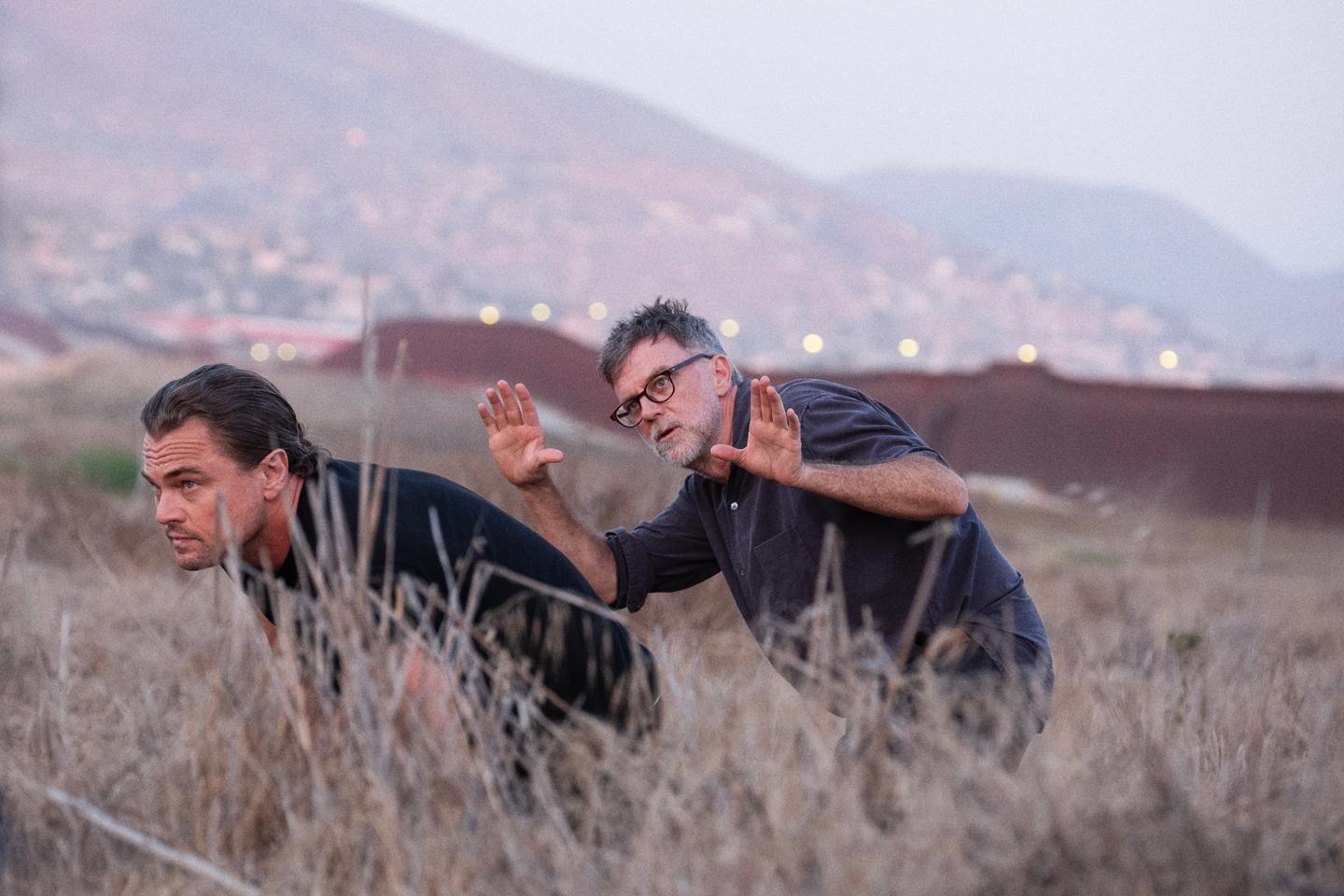
The historical relevance of a film is, inevitably, at least partly accidental. Years go by between the conception of a project and its release in theaters. Anderson had long expressed his desire to adapt Vineland, Thomas Pynchon's 1990 novel set in 1984, a cryptic take on the disillusionment that gripped activists during Ronald Reagan's presidency. By the time Anderson had written a screenplay that bore only a distant resemblance to Vineland, persuaded Warner Bros. Discovery to finance the project to the tune of $130 million (€112 million) and convinced Leonardo DiCaprio to star in it, it was already spring 2024. One Battle After Another was filmed during the last US presidential campaign, at a time when the outcome hung in the balance.