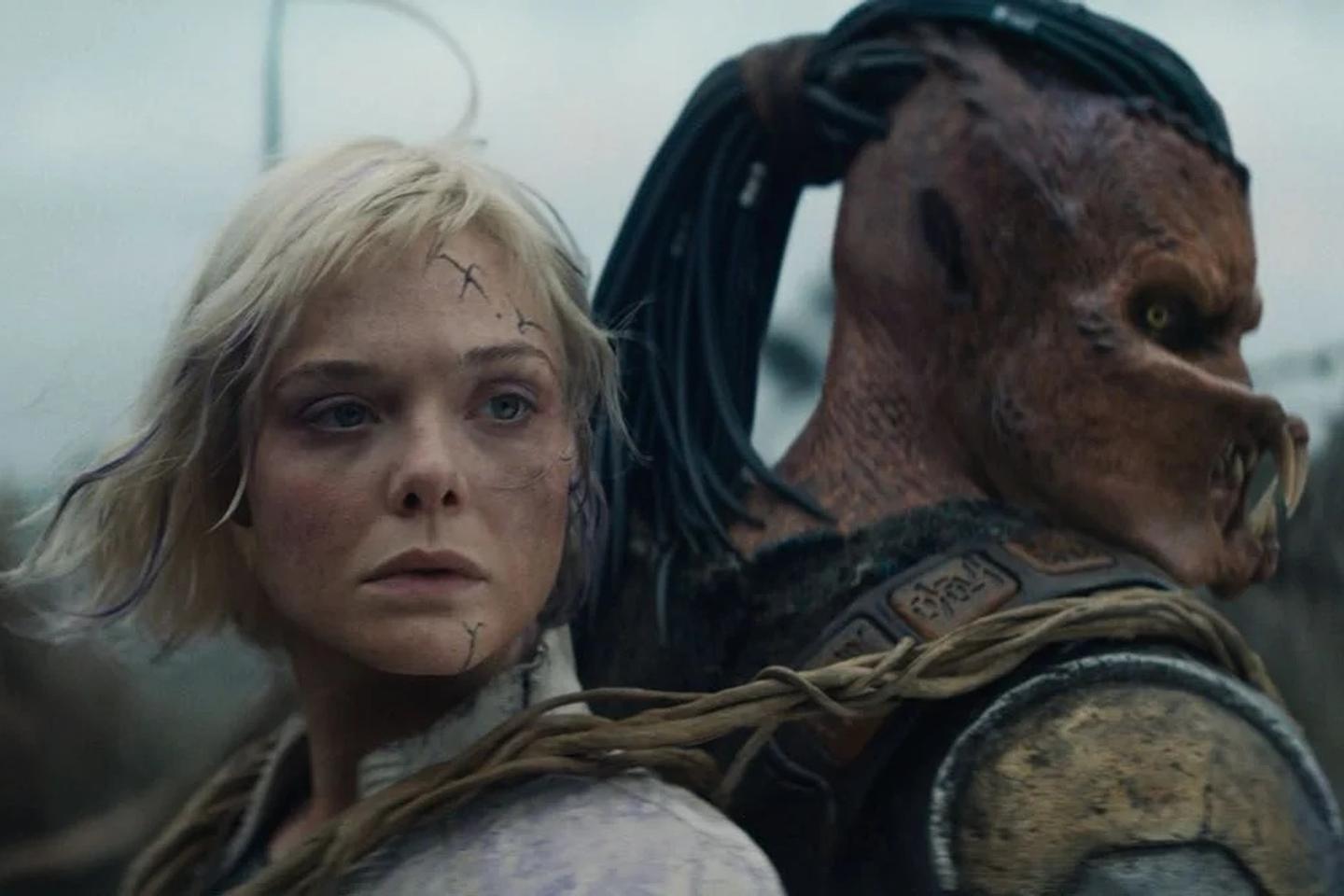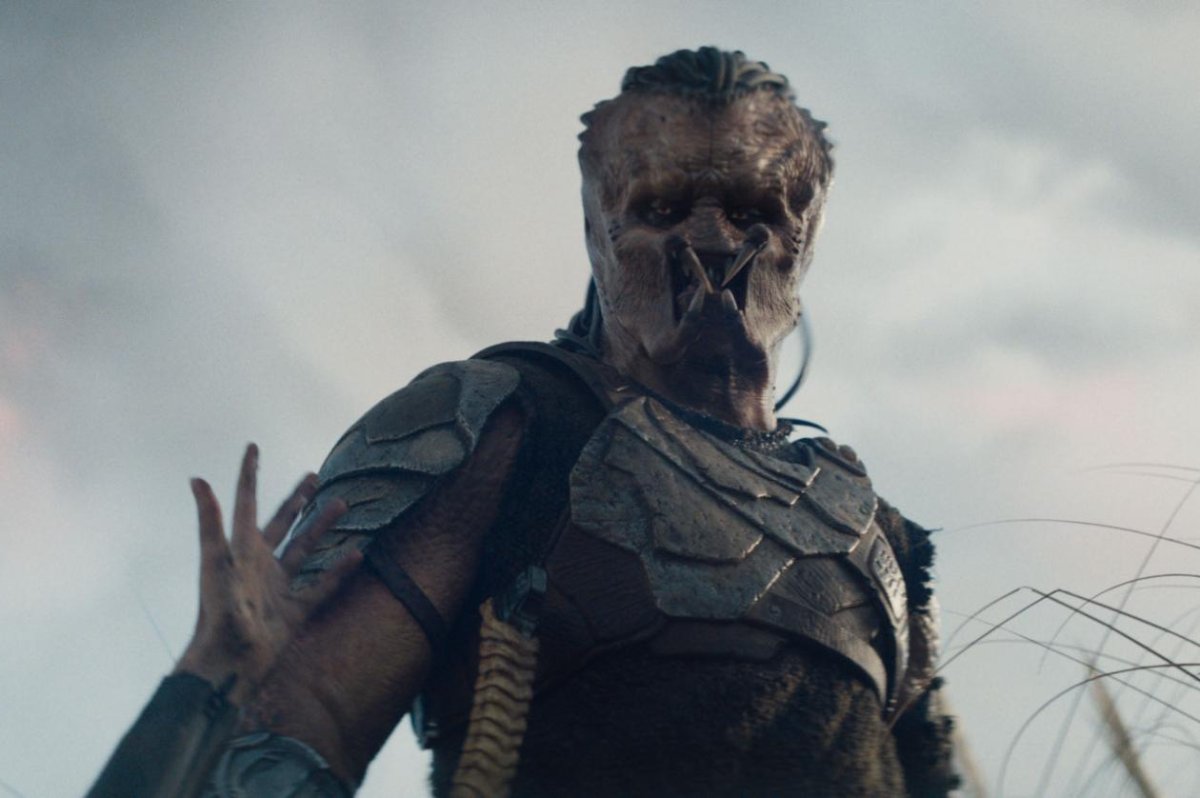
Thanks to director Dan Trachtenberg, the franchise has evolved. But the pure cinematic testosterone that sustained it may have disappeared
T
here is a longstanding Hollywood urban myth that the original 1987 Predator movie was inspired by a joke doing the rounds about Sylvester Stallone’s Rocky series. The idea was that after the Italian Stallion beat up Dolph Lundgren’s towering Soviet superman Ivan Drago in 1985’s Rocky IV, the only opponent he could fight next would be an alien. Supposedly, screenwriters Jim and John Thomas heard this jape and wrote Predator – which, after a few rewrites, a new lead (Arnold Schwarzenegger) and a change of title from their original spec script, became one of the most enduring sci-fi action films of the 1980s.
In truth, the timeline doesn’t add up. The Thomas brothers were already shopping their script around in 1983, long before Rocky IV hit cinemas, suggesting the “Rocky v alien” story is probably a post hoc myth. Yet the original film is such a perfect example of the brutally linear B-movie-esque 80s creature-feature that the story has been handed down through the decades – not because it’s true but because it feels as if it should be.
Predator is such a gloriously boneheaded concept that it ought to have spawned 20 increasingly terrible straight-to-video sequels starring progressively more ersatz versions of Schwarzenegger, each battling rubbery mandible-sporting foes against ever cheaper and more cheerful backdrops. Instead, we have been handed a series of pretty middling follow-ups: 1990’s Predator 2, the execrable Alien vs Predator films, Predators (2010) and The Predator (2018). These were never quite bad enough to achieve cult infamy, but were not good enough to justify anyone watching them again.