The feeling of crisis in Manchester also afflicts Labour and the Lib Dems. It leaves voters facing a dangerously unstable political order
M
uch of democratic politics is about getting people’s attention. That’s a particular problem for struggling, less-than-compelling leaders. The further your party falls in the polls, the larger the temptation to launch dramatic, supposedly transformational policies. It’s like speaking more and more loudly to someone who has stopped listening.
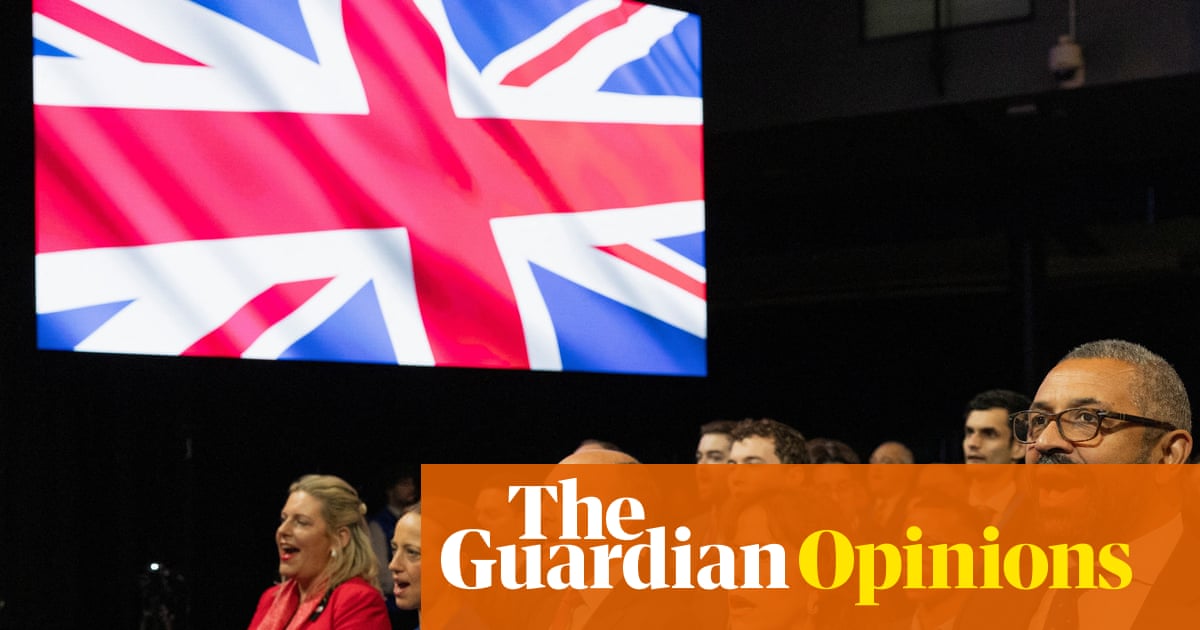
Thus this week’s Conservative conference in Manchester, with the party at historic lows in the polls, featured a frenzy of policy announcements, on once-successful Tory themes such as tax cuts, law and order, welfare and immigration, that were often made to half-empty rooms. Expanses of blue carpet had been installed in the huge, barn-like convention centre – as if to reassure delegates that the party still had an identity – yet much of the time they were eerily deserted. The Conservatives, famed and feared for their durability, seem to be disappearing before our eyes.
Their current crisis, probably their worst ever, is not just one of popularity; but of leadership, political positioning, ideology and credibility. Within a few minutes of arriving at the conference, I overheard two delegates, both suited Tory Boys of the kind that traditionally express total confidence, having a conversation that would become very familiar, away from the fixed grins of the main stage events.