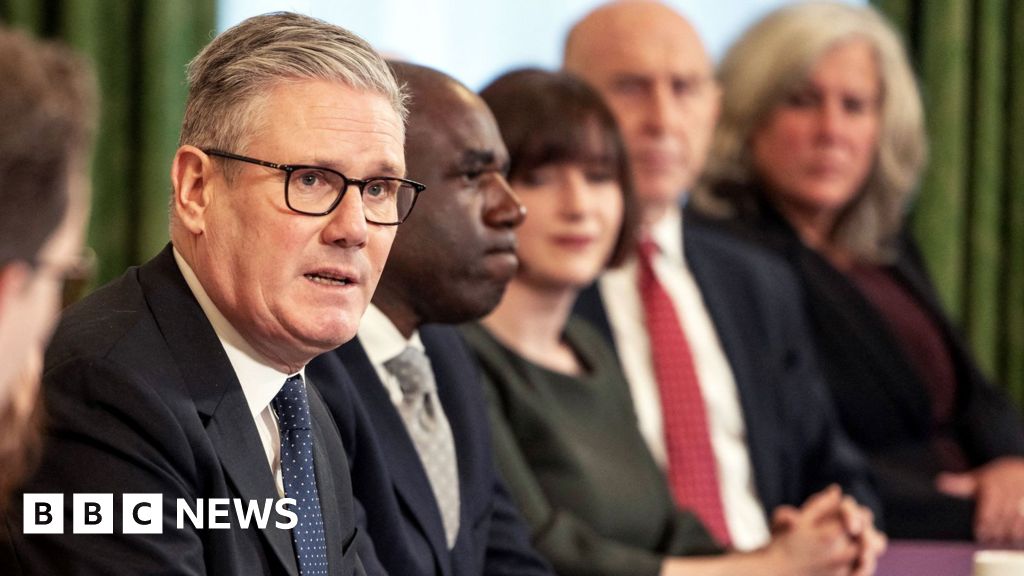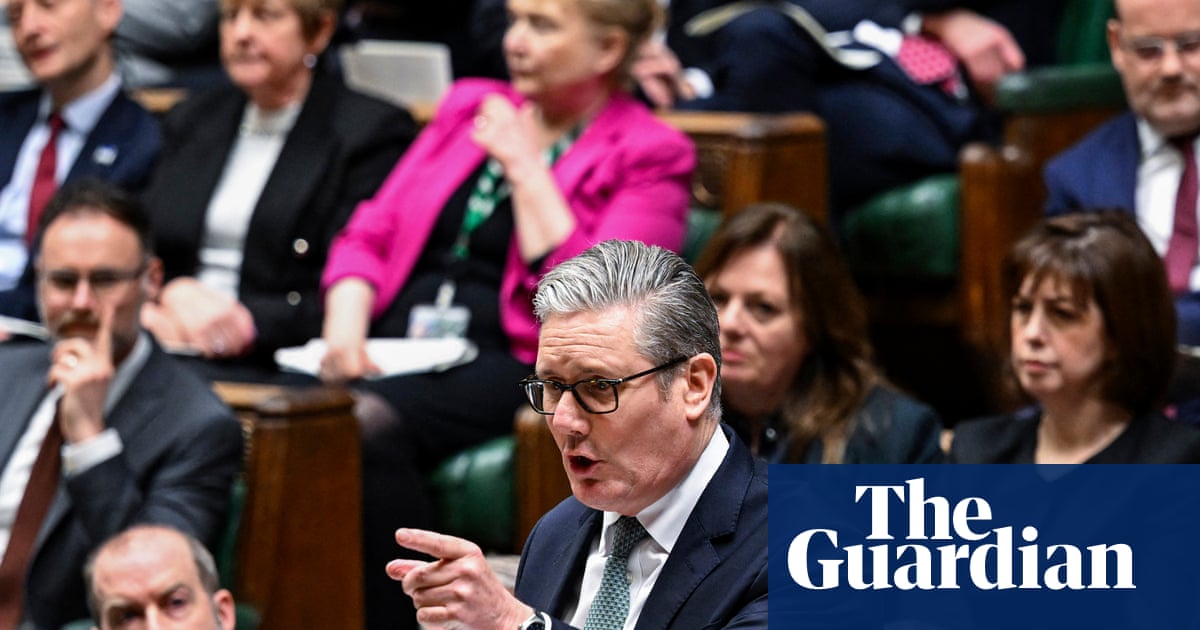
The fact that the PM is a pragmatist, light on ideology, could allow him to forge now essential links with other parties
E
ven before Labour took power, since the first whispers that Keir Starmer wasn’t the Corbyn-in-a-tie candidate his leadership bid had promised, the same argument has been going on among Labour members. Should Starmer be trying harder to include the left flank of the movement? Perhaps he should, at the very least, stop trying to expel them.
The same question informs orientation towards the general voter: should apparatchiks worry less about the threat from Reform and more about the threat from the Greens? What the hell was going on with that “island of strangers” speech? Was Shabana Mahmood brought in on a promise of attacking migrants from every direction, or are at least some of her manoeuvres a surprise? Morgan McSweeney’s animus towards the left had an almost mythic quality, the man trying to keep the cave cosy by putting out the fire; how did he come to be so indispensable that it was only after the downfall of his ally Peter Mandelson that anyone wondered what his politics actually were?
All of these questions are ultimately asking the same thing: should Starmer try to save his skin by feinting left or right? As for Labour, why does it look so aimless, how can it convey its mission rather than merely a list of policies, how can it stop backtracking and how did it achieve this deep, cross-spectrum unpopularity? It always arrives at the same dilemma – do you care about values (left) or do you care about victory (right)? Whenever Reform is riding high, the victory camp get more splenetic: are you seriously saying you won’t just knuckle down, support this party, do whatever it takes to defeat the hard right? It’s like being told off by your mum in a supermarket. Have your tantrum, but not here, not now.