The treasures housed in Taipei are at the centre of a culture war that reflects island’s fractious relations with the Chinese mainland
On October 10, 1925, the Forbidden City in Beijing became the Palace Museum. The massive complex of ancient imperial palaces that was home to the royalty of the Ming and Qing dynasties for centuries became a museum for the people. Today, there are four Palace Museums: the original in Beijing, the National Palace Museum in Taipei, with a Southern branch in Chiayi which opened in 2015, and the Hong Kong Palace Museum which opened in 2022. In this series, we explore the stories behind the centenary and look at how each museum is marking this major milestone.
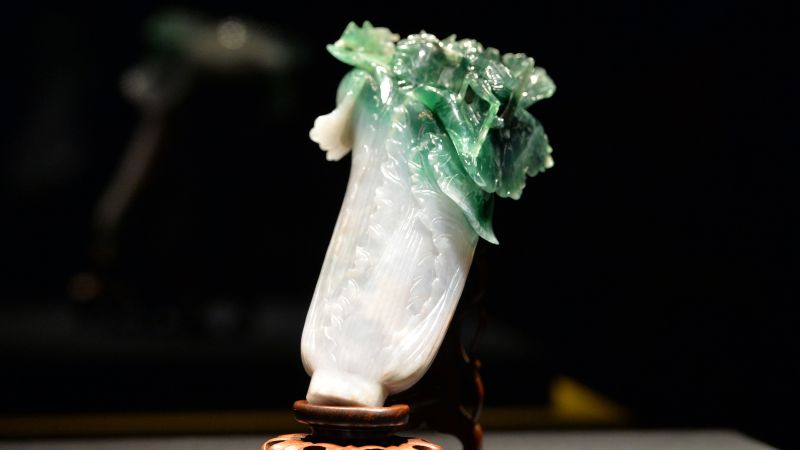
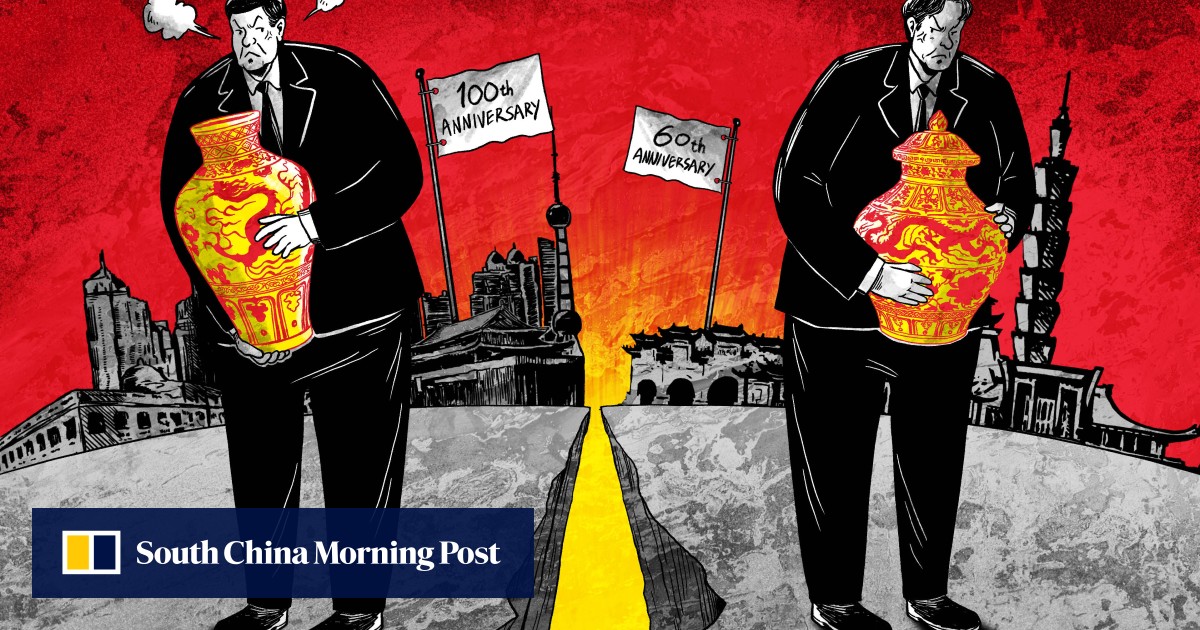
The museum in Taipei has long embodied this conflict between Chinese roots and Taiwan-centric politics. As home to nearly 700,000 masterpieces – including works of calligraphy, paintings, bronzes and ceramics – once housed in Beijing’s Imperial Palace, it represents the very heart of Chinese civilisation.
Yet on an island where the ruling independence-leaning Democratic Progressive Party (DPP) seeks to define Taiwan as being apart from mainland China, the museum is both a symbol of cultural continuity and a lightning rod for political disputes.