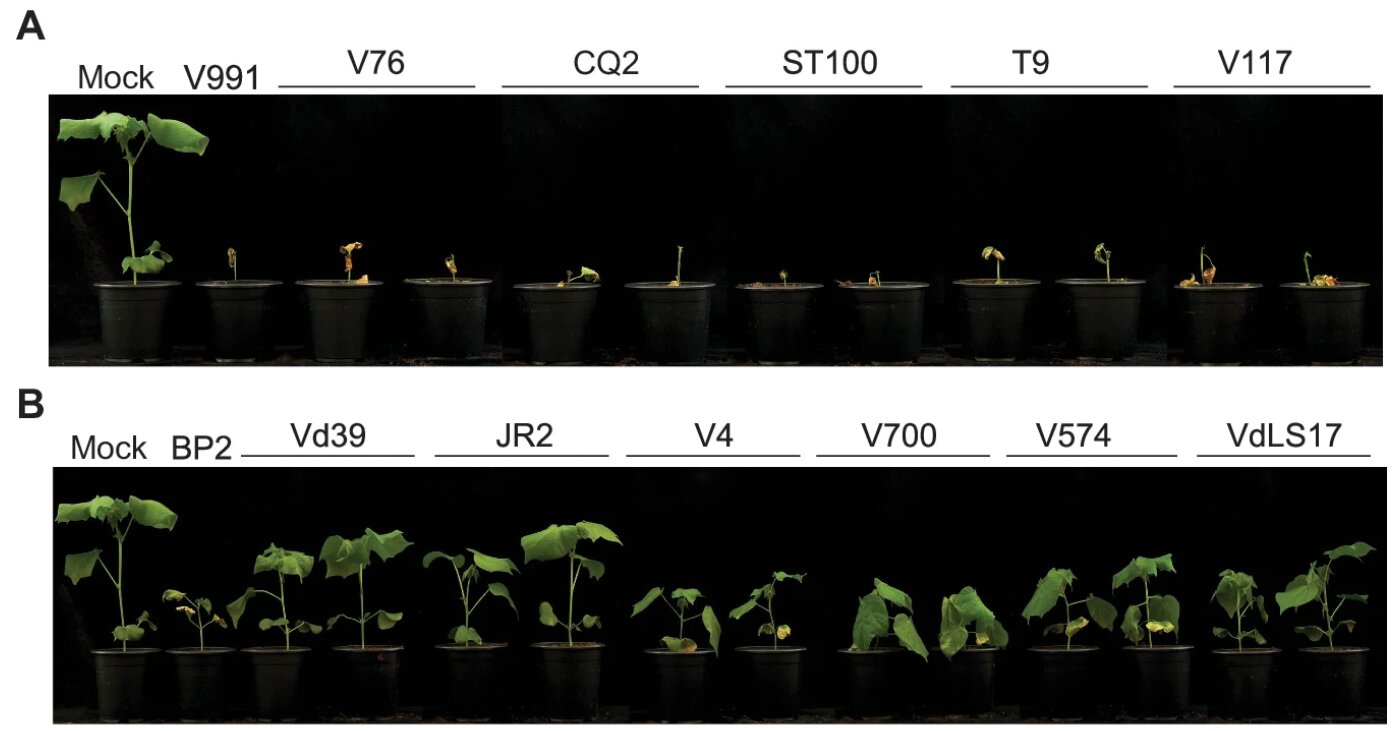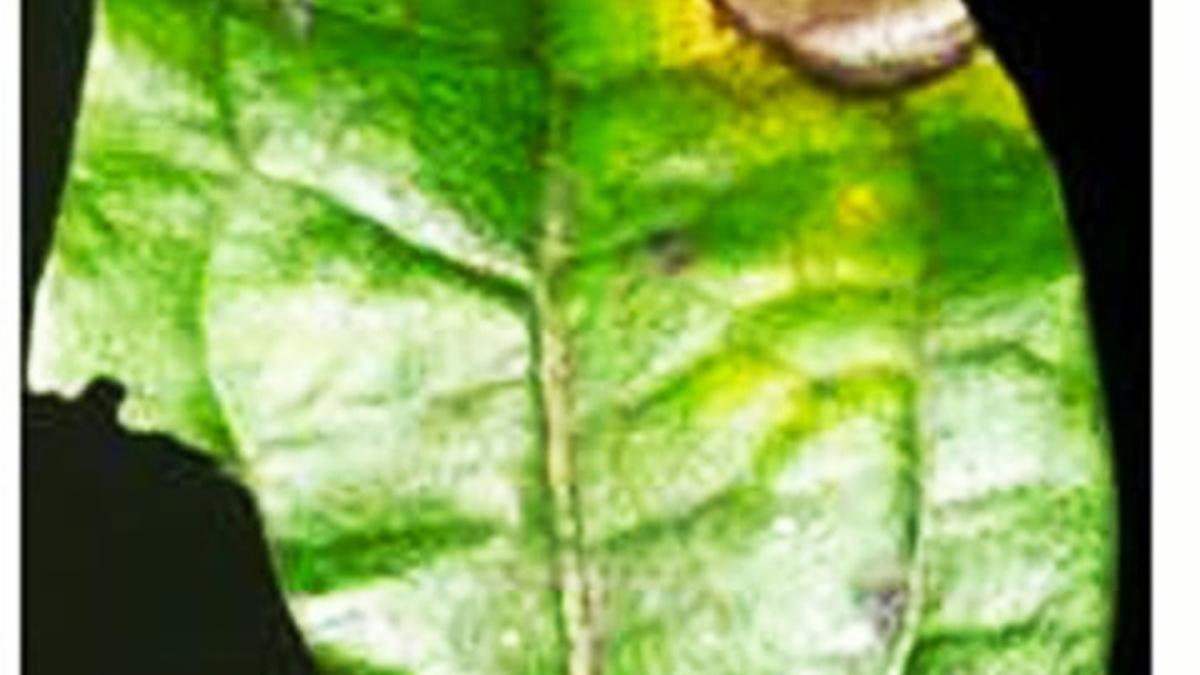
A leaf affected by Paramyrothecium strychni, a new species of phytopathogenic fungus.
Scientists have discovered a new species of phytopathogenic fungus, Paramyrothecium strychni (Ascomycota, Stachybotryaceae), associated with an emerging leaf spots and blights disease of Strychnos dalzellii (Family-Loganiaceae) from Kerala. Strychnos dalzellii is locally known as Kanjiram or Modirakanjiram.Shambhu Kumar, Principal Scientist and head, Forest Pathology Department of Kerala Forest Research Institute along with Raghvendra Singh, Senior Assistant Professor, Department of Botany, Banaras Hindu University, are behind the discovery.This new species has been discovered and established on the basis of morpho-cultural and multigene molecular phylogenetic evidences. According to Index Fungorum, a total of 25 species of Paramyrothecium are recognied worldwide, and most of them are reported as plant pathogens. This research work has been published in Fungal Diversity on September 29, 2025.Medicinal plantStrychnos dalzellii is an endemic medicinal plant of the Western Ghats, categorised under Vulnerable (VU) of the IUCN Red List – valued for its alkaloids with analgesic, anti-inflammatory, and antimicrobial properties. Traditionally, it is used in treating fever, digestive disorders, rheumatism, and nervous ailments. Its pharmacological potential highlights its significance in ethno-medicine, said Dr. Shambhu Kumar.However, due to restricted distribution, habitat degradation, and overexploitation, it faces conservation concerns. It is stated that the species is already under severe threat from overexploitation and habitat loss, and the emergence of this new biotic threats highlight the urgent need for conservation efforts to safeguard and restore its declining population.The scientists have identified the fungus as well as the plant through polyphasic approach, marking the first global record of this fungal species, he noted.Kerala’s fungal biodiversity“This research emphasises Kerala’s fungal biodiversity, adding to the taxonomic knowledge of foliar fungal pathogens in this biodiversity-rich region. The discovery of P. strychni as a pathogen on S. dalzellii highlights the need for ongoing surveillance in Kerala’s biodiverse regions to detect new fungal threats. This precise identification aids in tracking disease spread and in formulating targeted management strategies to reduce the impact on health of C. Strychni plants, supporting conservation and sustainability,“ Dr. Shambhu Kumar pointed out.Species of Paramyrothecium mostly causes leaf spots and blights in all kind of plants. The disease can be overcome by pruning and removing of infected leaves in early infection stage to reduce the source of infection. Some biological preventive solutions are available in the market which can be used for control of this disease.In severe cases, fungicides may be very effective for the control of Paramyrothecium leaf spots and blights. Additionally, it has been previously reported that some species of Paramyrothecium produces secondary metabolites with bio-herbicidal potentials. Hence, further research is needs to be taken on host ranges, epidemiology, host-pathogen interactions, integrated management and bio-potential of this pathogen, Dr. Shambhu Kumar said. Published - October 08, 2025 05:35 pm IST