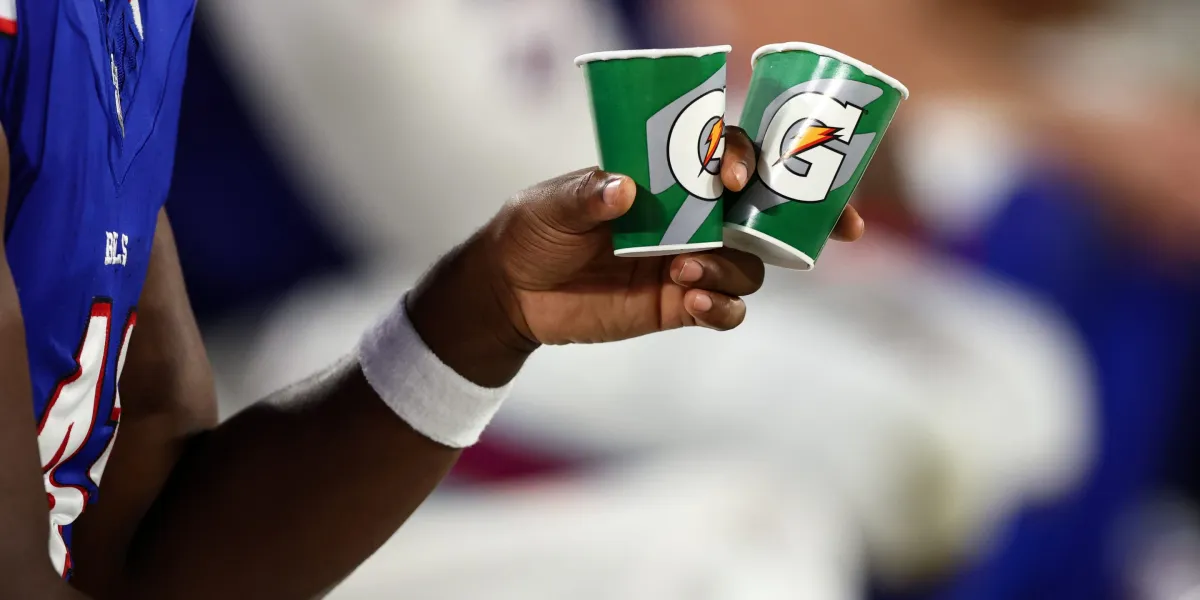
“We take pride in the science,” says Krishnan as he gives Fortune a tour of the Gatorade Sports Science Institute in Valhalla, N.Y., 30 miles north of New York City. At that research facility, athletes are evaluated using treadmills, glucose monitors, and other technology for how much their sodium levels vary and how quickly the electrolytes and sodium in Gatorade work to replenish them.
Krishnan, a nearly 20-year PepsiCo veteran who was appointed to the North American beverage job in early 2024, has taken the reins of a yearslong effort to return Gatorade, the original bright-colored sugary sports drink, known for its orange thunderbolt, to growth. The Gatorade overhaul has included some new items focused on protein and a bigger push for alternative versions of the product such as powdered Gatorade. The latest addition: Gatorade Lower Sugar, which will hit stores in early 2026. It has 75% less sugar than traditional Gatorade, and boasts that it has no artificial flavors or sweeteners.
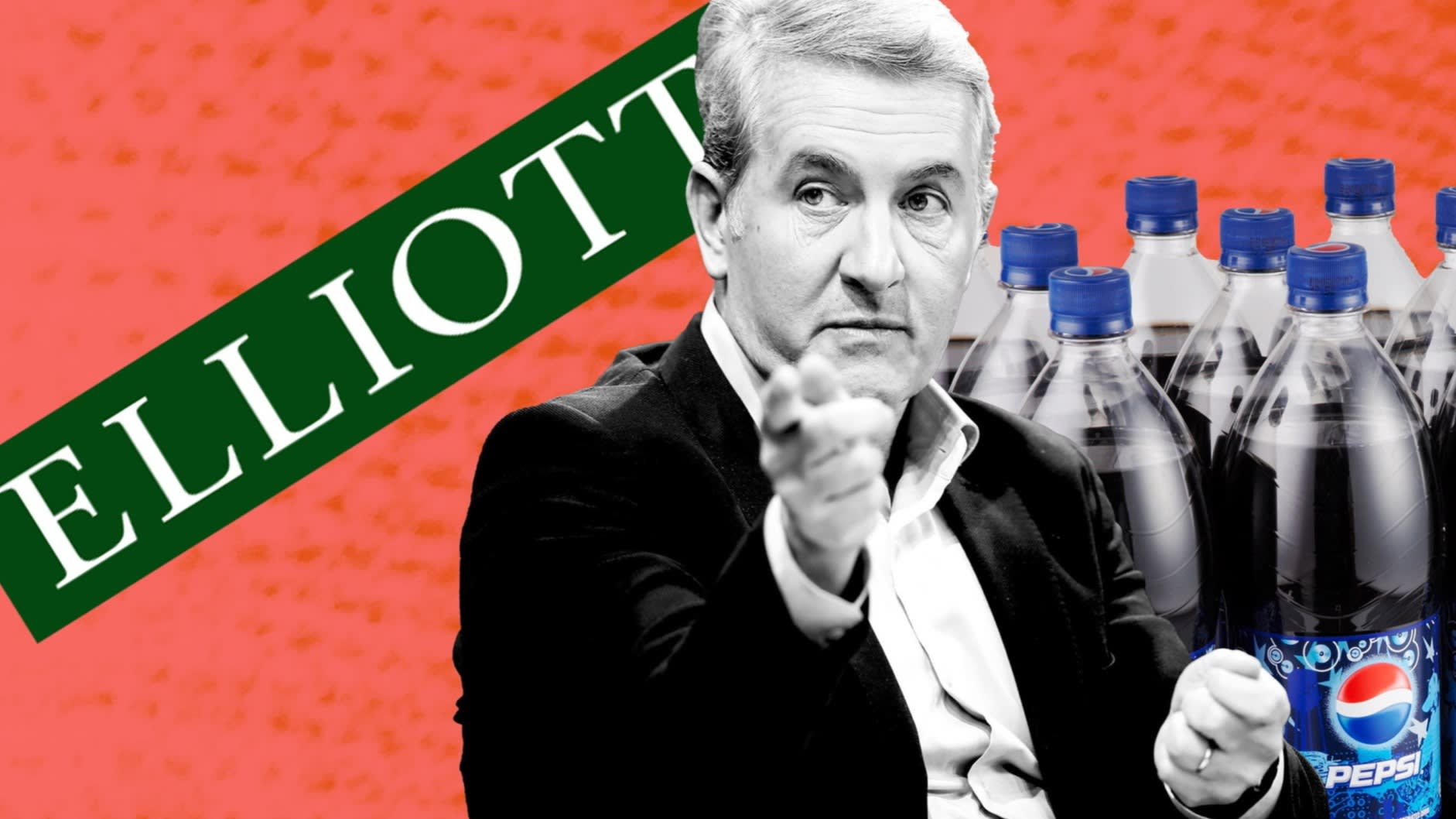
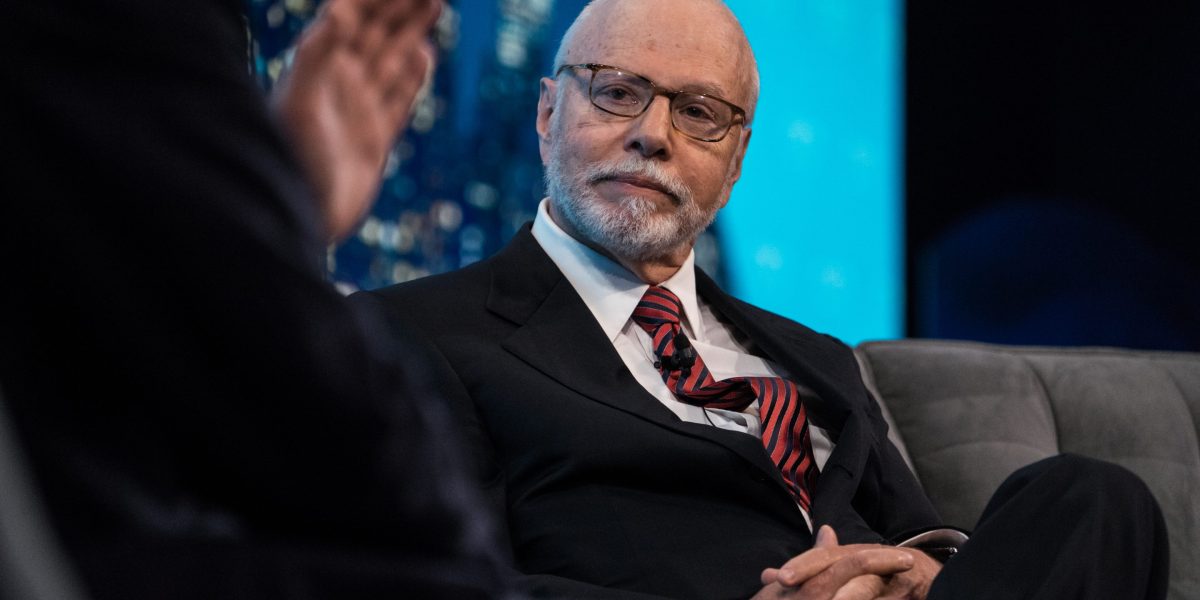
The stakes are high for PepsiCo: With $29 billion a year in revenue, North America Beverages is the food-and-beverage giant’s single biggest division. And Krishnan is facing intense pressure to make bold changes not just at Gatorade but across the beverage portfolio: In early September, activist investor Elliott Management took a $4 billion stake in PepsiCo, which it called a “dramatic underperformer,” and sent an open letter outlining ways PepsiCo could improve growth and profitability. Elliott took aim at PepsiCo broadly and zeroed in on PepsiCo’s North American beverages business (PBNA), saying: “despite its strengths, PBNA has underperformed its peers for more than a decade on both growth and margins.”