Share to FacebookShare to XArticle printing is available to subscribers onlyPrint in a simple, ad-free formatSubscribeComments: Zen reading is available to subscribers onlyAd-free and in a comfortable reading formatSubscribeOctober 06, 2025The enduring works of war and genocide shape how we remember and how we recognize the lives behind the suffering. Works like Iris Chang's "The Rape of Nanking," Primo Levi's "If This Is a Man," and Svetlana Alexievich's "Voices from Chernobyl" stand as documents and testimonies. They capture catastrophe to leave behind a permanent record. Art Spiegelman's "Maus" extended this tradition into graphic form, showing how art can carry memory across generations.In the NewsIsrael to Perform at Eurovision Final Day After 'No Stage for Genocide' ProtestThe Jewish Lawyer Who Took on Henry Ford, and the Antisemitic Machine Behind Him'Roald Dahl Probably Wouldn't Like a Jew Like Me. I Still Read Him to My Son''The Best Song in the World': In Her New Album, Hila Ruach Lets the Light In'There Is an Enormous Desire to Play Wagner in Israel'Remembering and rebuilding two years laterICYMIThe Hasidic Jews Behind Florida's Giant Golden Trump StatueStarlink Users, Beware – Israeli Tech Can Reveal Your IdentityIt Wasn't Just Revenge That Israel Was After in GazaIsraeli Artists Slam Venice Biennale Participation: 'Again, Israel as a Victim'Trump Collides With Reality in Latest Iran StandoffIsraeli Teens Storm Muslim Quarter in Old City, Haaretz Reporter Attacked
Visual chronicle of genocide, encounter with 'the West,' and Jewish brigade's loyalties
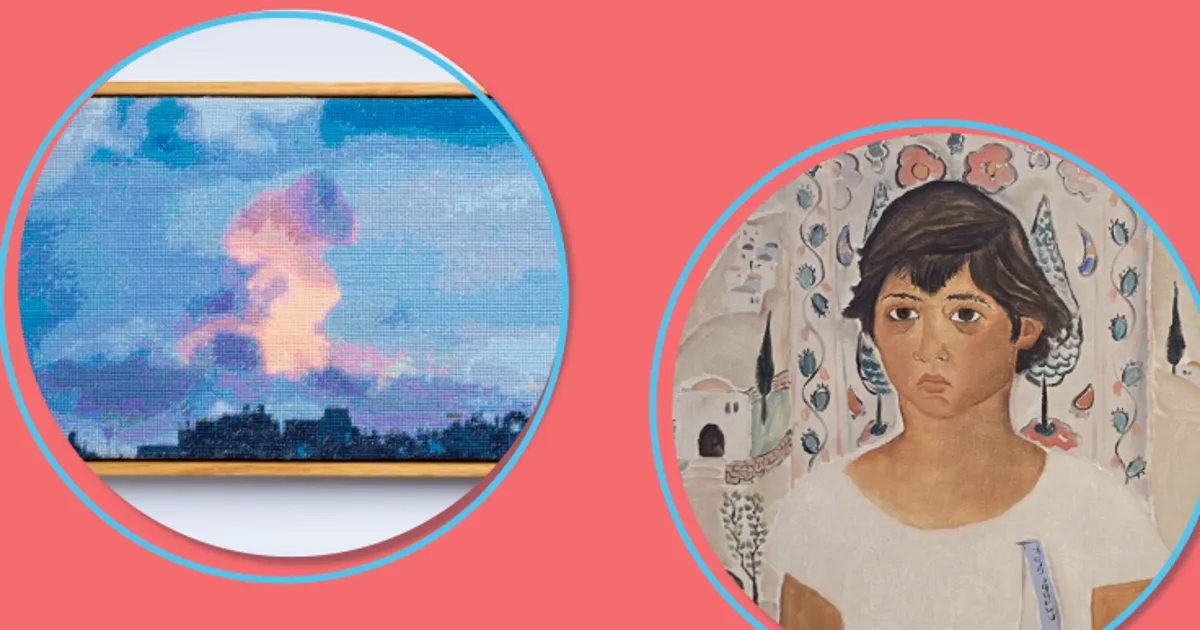
Our October Reading Picks: Mohammad Sabaaneh Captures the Catastrophe in Gaza in His Drawings; Georgios Varouxakis Shows That the Term 'The West' Is Neither Timeless nor Natural; and Shlomo Shamir's Partial Memoir Contemplates the Double Life of Volunteers in WWII's Jewish Brigade
226 words~1 min read