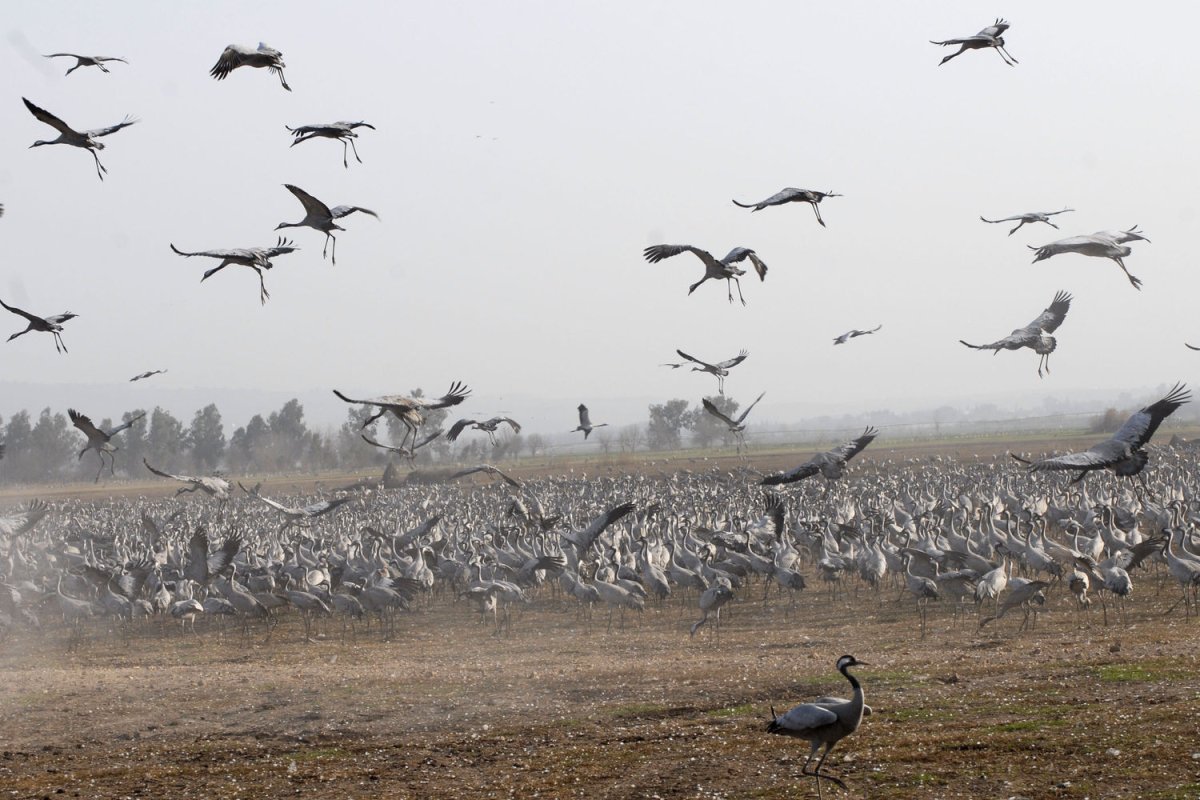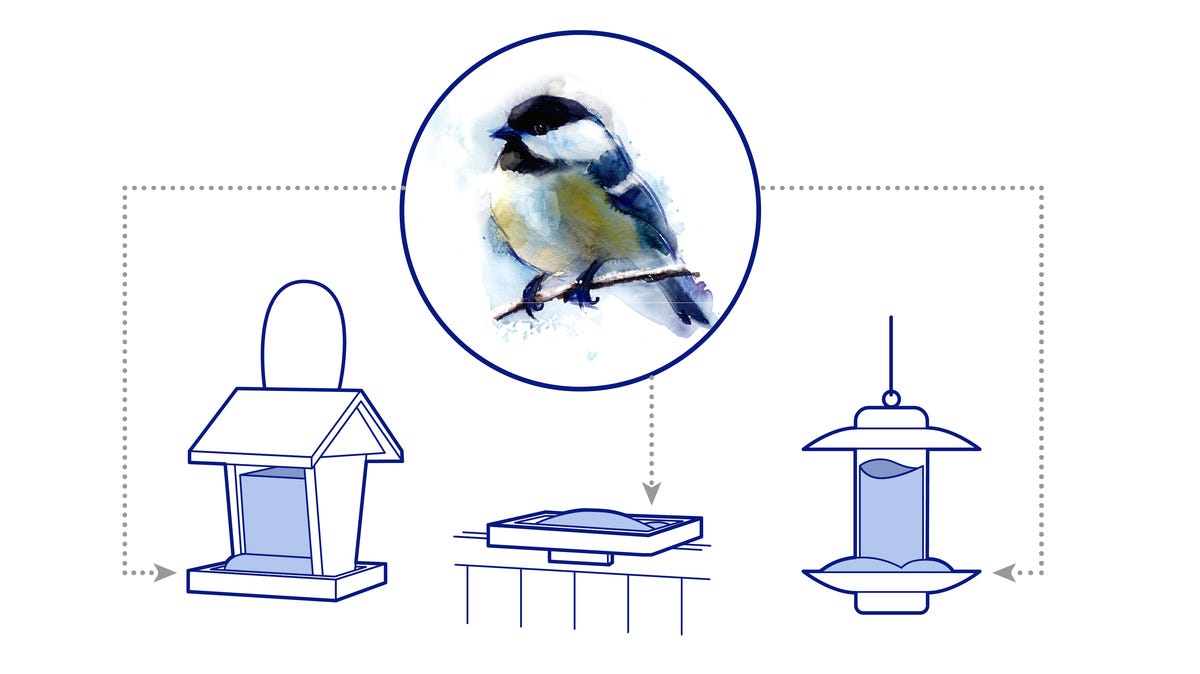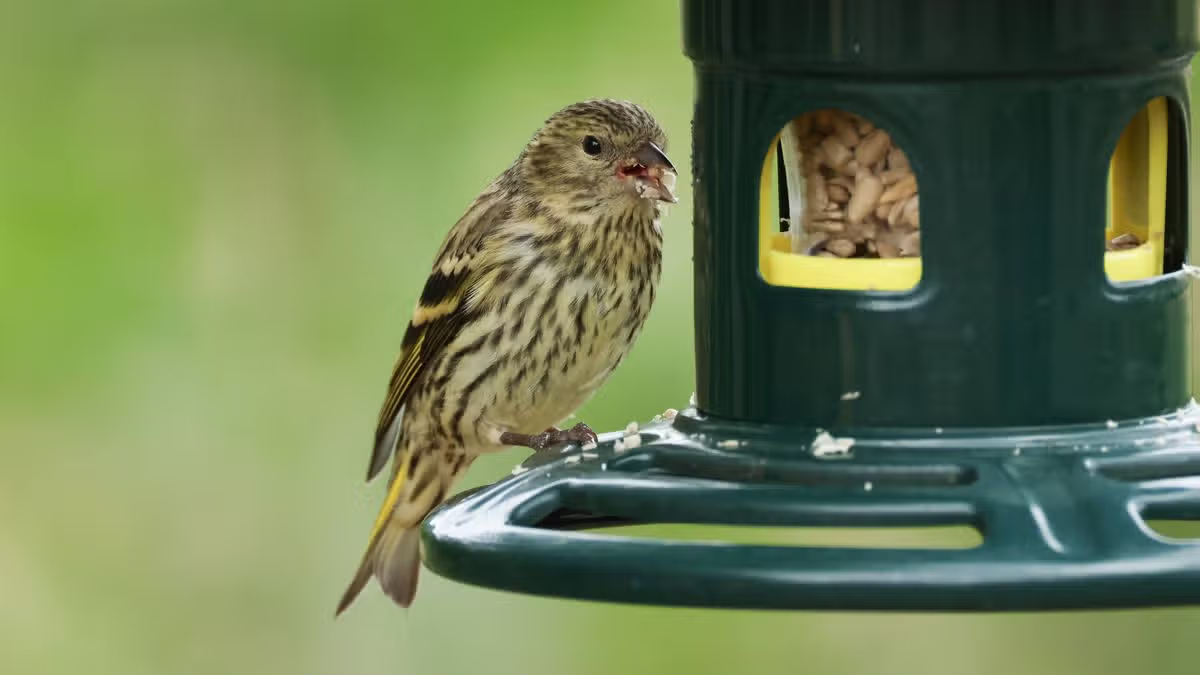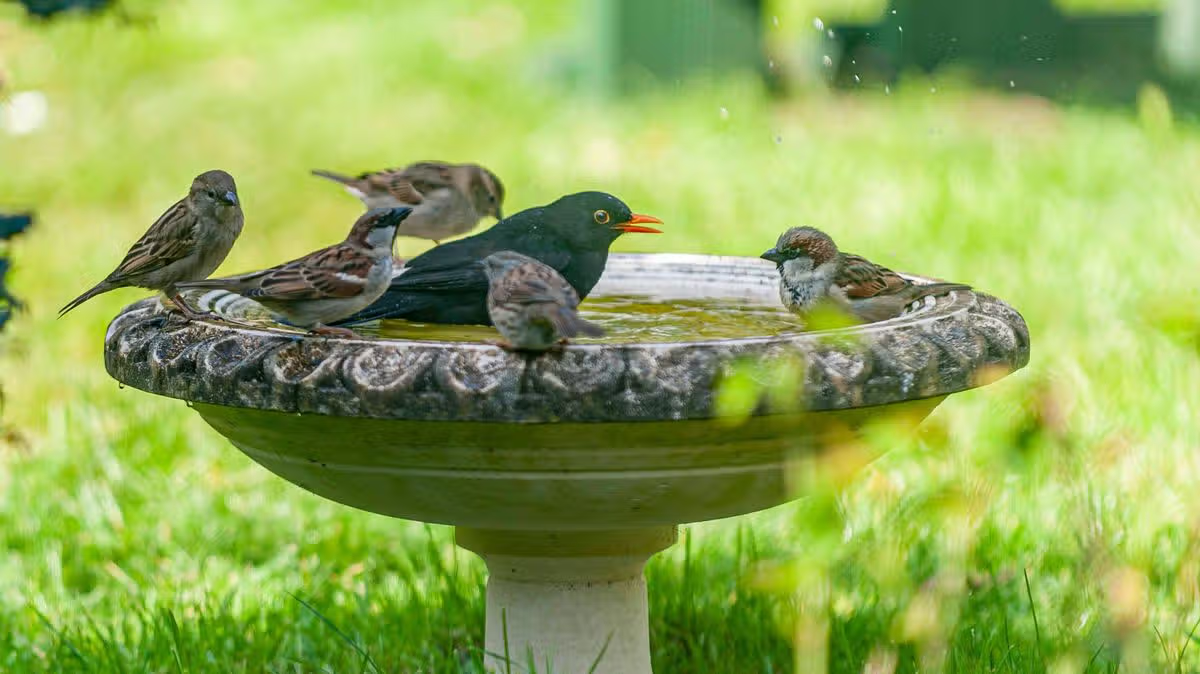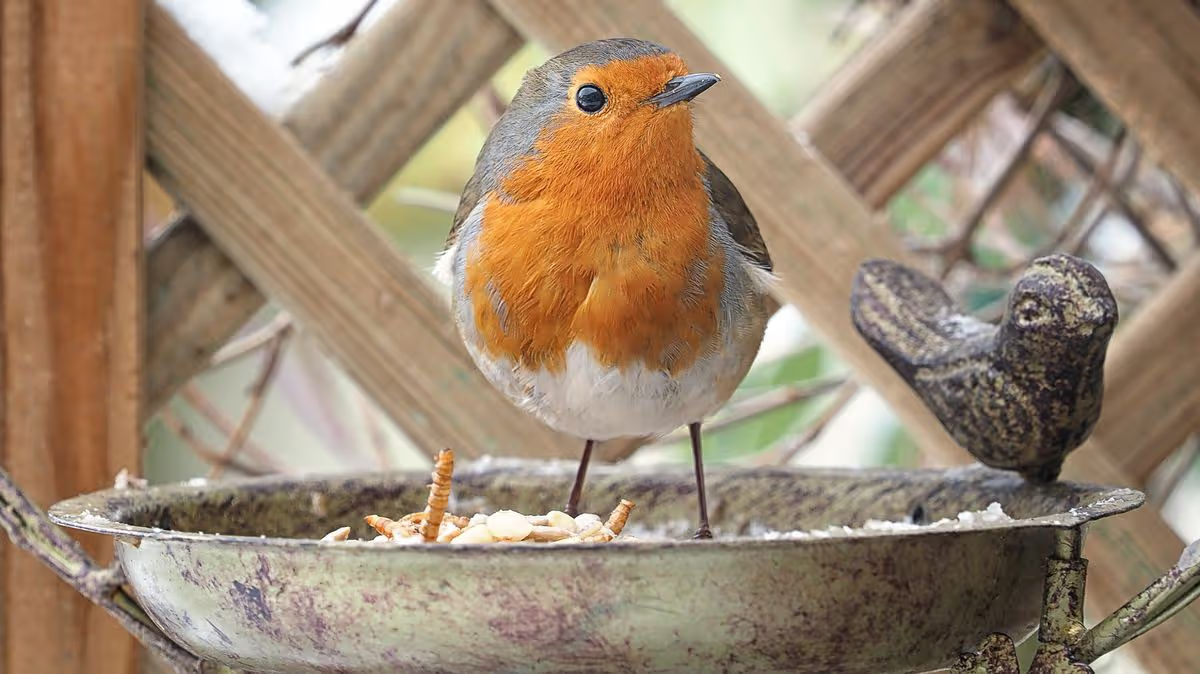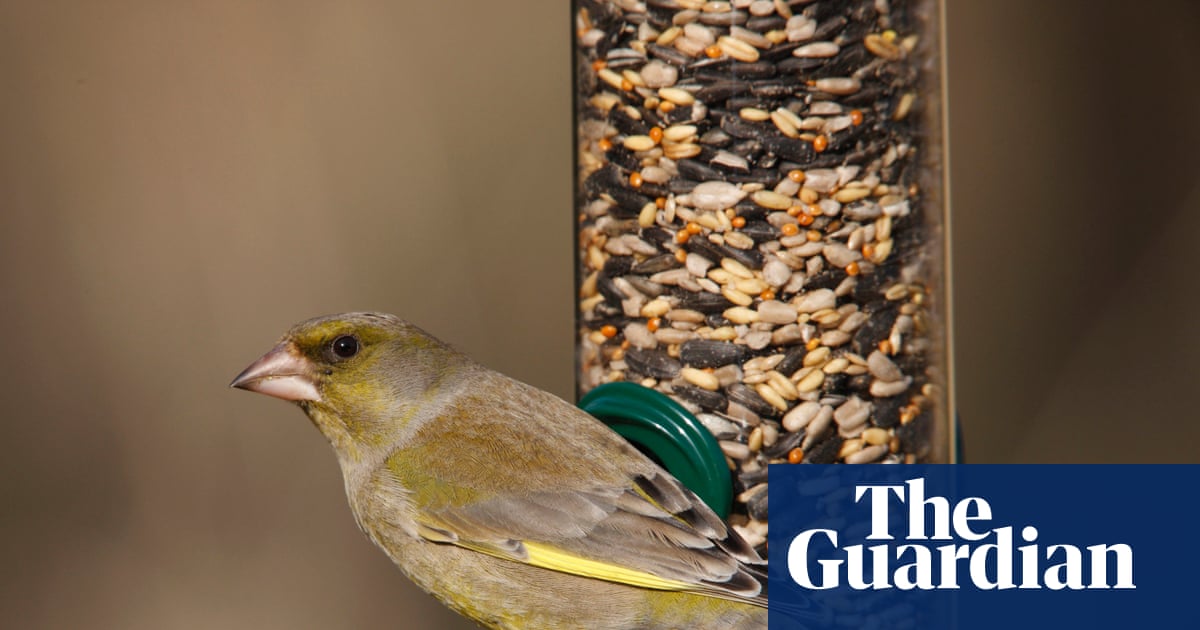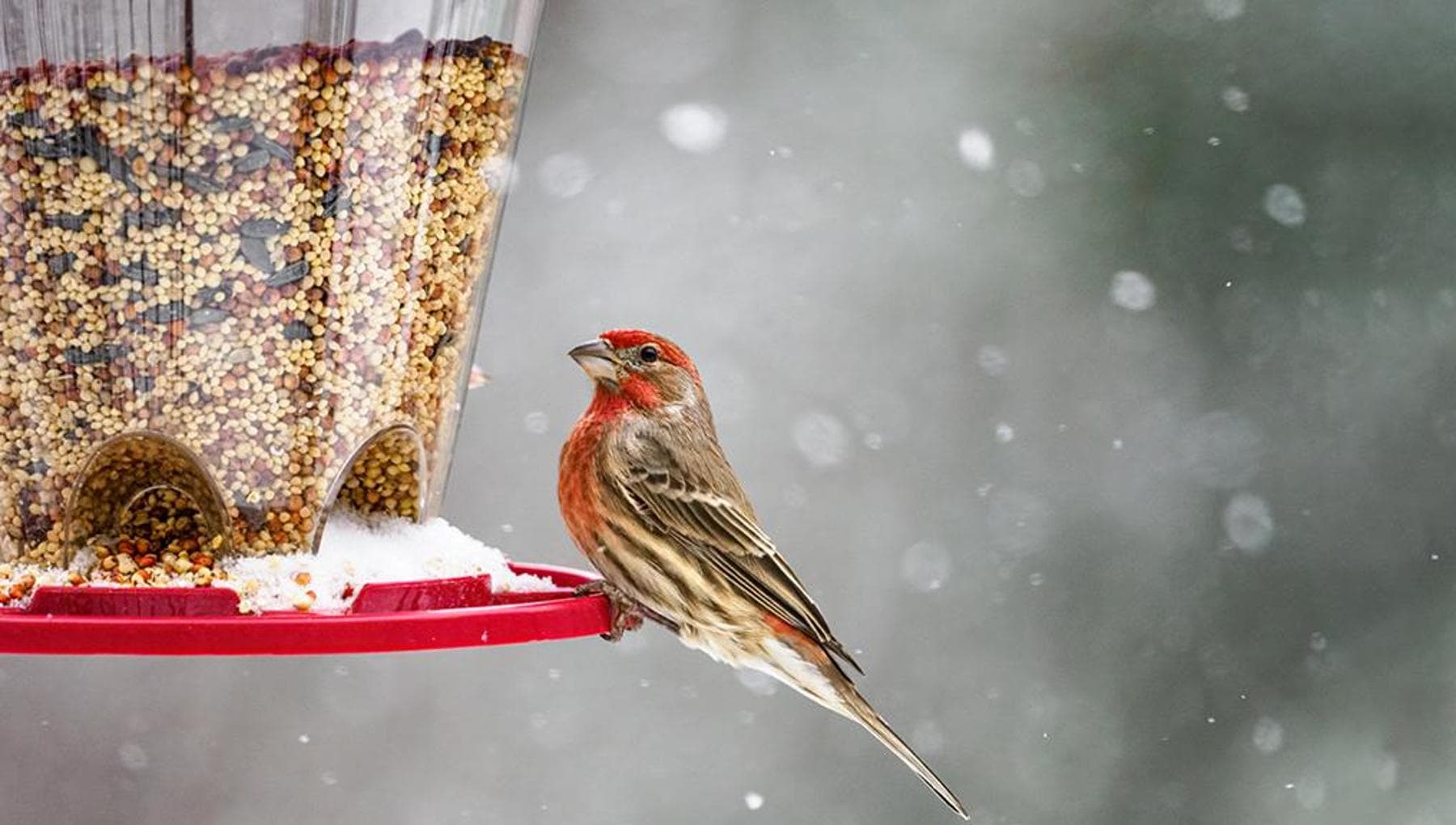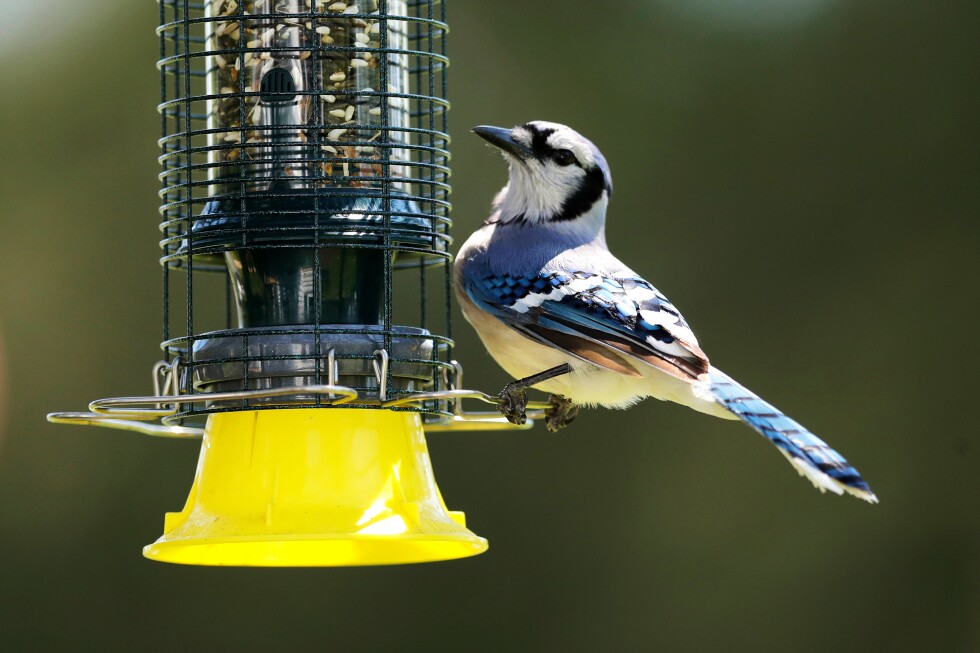
I just cleaned out and filled a couple of birdfeeders to help my migrating backyard buddies fuel up for their long journeys south. And I’ll keep it well-stocked with high-energy seed mix throughout winter to feed the non-migratory birds that tough it out until spring in my suburban New York garden. After all, it’s now, when the garden is slowing down, that birds need us the most. Providing sustenance is one of several ways that we can support them.When selecting road food (sky food?) for birds, I always seek out options that provide high-quality sources of fat and protein, like unsalted peanuts, black-oil sunflower seeds and suet, which are cakes made from animal fat, seeds, grains and mealworms. I’ll also whip up a batch of sugar-water “nectar” for migrating hummingbirds by dissolving 1 cup of white sugar in 4 cups of boiling water, then allowing it to cool.All this is to supplement the buffet of seeds and berries that my perennials, shrubs and trees will naturally provide.
Let some perennials remain as food, habitat, visual interestI’ve long ago abandoned the idea of a tidy winter garden, instead leaving most of my perennials, many of them natives, standing until spring. The plump seeds hidden in their faded flower heads will also feed the non-migratory birds that rough it out here over the winter, when other food sources are scarce. The asters, coneflowers, black-eyed Susans, goldenrods and ornamental grasses will soon be dry and crispy, but they will continue to serve the garden and its inhabitants for months.So will the berries nestled between the spiky leaves of my American holly bush, and those clinging to soon-to-be bare viburnum and dogwood branches. With any luck, nuts will fall to the ground encased in their “pinecone” packages, although I suspect this may be an off year for my Norway spruce.