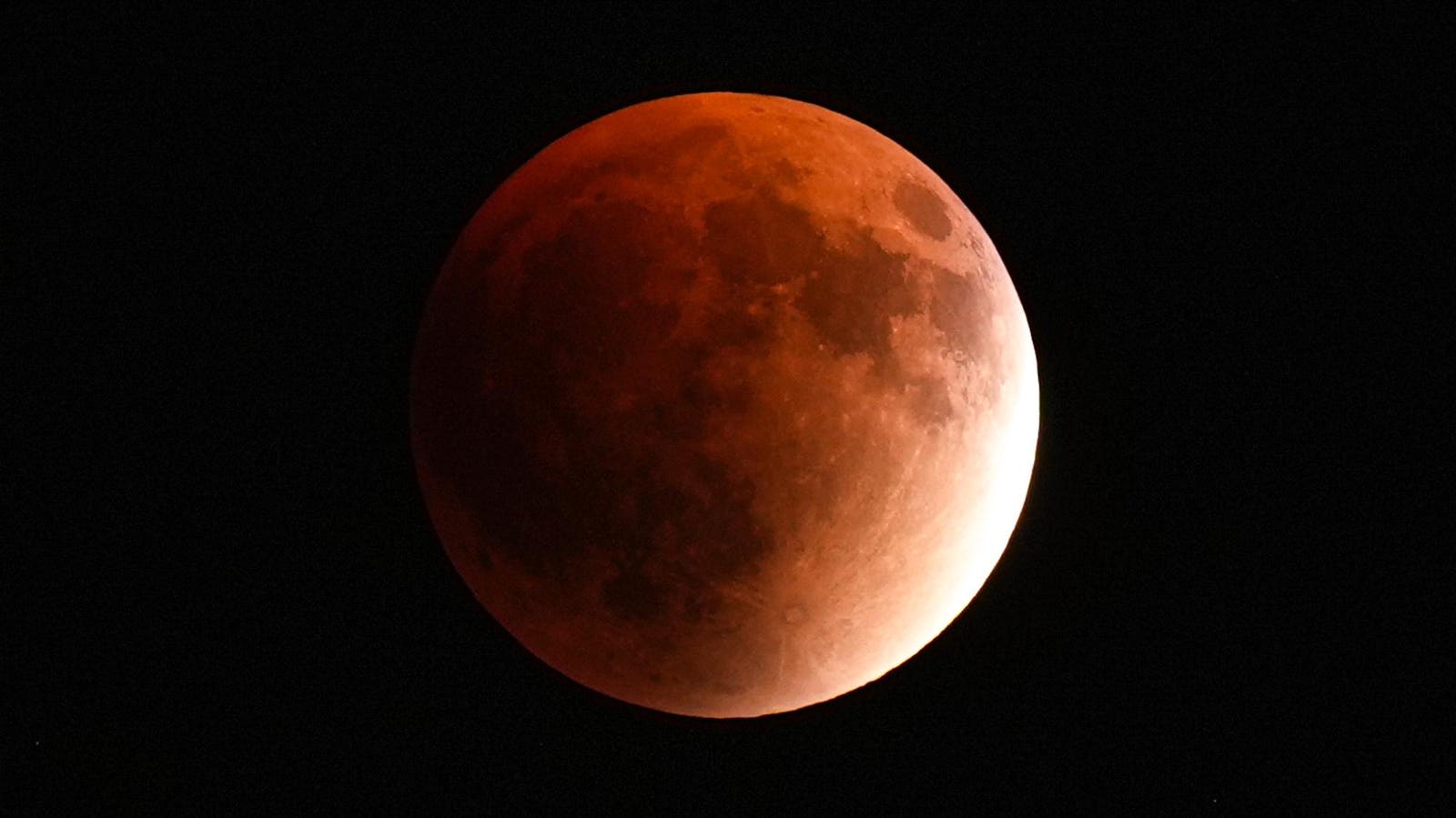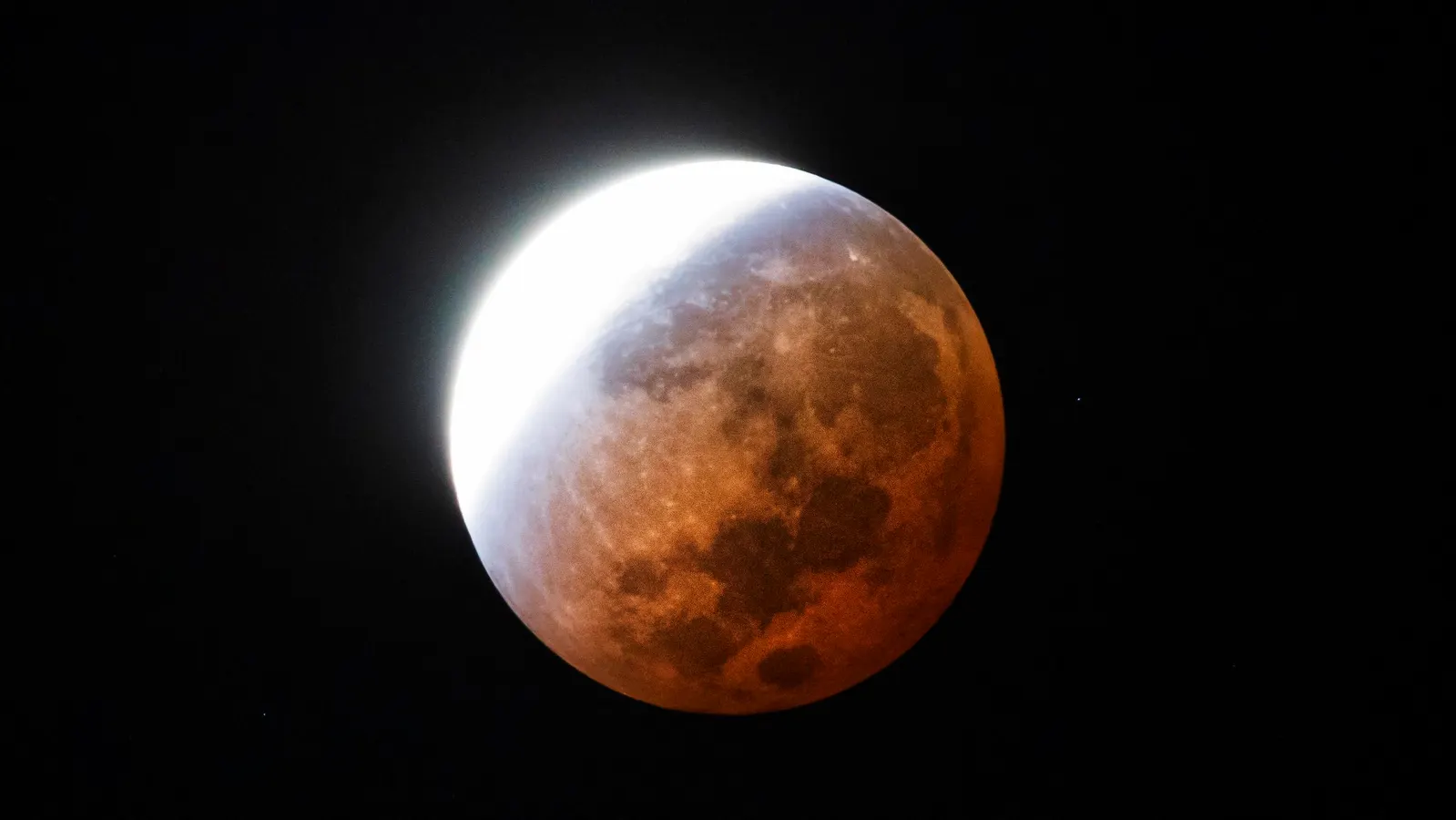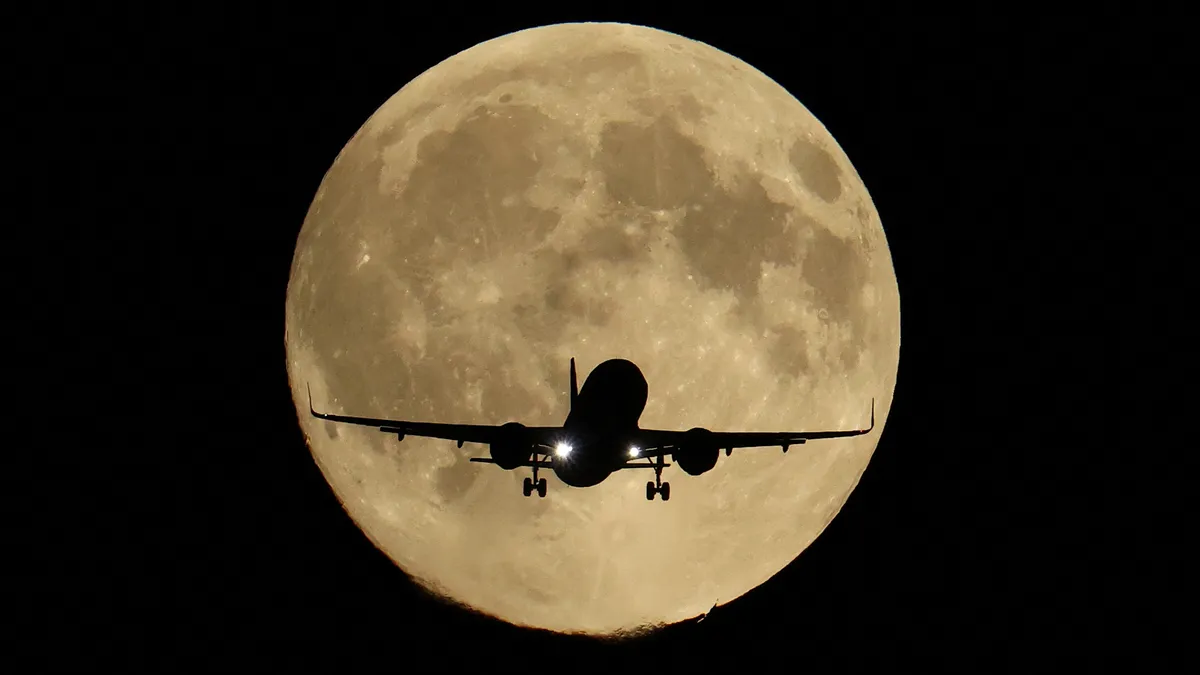
A full moon and rising sea levels bring higher tides and scattered coastal flooding on East and Gulf coasts.Show Caption
From Corpus Christi to Cape Cod, high tides are forecast to be higher than normal through midweek in scattered locations along the coast, thanks to the full moon that brings in some of the highest tides of the year.Many National Weather Service offices along the Gulf Coast and Eastern seaboard have advisories or warnings in place for minor or moderate flooding from the high tides, as well as strong onshore winds in some locations and storm systems that could develop later in the week at other locations.These high tides, sometimes called king tides, occur during full moons a few times a year in the fall on the East Coast. But these seasonal high tides cause flooding more often in some locations as sea levels rise and the land subsides, according to federal tide data.Hoping to document this trend, non-profits and local governments around the country encourage residents to snap and share photos of coastal flooding in their communities. Similar high tides also are expected with full moons around Nov. 4 through 9 and Dec. 3 through 6, according to the National Oceanic and Atmospheric Administration.Coastal flooding forecastsModerate flooding is possible this week along Florida’s Southeast coast, according to the South Florida Water Management District. In the Florida Keys, only minor flooding is expected through the middle of the week. High tide flooding was reported on Oct. 6 in Palm Beach and Miami.High tide flooding also is possible on Central Florida's east coast and expected in low-lying areas in St. Augustine in northeast Florida, the city said.In South Carolina, the city of North Myrtle Beach warned the highest tides would occur through Oct. 10, peaking on the morning of Oct. 9. Widespread flooding is not expected, but the city encouraged homeowners in flood-prone areas to secure furniture and garbage cans and to use caution driving through flooded streets.At sites along the Maryland coast, flooding could be enhanced by an approaching low-pressure system, the weather service warned.Northerly winds are expected to prevent flooding earlier in the week along the Massachusetts coast, but if the winds change by mid-week, minor flooding could occur along parts of the Cape Cod Bay and Nantucket, depending on an approaching cold front, the weather service said.The Rhode Island Coastal Resources Center advised tides could be a foot higher than normal and urged Rhode Islanders to share photos of the tidal impacts on the MyCoast app. Spotty, minor coastal flooding also could occur in New York, according to the state's weather service region.A coastal flood advisory is in effect for bays and islands along the middle Texas coast, and the effects of the full moon will be felt for another three days, the weather service in Corpus Christi said on Oct. 6. Tidal conditions also will promote a higher risk of rip currents, causing dangerous swimming conditions. Driving could be impossible along beach roads, the weather service said.On the northwest Pacific coast, the highest tides of the year are expected to begin during November’s full moon, according to the Oregon King Tides Project.What causes 'king tides?'Tides are long-period waves that get pulled back and forth in response to the earth's position in relation to the moon and sun. King tides, also known as perigean spring tides, occur during a full moon when the Earth, moon and sun move into a straight line, creating a strong gravitational pull on the ocean, according to NOAA.Because the moon is closer, it plays an outsized role on this interaction. Once every 28 days, the moon reaches its closest approach to Earth, and on that day the gravitational pull is the strongest and tidal forces are greater than usual, according to NOAA. Other weather-related factors can also influence high tides, including storms and erosion.What role is sea level rise playing?Scientists attribute a marked increase in high tide flood days in the United States to rising seas levels.The annual frequency of high tide flooding is more than twice what it was in 2000, NOAA has reported. In some locations, the withdrawal of groundwater also is causing land to sink, which enhances the effects of rising sea levels, studies have found. The rate of sea level rise fluctuates along coastlines, under the influence of other ocean and climate patterns, such as El Niño and La Niña."We're expecting to see an increase in these high tide flooding days throughout the rest of the century," said Tom Di Liberto, a former NOAA meteorologist, now with the nonprofit research organization Climate Central.Communities that are already low-lying and flood first will be among those to flood more often, Di Liberto said.A "pretty drastic increase" could occur in some places on the East Coast and the Gulf Coast, from an average of 5 to 10 days of high tide flooding a year to 30 days per year, even by the middle of the century, Di Liberto said. "During the king tide season, which happens in a lot of places from September to November, you would see just continuous days of potential flooding."It's important to note that NOAA's forecasts are based on intermediate scenarios and not the most extreme projected scenarios available, he said.Citizen scientists can help document high tidesThe city of Miami Beach warned king tides are expected through Oct. 12. “Please stay away from floodwaters,” the city states. The city also asked residents to send photos to flooding@miamibeachfl.gov or to report flooding by calling the city or using its app,The North Carolina King Tides Project is part of an international citizen science effort to get the public involved in keeping track of high astronomical tides and coastal flooding events.Residents in several states along the coast can participate in sharing photos and observations at "My Coast."New Englanders can participate in a king tides project for Boston and the Northeast here.Tips for driving when coastal streets are floodedWeather service offices around the country offer these tips:Salt water can damage your vehicleDriving around barriers is dangerous because they could be blocking unseen dangersSwiftly moving water only inches deep can carry a vehicle awaySpeeding through a flooded area causes wakes that damage propertyIf traveling along the coast, allow extra time for flooded road closuresSee king tide flooding in Oregon in January 2024Dinah Voyles Pulver, a national correspondent for USA TODAY, covers climate change, weather, the environment and other news. Reach her at dpulver@usatoday.com or @dinahvp on Bluesky or X or dinahvp.77 on Signal.