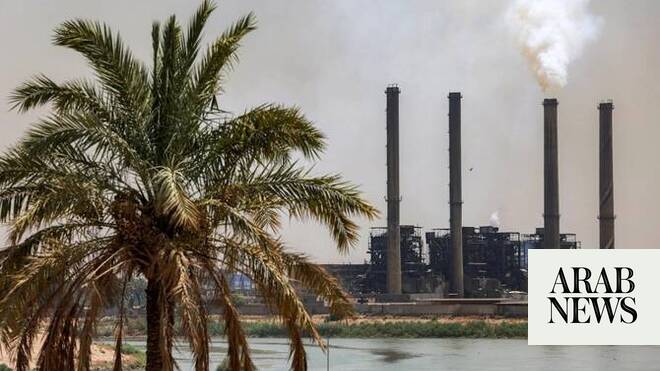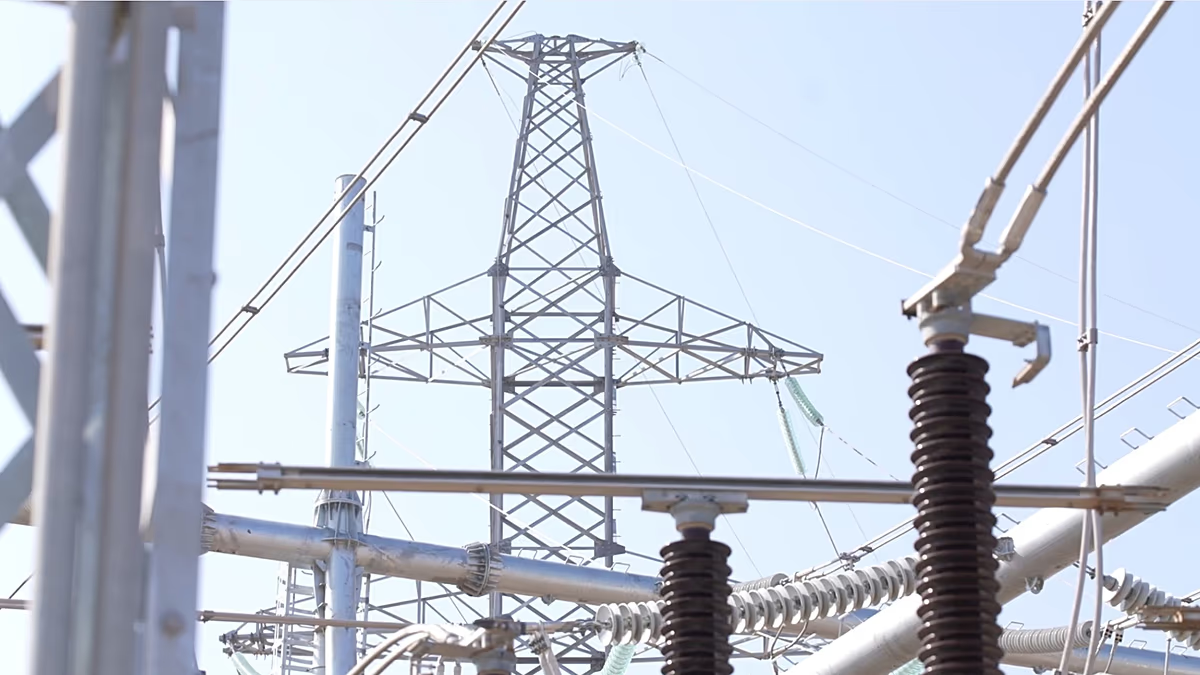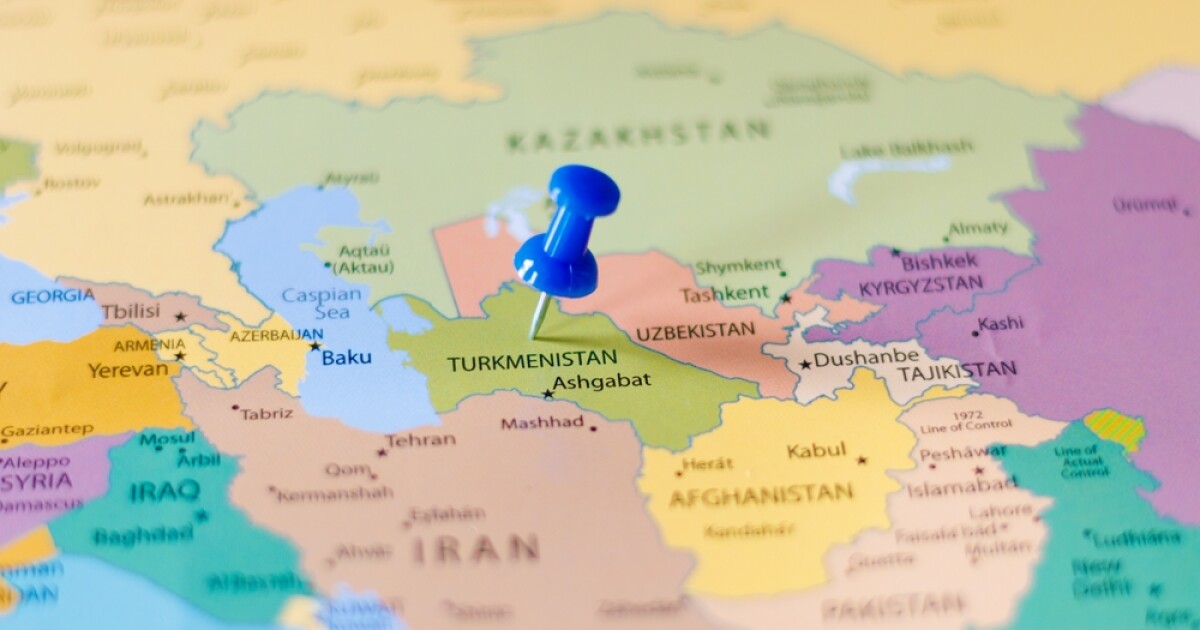
As the global gas market grows increasingly competitive, traditional hydrocarbon exporters face mounting pressure to rethink how they generate value from natural gas. The rise of new LNG suppliers, expanding pipeline infrastructure and the accelerating shift toward renewable energy have reshaped the energy landscape, especially for landlocked nations such as Turkmenistan and Uzbekistan.For Turkmenistan and Uzbekistan, geographic isolation and geopolitical constraints make gas export diversification difficult, forcing a strategic redefinition of the role of natural gas in their economies. As an alternative method of monetizing its gas supplies, a number of exporting countries have launched projects in the petrochemical, fertilizer and gas-to-liquids (GTL) domains, bringing higher return on investment and circumventing financial and regulatory export barriers. Others have tried to redirect gas usage to more lucrative areas such transport and put a bet on renewables to substitute gas in the power-generation sector.Turkmenistan: From Pipeline Dependence to the Gas-Based IndustryTurkmenistan remains one of the world’s most gas-dependent economies, yet its export options are constrained by geography and politics. With China absorbing majority of its gas exports, Ashgabat’s economic stability is linked to a single client. Lacking access to LNG infrastructure and alternative premium clients, Turkmenistan has turned toward domestic gas monetization through value-added industries. Recent years have seen a push into petrochemicals, fertilizers and GTL projects. These industries not only generate higher returns but also bypass the regulatory and financial barriers associated with cross-border gas trade. Fertilizer production, in particular, offers a competitive edge. Natural gas accounts for up to 85%–90% of ammonia production costs, and with extraction costs around $25-$30 per thousand cubic meters, Turkmenistan can produce fertilizers well below global market prices. This allows Turkmenistan to expand export of ammonia and urea — commodities far less logistically and politically constrained than pipeline gas.Uzbekistan: From Pipeline Exports to GTLUzbekistan’s experience contrasts sharply. Once a significant gas exporter, the country has seen production fall from 66.8 billion cubic meters in 2008 to below 45 Bcm in 2024. Oil output has halved to just 40,000 barrels per day since 2008. An energy shortage is forcing Tashkent to rely on imports. In 2024, the cost oil and petroleum product imports alone climbed by 22.2% to $1.97 billion. Uzbekistan’s total energy imports last year increased by over 50% to $3.95 billion — including a more than twofold increase in gas imports from Russia and Turkmenistan, reaching $1.67 billion in 2024 — widening the country’s trade deficit to over $12 billion. This dependency has triggered a strategic rethink. Rather than viewing natural gas purely as an export commodity, Uzbekistan is increasingly treating it as a domestic value driver — a feedstock for petrochemicals and fertilizers and a substitute for costly petroleum imports.Transport: Replacing Petrol and Diesel With Gas and ElectricityThe transport sector has emerged as the most immediate and economically viable arena for gas monetization. With over 70% of Uzbekistan’s vehicle fleet already running on propane or methane, compressed natural gas and LPG fuels have substantially reduced the country’s reliance on imported petrol and diesel. The government’s parallel push for transport electrification further reinforces this shift: In 2024, imports of electric and hybrid cars surpassed gasoline vehicles for the first time. Meanwhile, the BYD–UzAuto joint venture, launched in June 2024, aims to produce 50,000 electric and hybrid vehicles annually, marking a milestone in Uzbekistan’s industrial modernization.Power Generation: Freeing Gas for Transport and PetrochemicalsGas still dominates Uzbekistan’s electricity generation, accounting for more than 80% of the energy mix. But as demand is expected to rise by 60% by 2035, the government is betting on renewables to relieve pressure on domestic gas supply. President Shavkat Mirziyoyev’s ambitious goal to increase Uzbekistan’s renewables’ share to 54% by 2030 (up from a previous 40%) seeks to redirect scarce gas resources from power generation to higher-value industrial and transport uses.Industrial Strategy: From Export Volumes to Economic MultipliersUzbekistan’s industrial policy illustrates this evolution vividly. The Uzbekistan Oltin Yo’l GTL plant, launched in partnership with Sasol, converts 3.6 Bcm of gas (roughly 8% of Uzbekistan’s total gas output) annually into 37,000 b/d of diesel, kerosene, naphtha and LPG. While this reduces gas volumes available for export, it significantly boosts more profitable industries at home and reduces the demand for imported fuel. The country has also modernized its Navoiyazot urea complex, whose facilities were upgraded in 2016 and began full production in December 2020, boosting domestic fertilizer output. Together, these investments underscore a broader shift: using natural gas not as an export commodity, but as a feedstock for industrial transformation.The Investment Climate: Reform as the Real EnablerAmbition alone is not enough. The success of these transformations hinges on a strong investment climate, good governance and robust investor protection. Uzbekistan’s 2025–26 privatization plan, which includes fertilizer and petrochemical assets as well as several thermal power plants, could draw in capital and expertise that the state alone cannot provide.Yet, for this to succeed, access to privatization must be fair, transparent and genuinely open to fall credible investors. Only then can global partners bring the technologies, financing and management skills needed to raise productivity and environmental standards. Without that openness (and without strong legal safeguards) privatization risks becoming a domestic reshuffle rather than a driver of modernization. Reforms of regulation, governance and investor protection are not secondary concerns; they are the preconditions for transforming Central Asia’s gas wealth into long-term prosperity.Danila Bochkarev is an independent analyst covering Eurasia energy issues. The views expressed in this article are those of the author.
Turkmenistan and Uzbekistan: Reinventing Gas Monetization
Central Asia is shifting from gas exports to value-added industries, transport fuels and renewables, redefining natural gas as a domestic economic driver.
905 words~4 min read