American higher education is in the business of knowledge. But in a fast-moving economy, it is losing touch with the marketplace it is meant to serve.
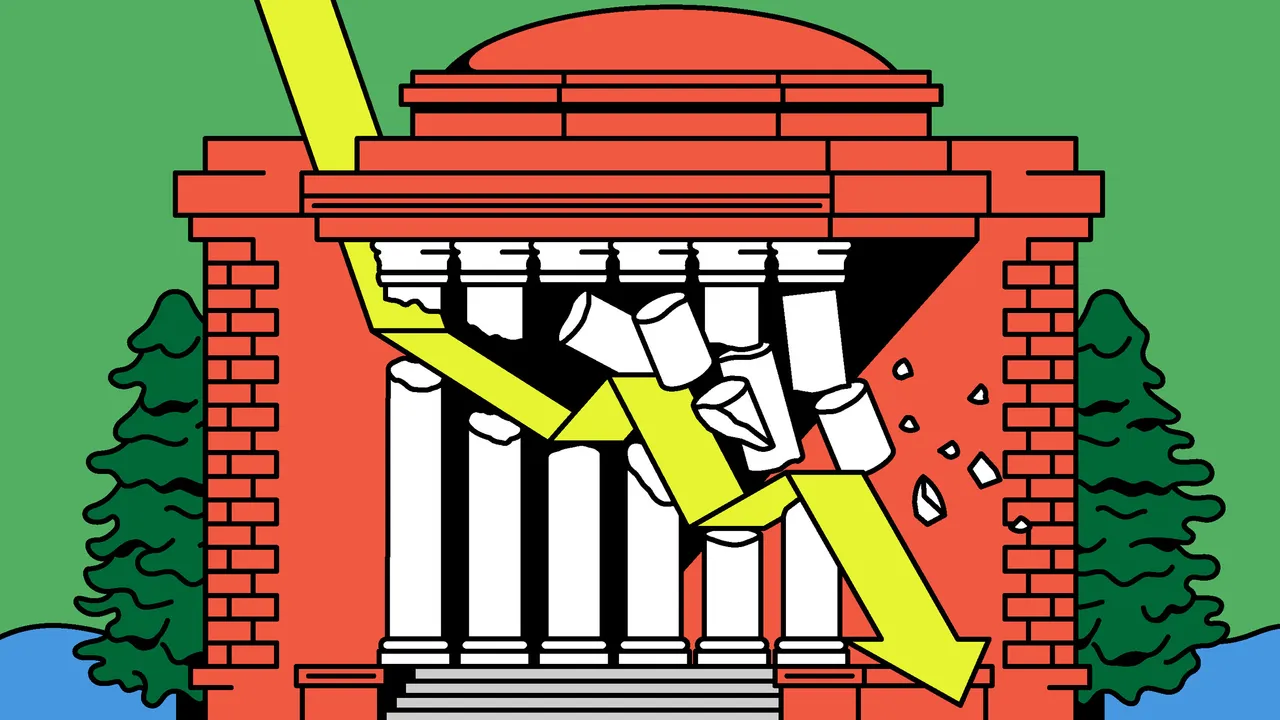
Rising tuition, declining enrollment, and disappointing employment outcomes have led many to question whether college still delivers on its promise. Dozens of smaller institutions are shuttering or consolidating, caught between rising costs and weakening demand. These are not isolated failures. They are signals of a system in need of reinvention.
The real challenge, however, is not external. It is structural. If higher education is to remain viable in a competitive, post-industrial economy, it must shift from viewing itself as a self-contained enterprise to recognizing its role in the broader talent supply chain.
That shift requires more than programmatic tweaks. It requires a rethinking of priorities.
For much of the past century, colleges and universities have kept industry at arm’s length, operating on the premise that their purpose is to cultivate knowledge for its own sake. Theory was king. Practical application was often treated as peripheral, or worse, vocational. But the world has changed. And so have student expectations.