We and our vendors use cookies and similar methods (“Cookies”) to recognize visitors and remember their preferences. We also use Cookies for a variety of purposes, including analytics, to measure marketing effectiveness and to target and measure the effectiveness of ads. You can accept or reject the use of Cookies for individual purposes below. Some vendors process your data on the basis of their legitimate interest - you can object to such processing below. Your preferences will be saved in a cookie named “fides_consent” for a maximum duration of 12 months, as well as in your registered user account if you are logged in. If you previously accepted these methods through our prior banner, then we will use your data for targeting. Your preferences will apply on nytimes.com, as well as our News, Cooking, Games and Audio apps. Your preferences here are unrelated to Apple’s App Tracking Transparency Framework.
Supported by
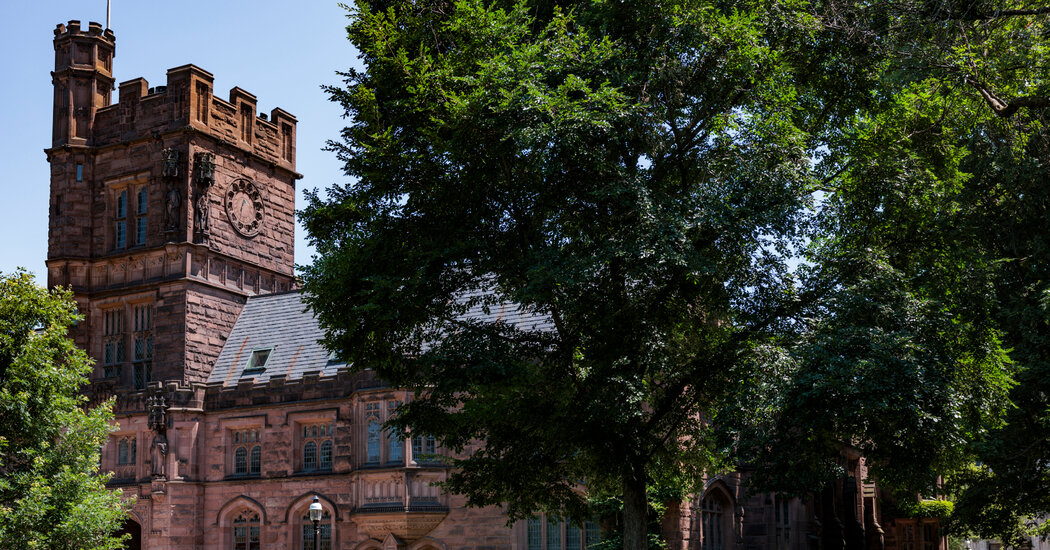
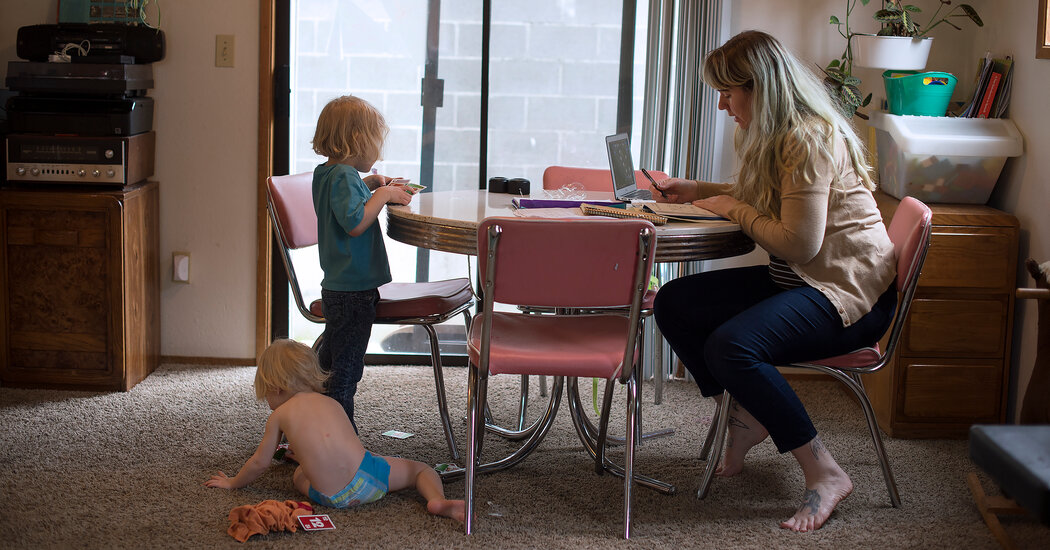
As a fight over the future of elite higher education consumes university leaders and politicians, most college students live in a very different world with very different challenges.
By Alan Blinder and Steven Rich
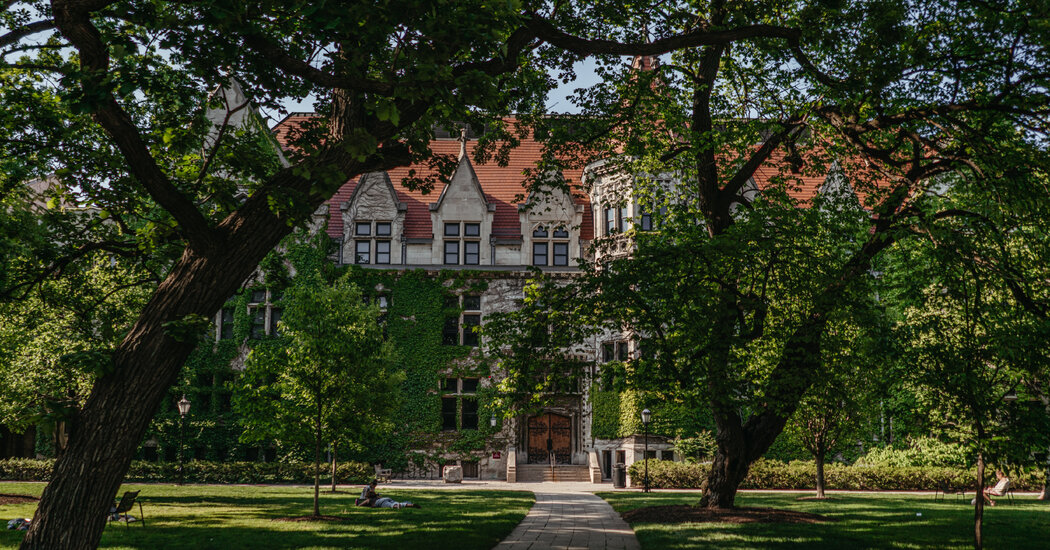
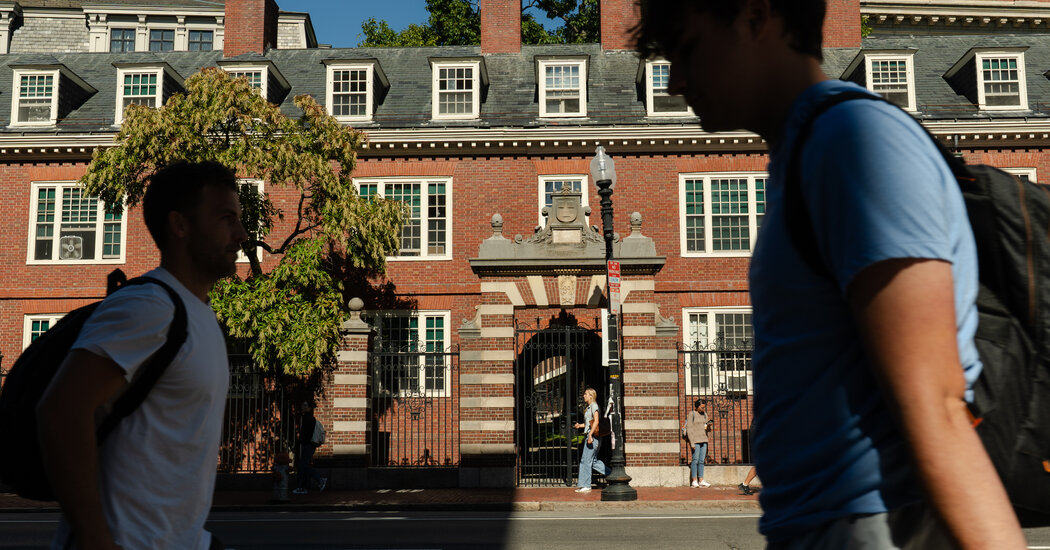
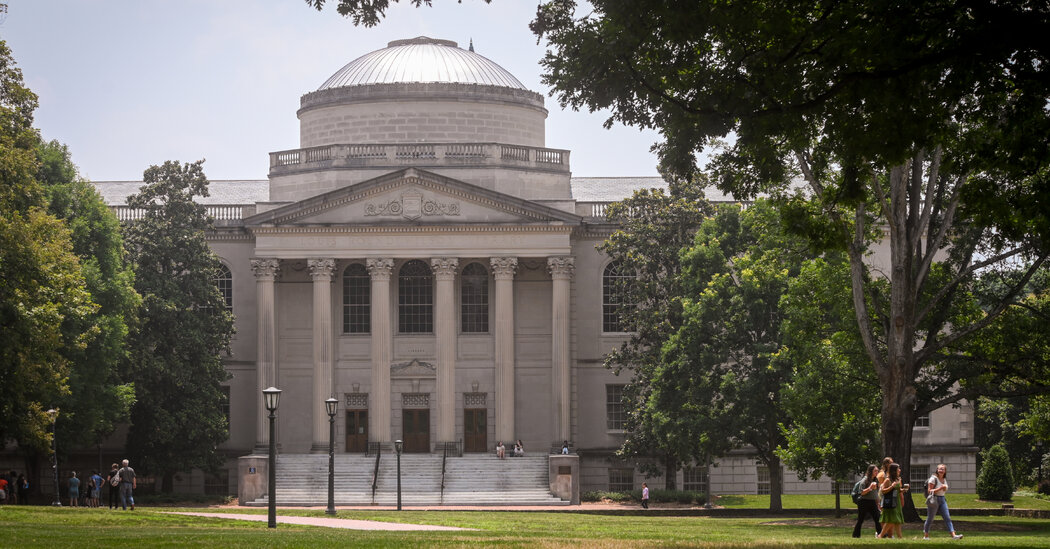
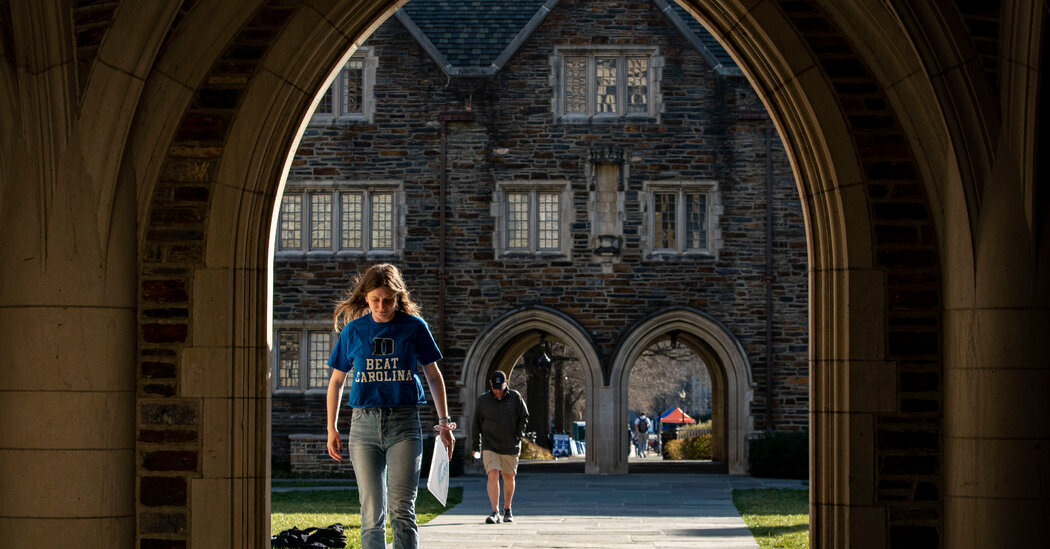
There are more than 19 million college students in the United States. Most are well removed from academia’s corridors of wealth and power, cavernous football stadiums and carefree nights hanging out in dorms. The war between President Trump and Harvard University barely registers to them.