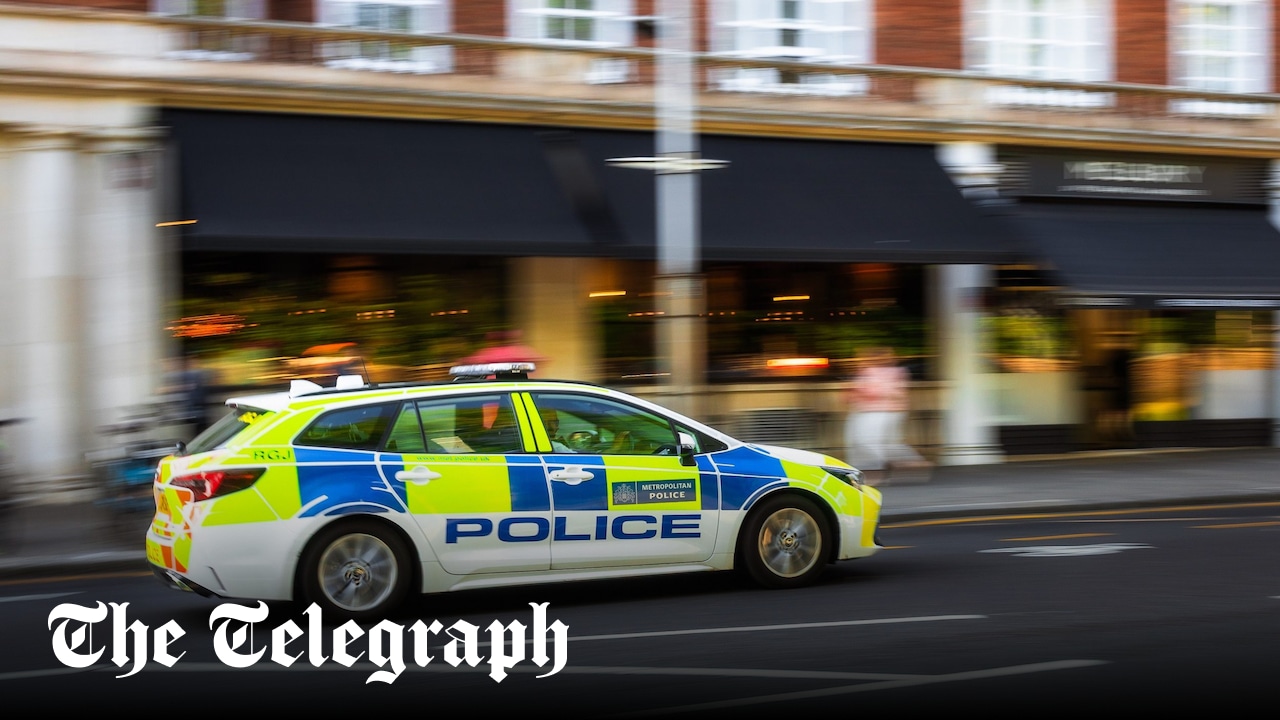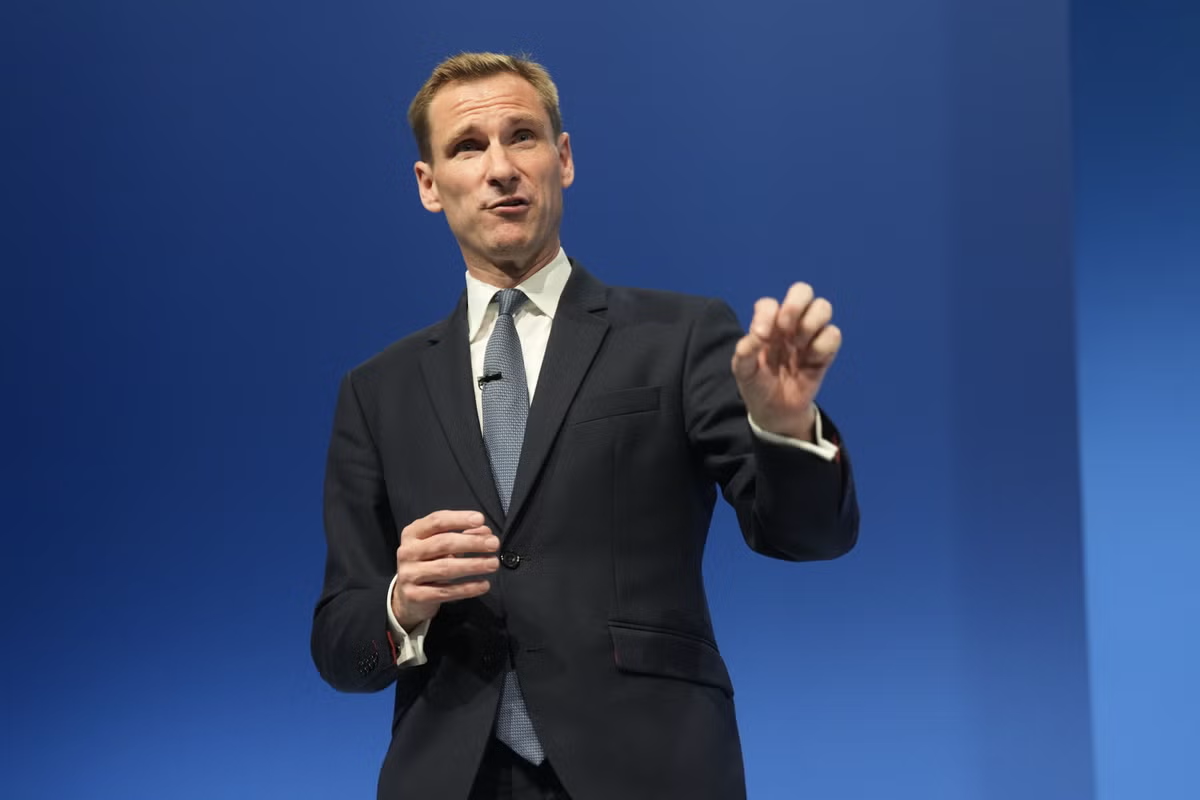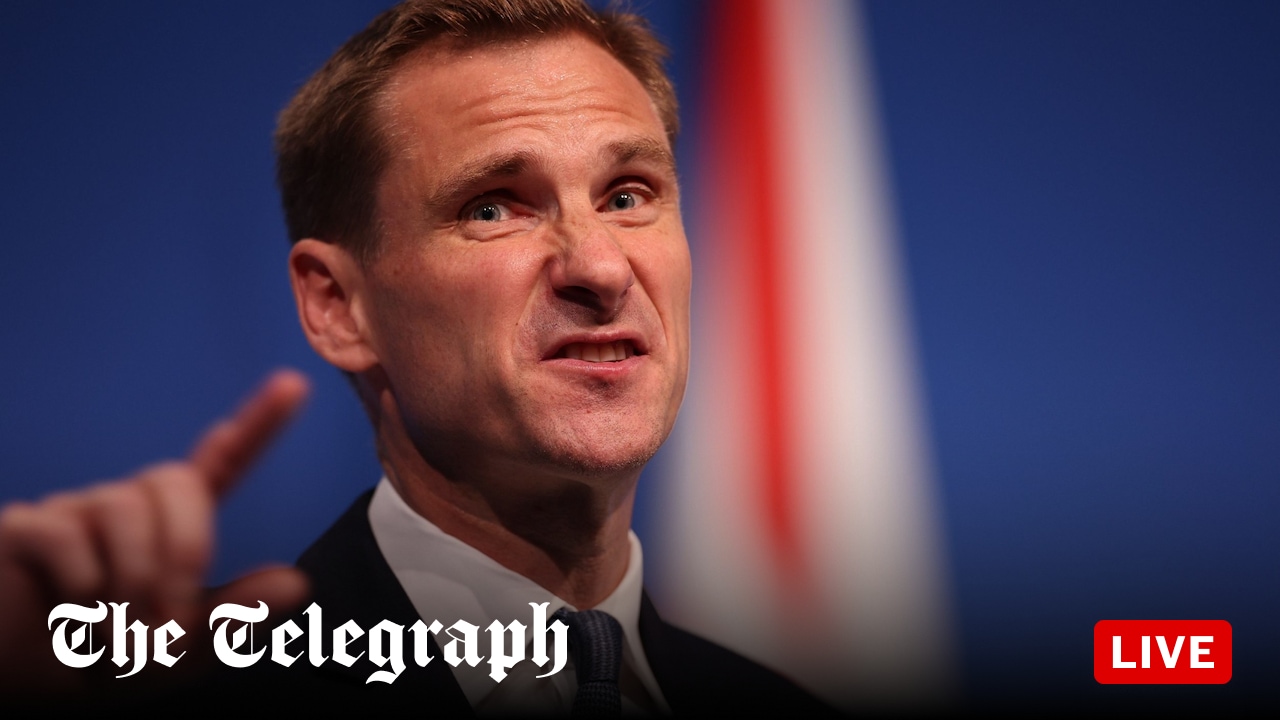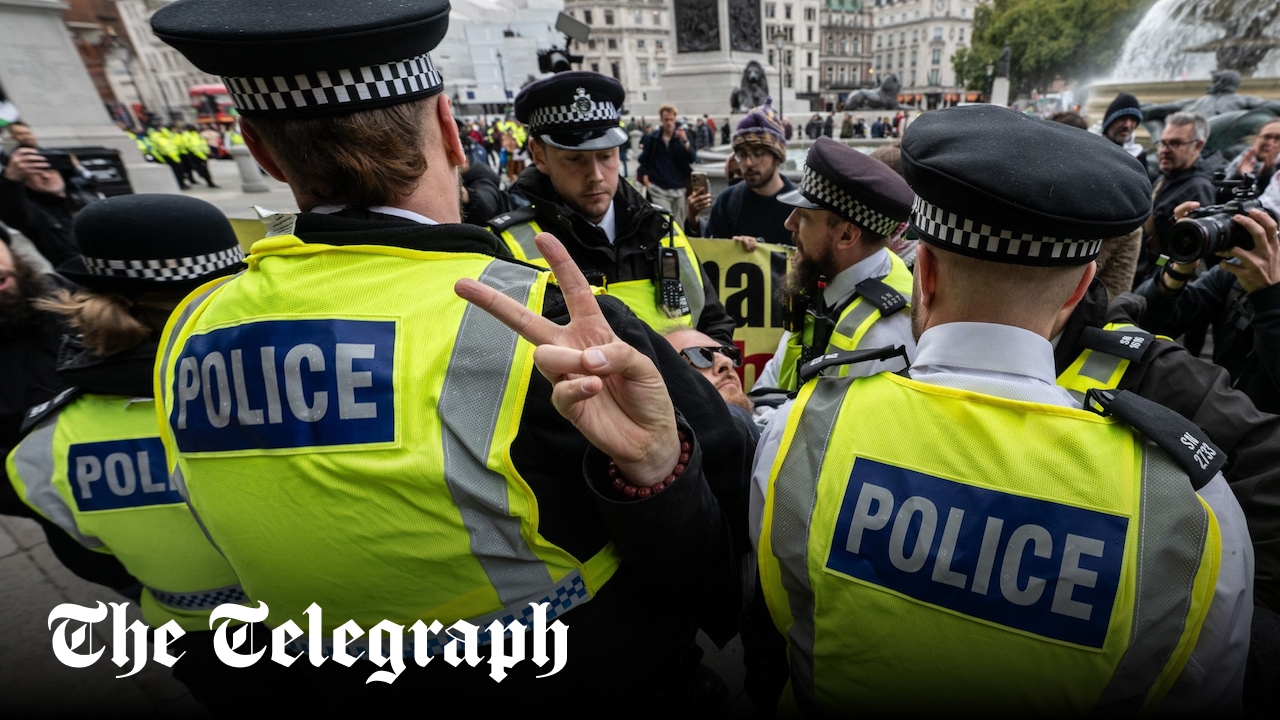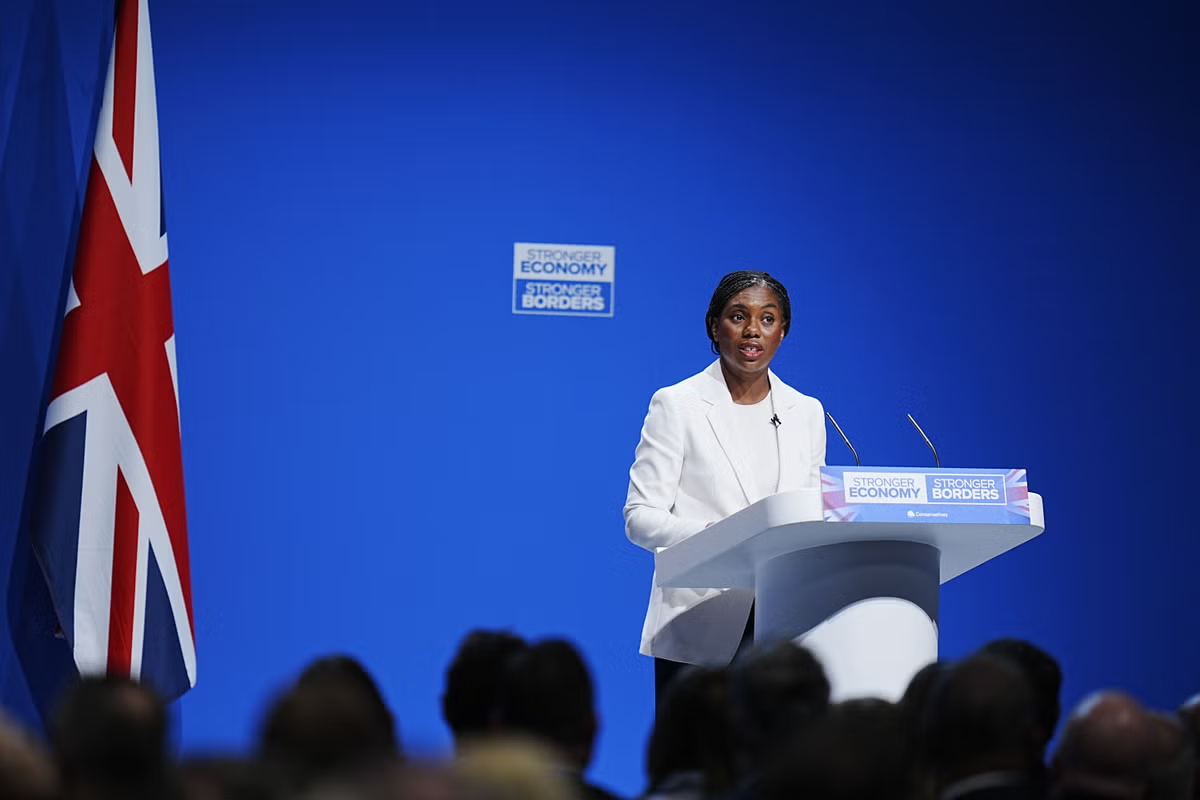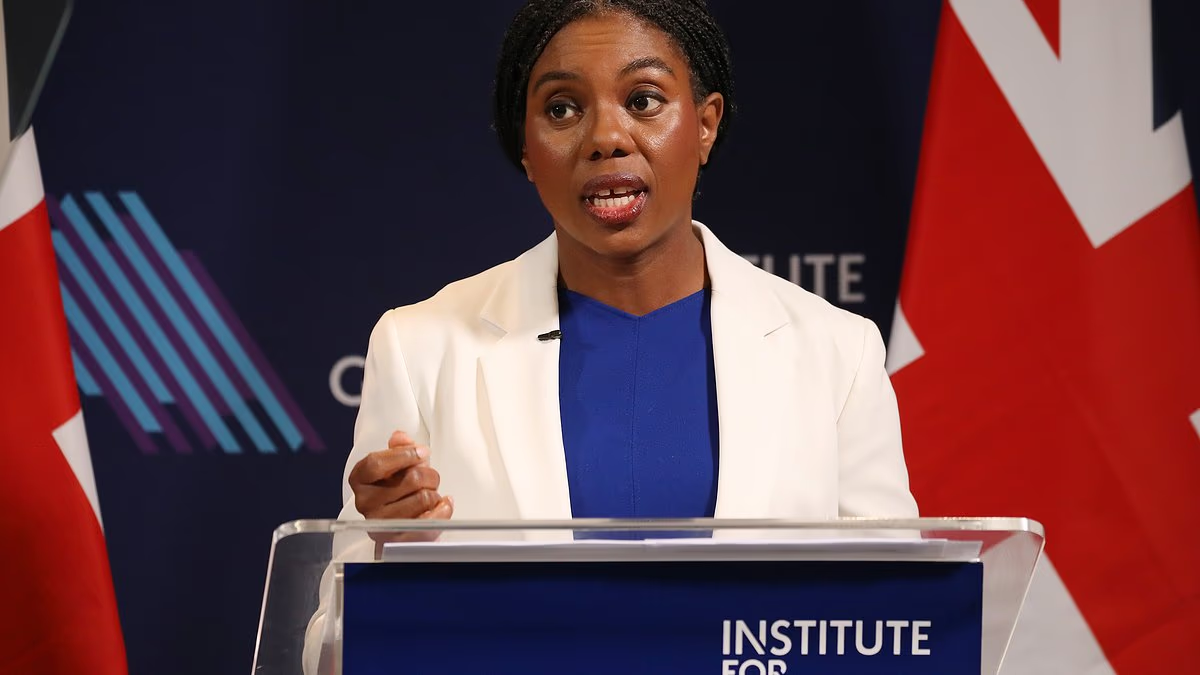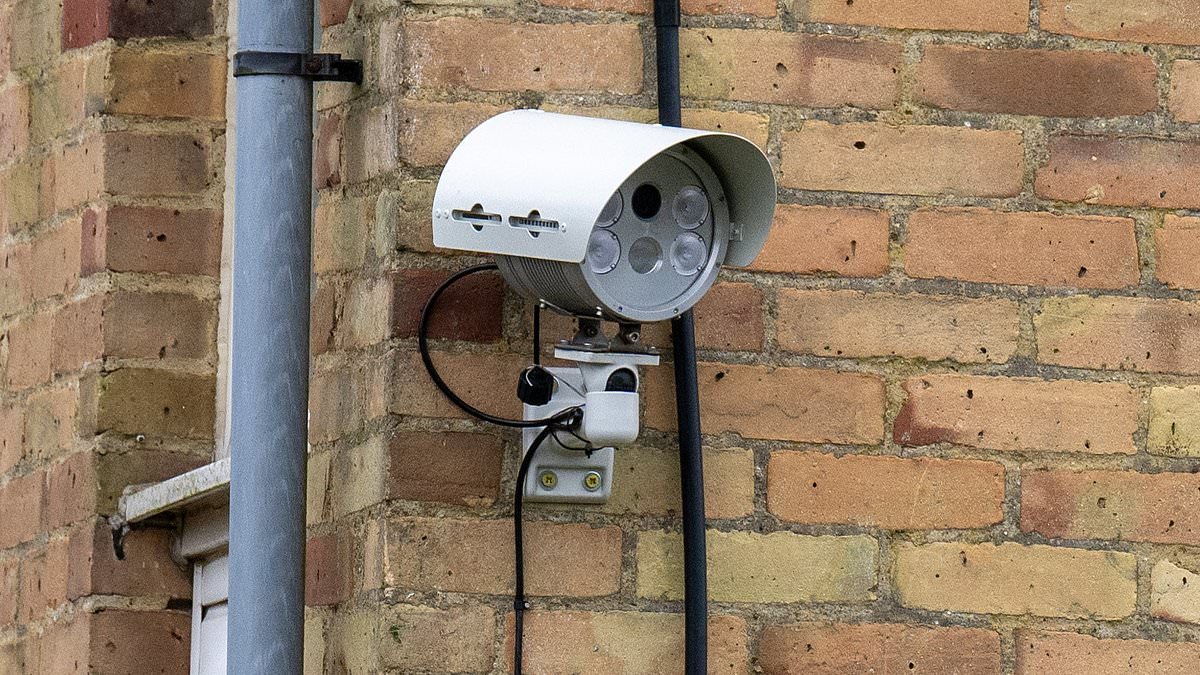
Police would get powers to stop and search anyone - without first having grounds for suspicion - in thousands of crime hotspots under Tory plans.Chris Philp, the shadow home secretary, announced the policy in a speech to the Conservative conference in Manchester this morning.Powers would be given to officers in the 2,000 areas of the country with the highest rates of robbery, theft, burglary, violence, drug dealing and antisocial behaviour.Police forces would be threatened with funding cuts if they refused to use the sweeping powers.The proposals would also see an 'intensive' deployment of live facial recognition cameras installed on police vans and fixed to lampposts.'The end game is to completely crush crime by showing zero tolerance to criminals,' Mr Philp told The Times, prior to his conference speech.'These hotspot areas account for a disproportionate amount of crime. All the evidence shows if you hit hotspots hard, you reduce crime. It doesn't get displaced.'It gets reduced. And that is why we need to flood these high-crime areas with police officers.' Chris Philp, the shadow home secretary, announced the policy in a speech to the Conservative conference in Manchester this morning 'The end game is to completely crush crime by showing zero tolerance to criminals,' Mr Philp said, prior to his conference speechAccording to the newspaper, the areas that would be targeted are home to only 5 per cent of the population.But they account for 26 per cent of all violent and acquisitive crime, including robbery, theft, burglary and drug dealing. Police-recorded crime data, that breaks down offences street by street, shows four of the top five crime hotspots in England and Wales are in the London borough of Westminster.These include Mayfair, Oxford Street and the Strand, with each area representing about 1,200 people.One small geographic area of about 20 streets in London's West End, near Oxford Circus and Regent Street, accounted for about 15 per cent of knife crime in the capital.Other areas in the top ten are in Leeds, Birmingham, Cardiff and Leicester.Most stop and search powers currently require an officer to have reasonable grounds for suspicion that an unlawful item is being carried.Under the powers, police are allowed to detain a person who is not under arrest in order to search them or their vehicle for an unlawful item.In his Tory conference speech on Tuesday, Mr Philp said: 'It's insane that the smell of cannabis alone, or somebody wearing a menacing mask alone, does not generally allow, legally, a stop and search.'Now in my view, a single suspicion indicator should be enough.'So, in our hotspot areas, we will allow routine stop and search without suspicion. Anyone can be searched.'We will change the law to do this, and we will triple the use of stop and search. Lives will be saved and knives will be taken off our streets.'We have the courage to do that, Labour does not.'Mr Philp also said the Conservatives, if elected, would hire 10,000 extra police officers to help to deliver 'surge hotspot policing' in high-crime areas.'We commit today to hiring 10,000 extra police officers at a cost of £800million a year, funded by some of the Chancellor's savings announced on Monday,' he said.'These 10,000 extra police officers will catch more criminals, and they will protect our streets. That is our commitment.'And we will use some of these extra officers to deliver surge hotspot policing in 2,000 high-crime neighbourhoods around the country.'They will deliver eight million hours of hotspot surge patrolling and prevent 35,000 crimes by doing so.'Every area where there is a serious crime problem should have intensive hotspot patrolling all year round.'That will deter crime and it will catch criminals. So we will mandate this hotspot patrolling.'Stop and search has long been a flashpoint in relations between police and minority ethnic communities, especially black people.Anti-racism campaigners argue that people of colour are unfairly targeted for stop and search.
Tories unveil plan for stop and search blitz in crime hotspots
Chris Philp, the shadow home secretary, announced the policy in a speech to the Conservative conference in Manchester this morning.
644 words~3 min read