The holy grail of personal computing has always been a single, seamless experience that follows you from your pocket to your desk. For decades, this dream has been a graveyard of ambitious failures.
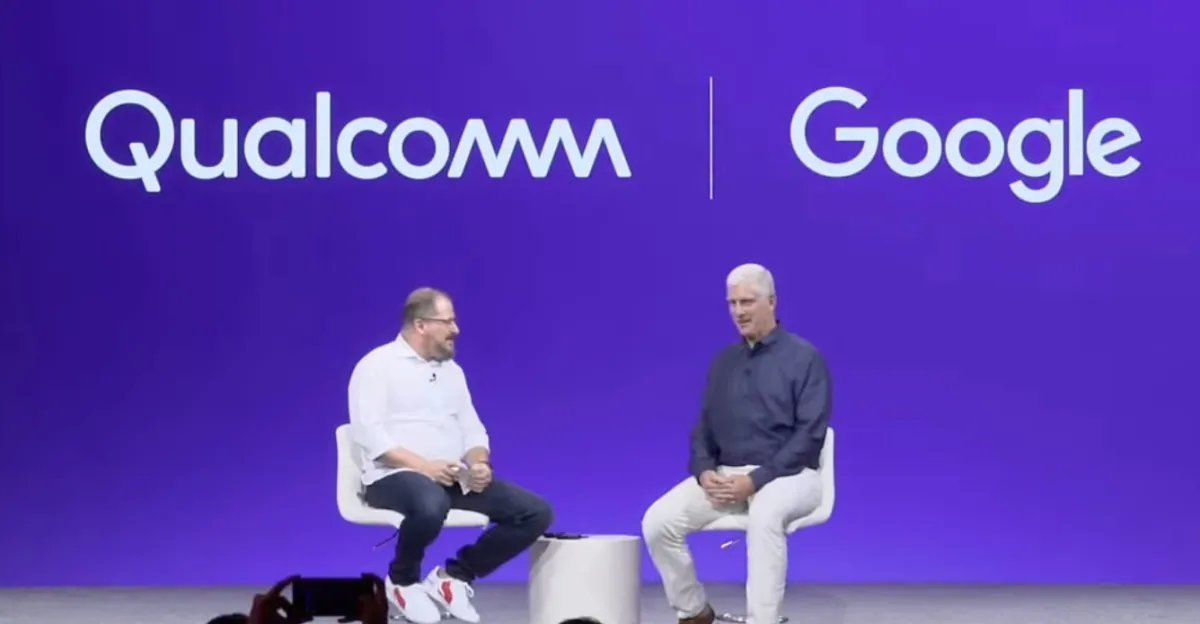
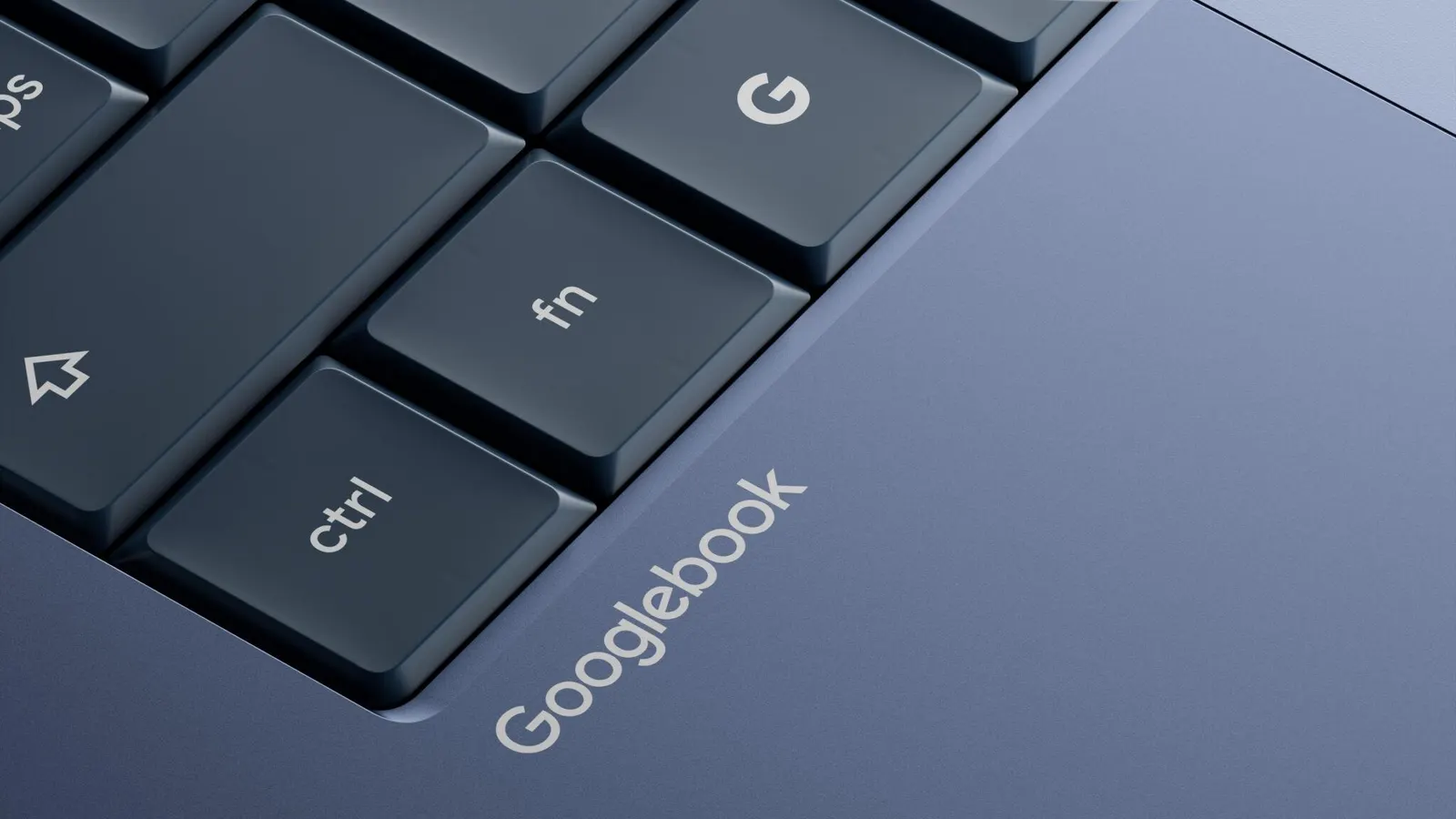
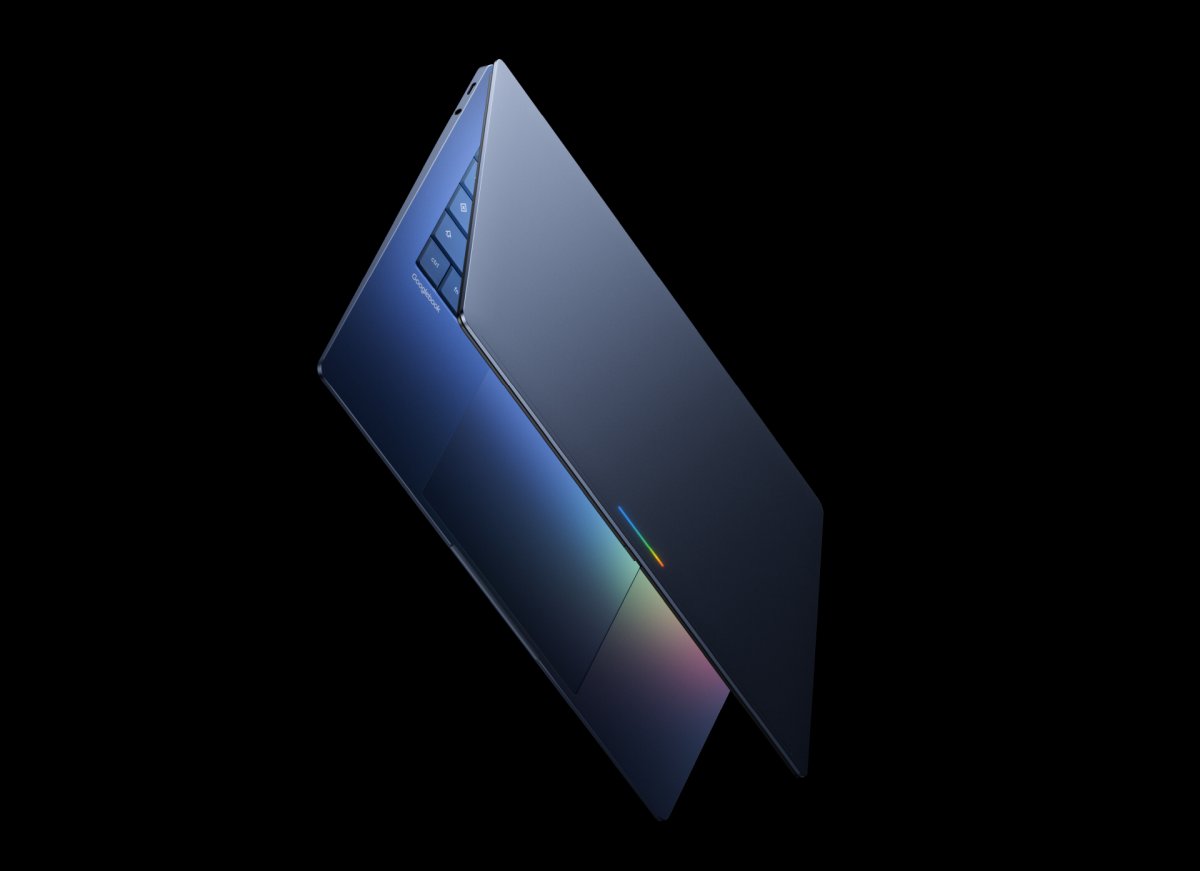
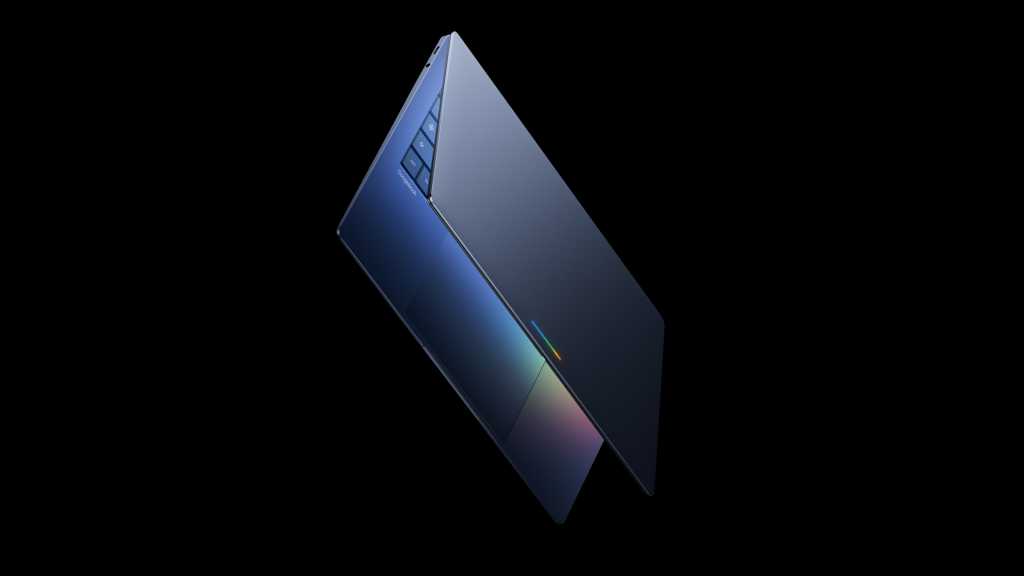
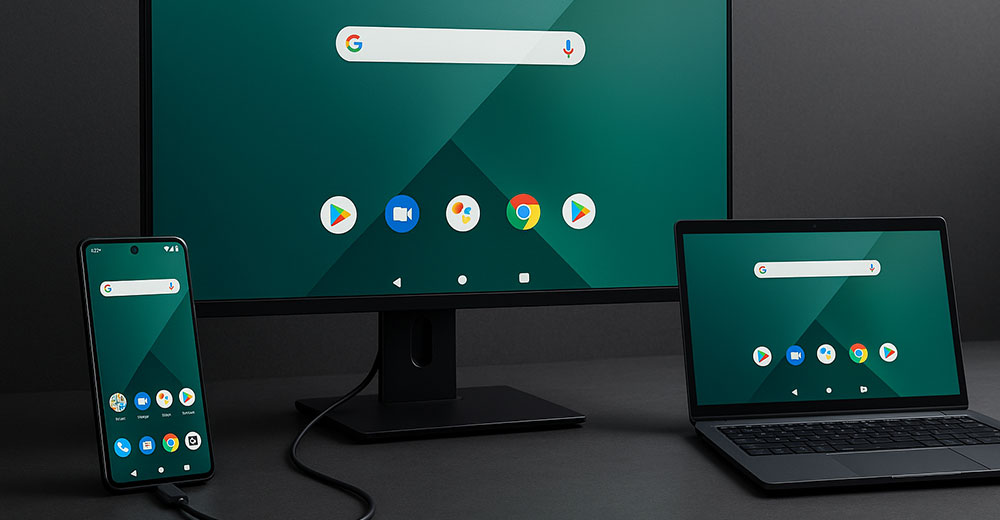
Now, in the fall of 2025, the whispers are growing louder: In partnership with Qualcomm, Google is making a serious play to bring Android-based PCs to the mainstream. Google’s effort isn’t just another Chromebook; it’s a full-fledged effort to scale the world’s dominant mobile operating system into the laptop form factor.
Google’s Android PC initiative represents a direct assault on the traditional Windows PC market and a strategic challenge to Apple’s carefully segregated ecosystem. However, to succeed where others have so spectacularly failed, Google must learn from the ghost of its most notable predecessor: Microsoft’s Windows 8. Google’s strategy is different — scaling up from the phone rather than down from the desktop — but the potential pitfalls, especially in marketing, look eerily familiar.
Let’s talk about the Android PC this week, and we’ll close with my Product of the Week: a new OLED tablet from Wacom that could bring back some excitement into the market.
The Ghost of Windows 8: Why the PC-First Model Failed