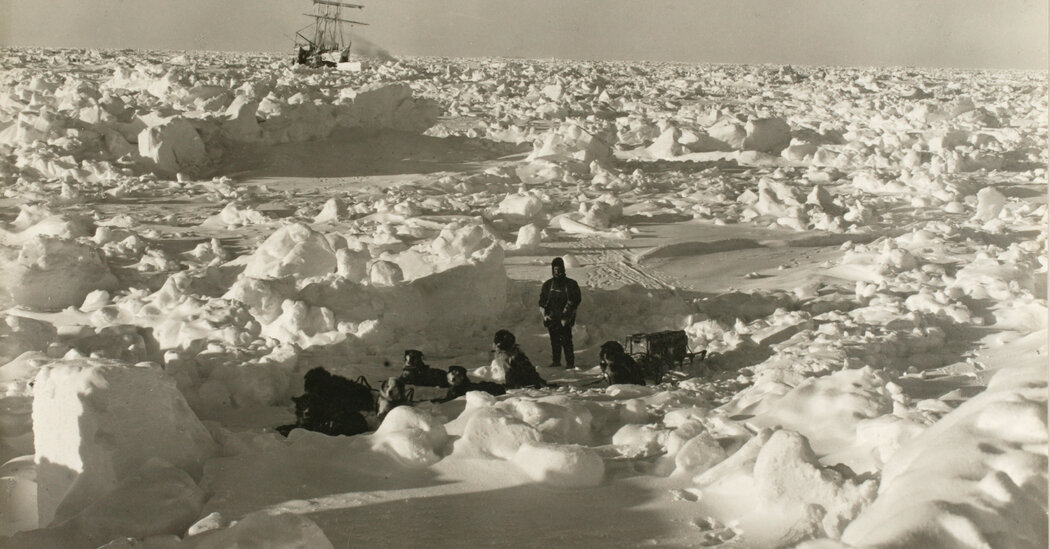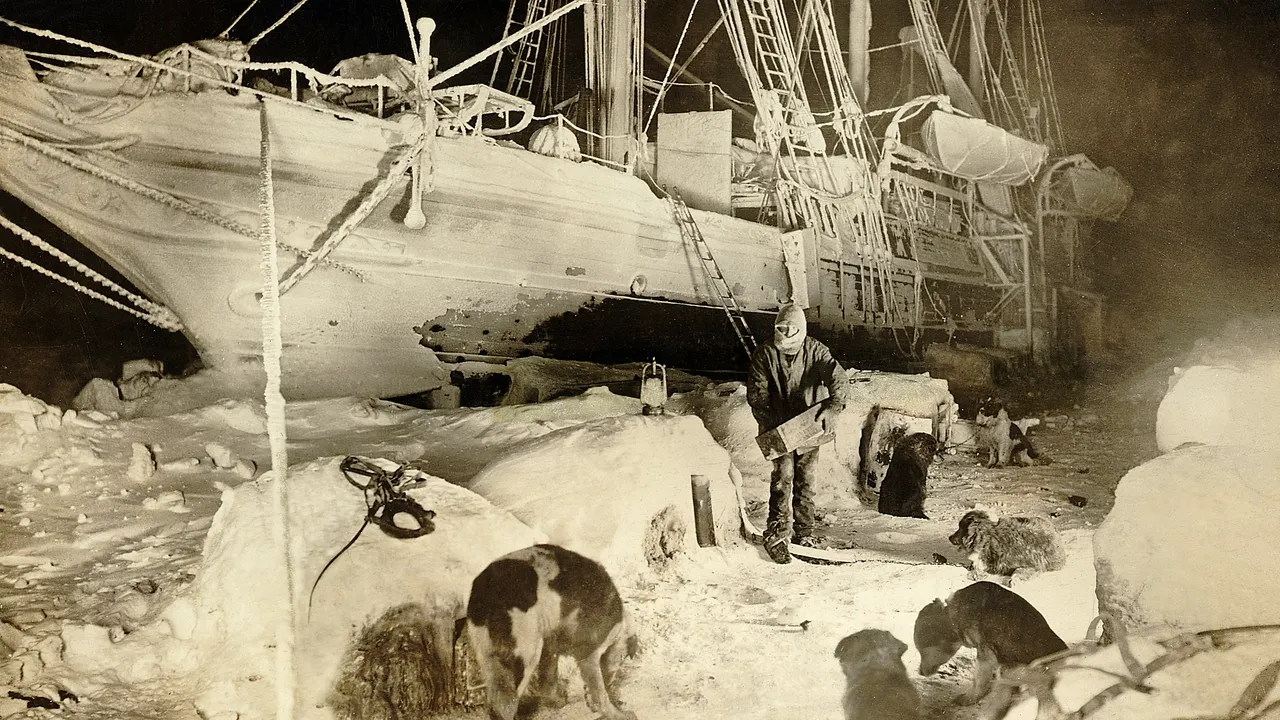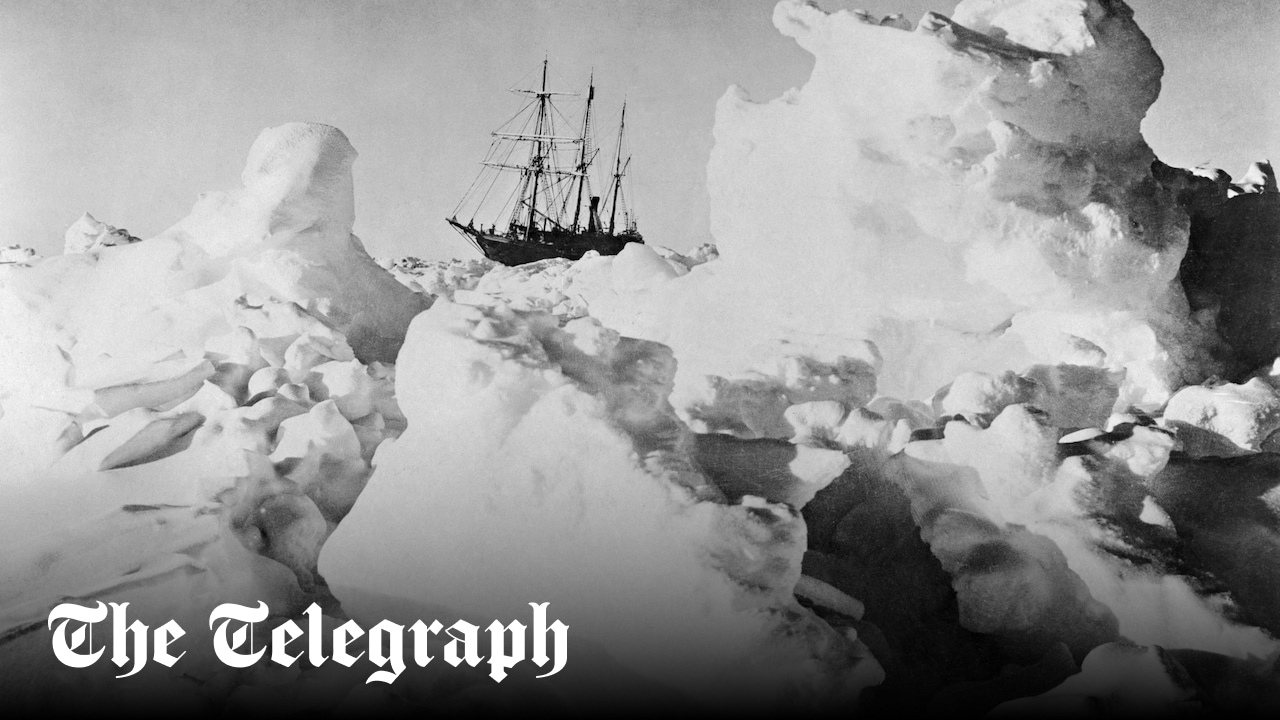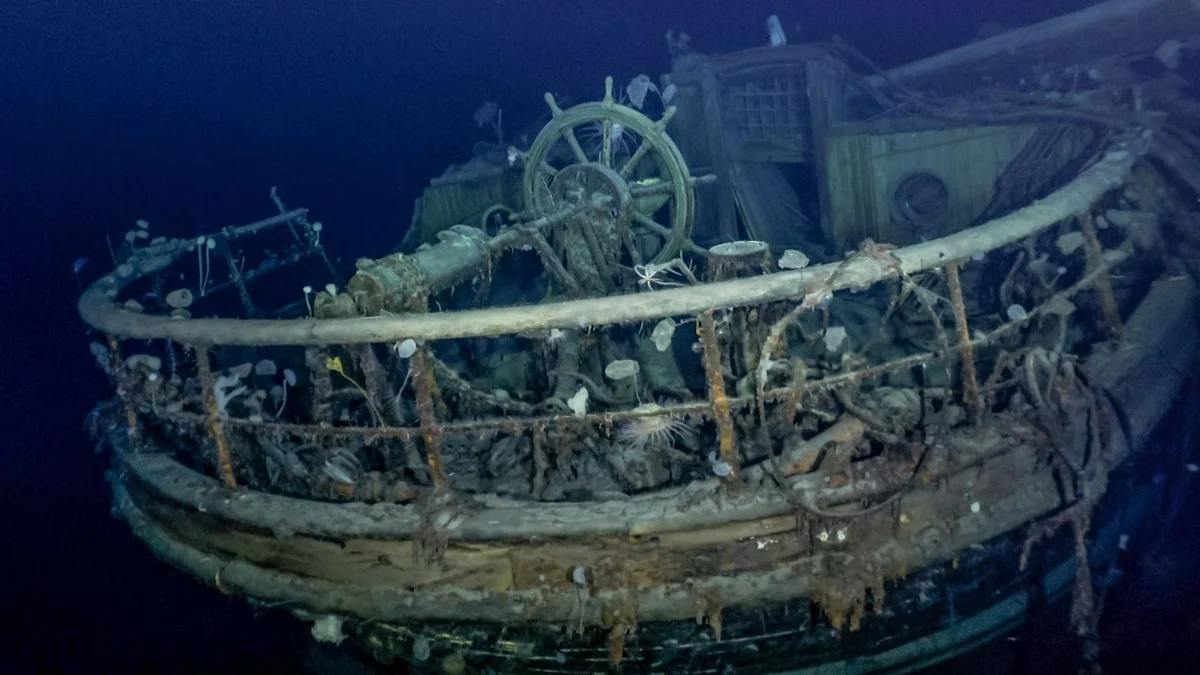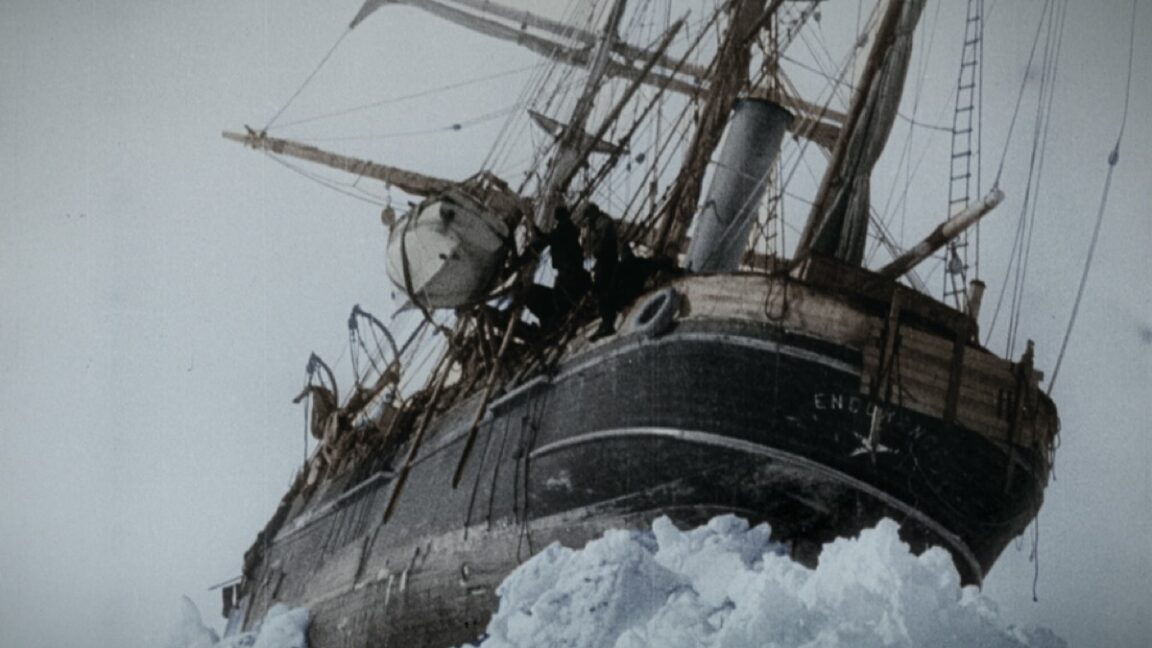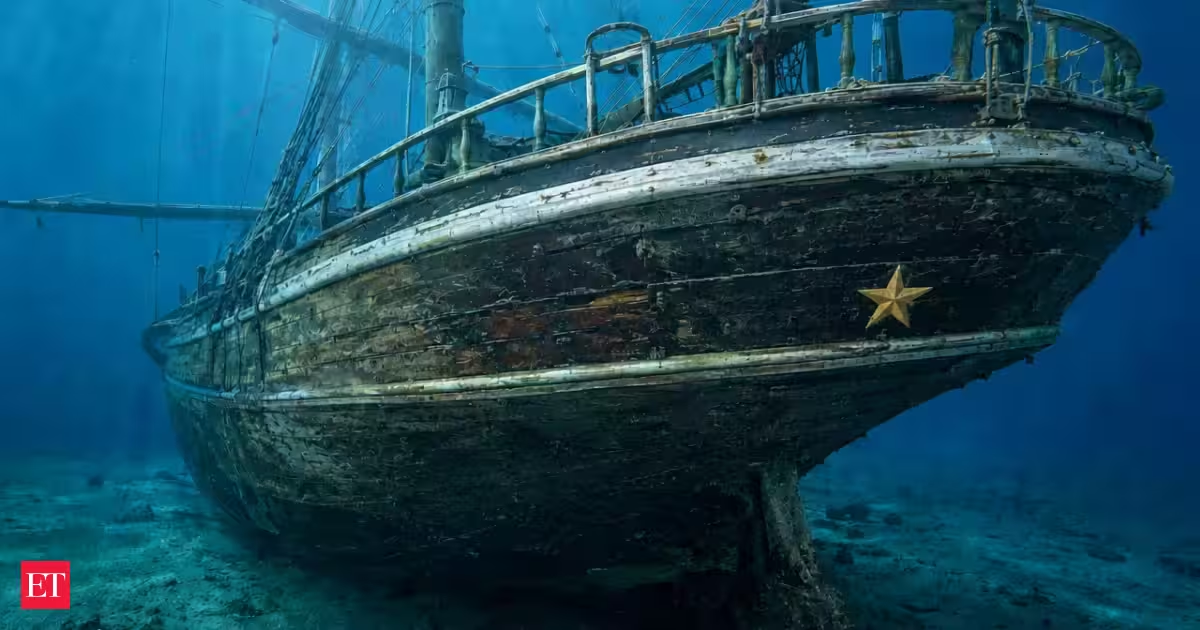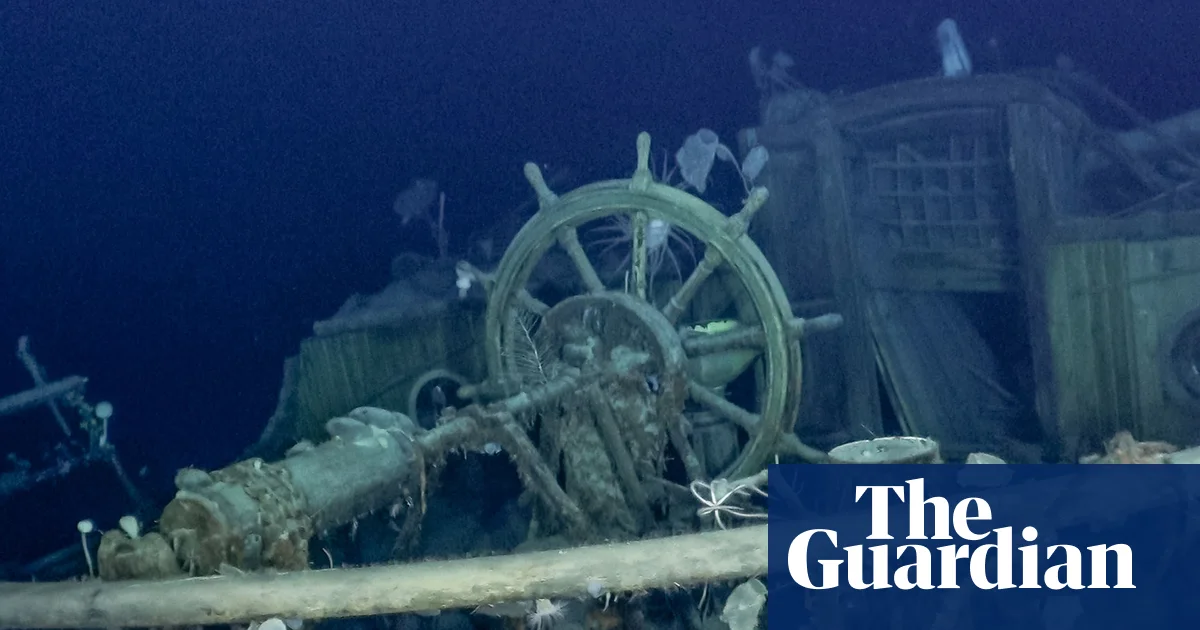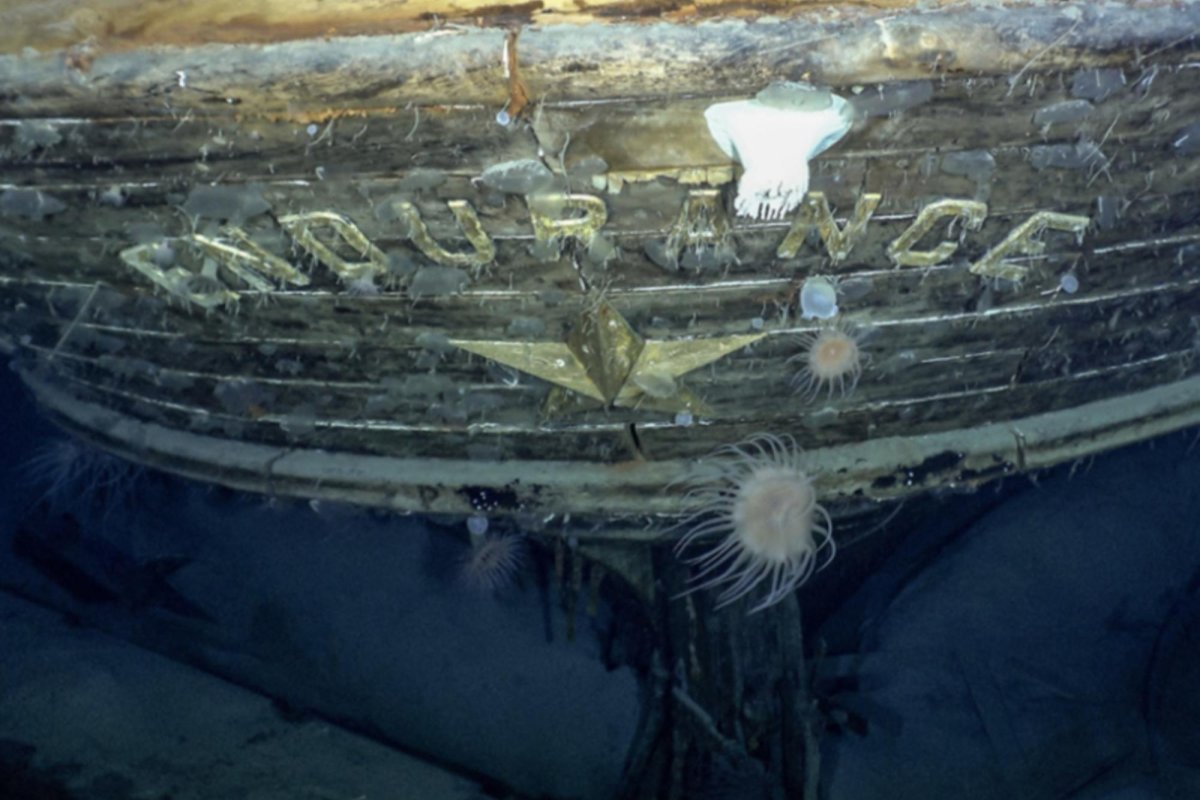
Oct. 6 (UPI) -- Sir Ernest Shackleton's polar ship, Endurance, was considered to be the strongest of its time but the vessel had significant structural weaknesses that caused its demise -- and an analysis now suggests the famed explorer knew it when he set out for the Antarctic.
A weakness in the ship's rudder has long been called the fatal flaw in Endurance's design that caused the ship to be crushed by sea ice and sink to the bottom of the Weddell Sea in late 1915.
Researchers at Aalto University in Finland contend in an analysis that the polar ship was not lost because ice tore the rudder away and its keel ripped off, but instead was crushed because it lacked internal beams to hold its hull in place while moving through compression ice.
"Even simple structural analysis shows that the ship was not designed for the compressive pack ice conditions that eventually sank it," Jukka Tuhkuri, who wrote the study, said in a university press release.
"The danger of moving ice and compressive loads -- and how to design a ship for such conditions -- was well understood before the ship sailed south. So we really have to wonder why Shackleton chose a vessel that was not strengthened for compressive ice," said Tuhkuri, sea ice structure researcher and professor of solid mechanics at Aalto.