S
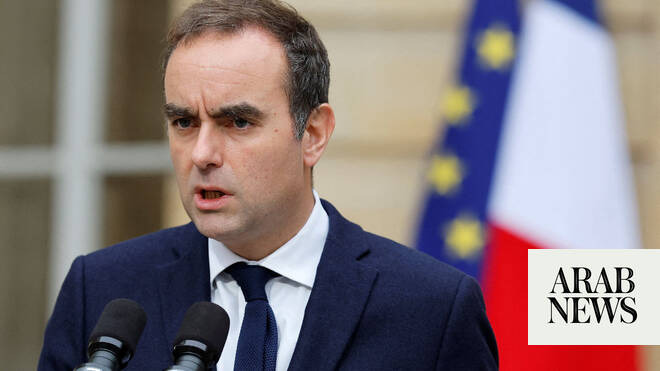
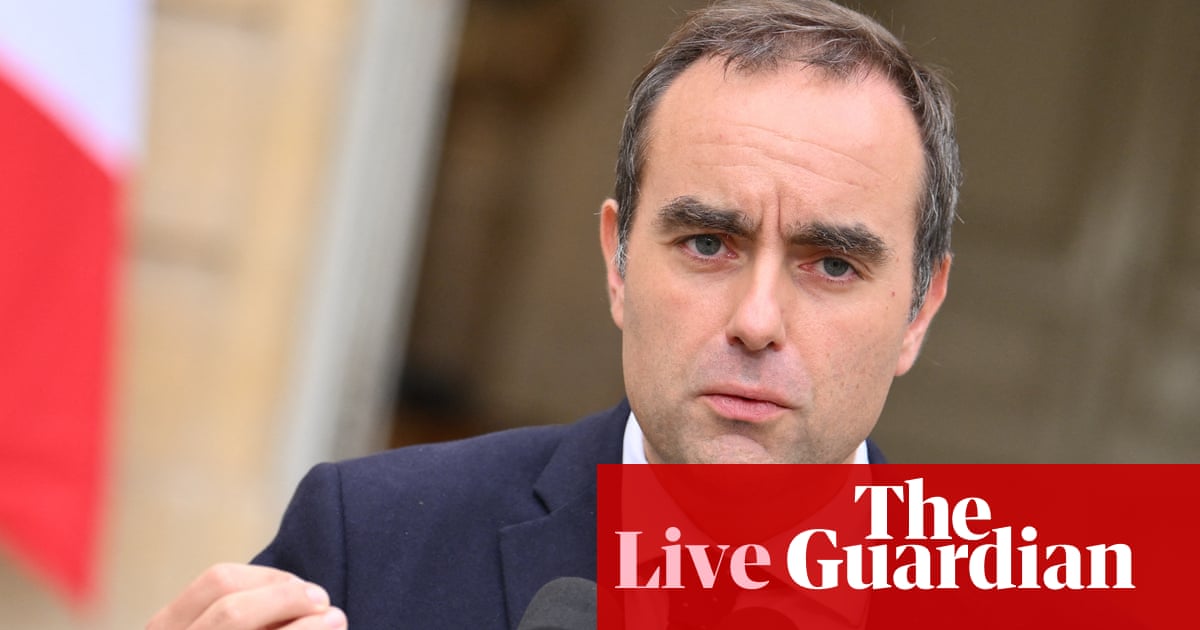
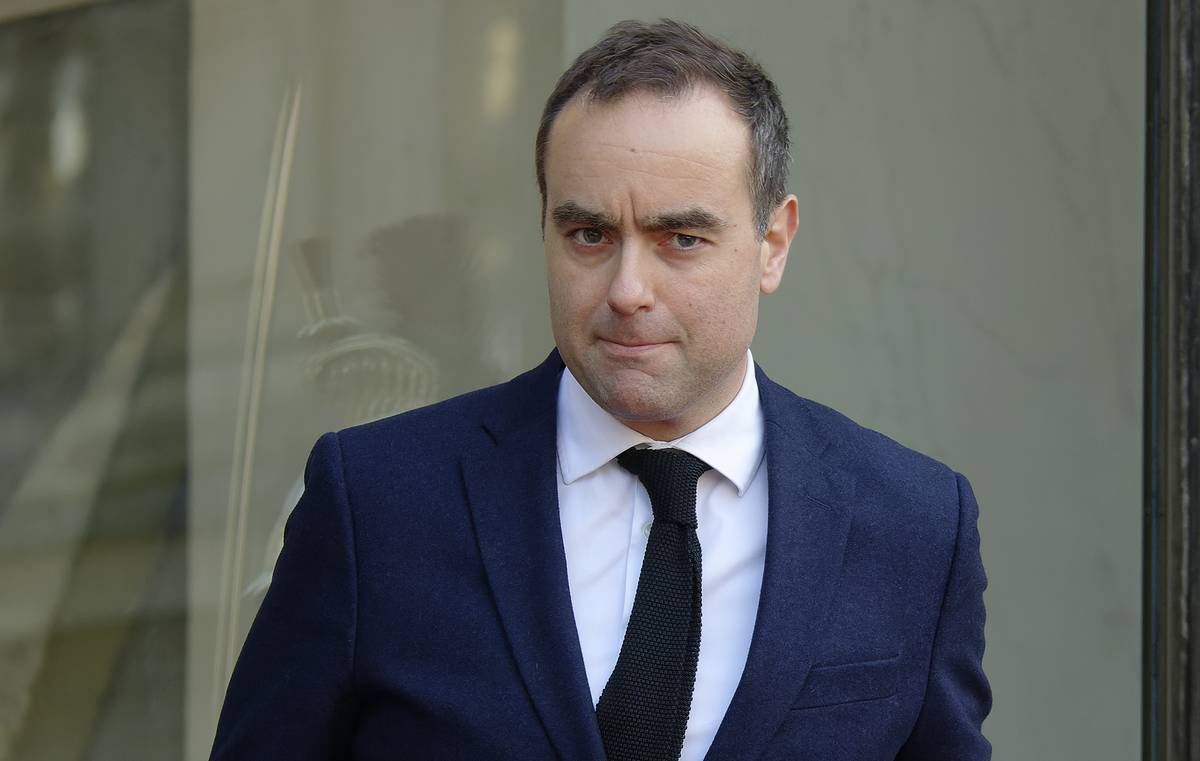
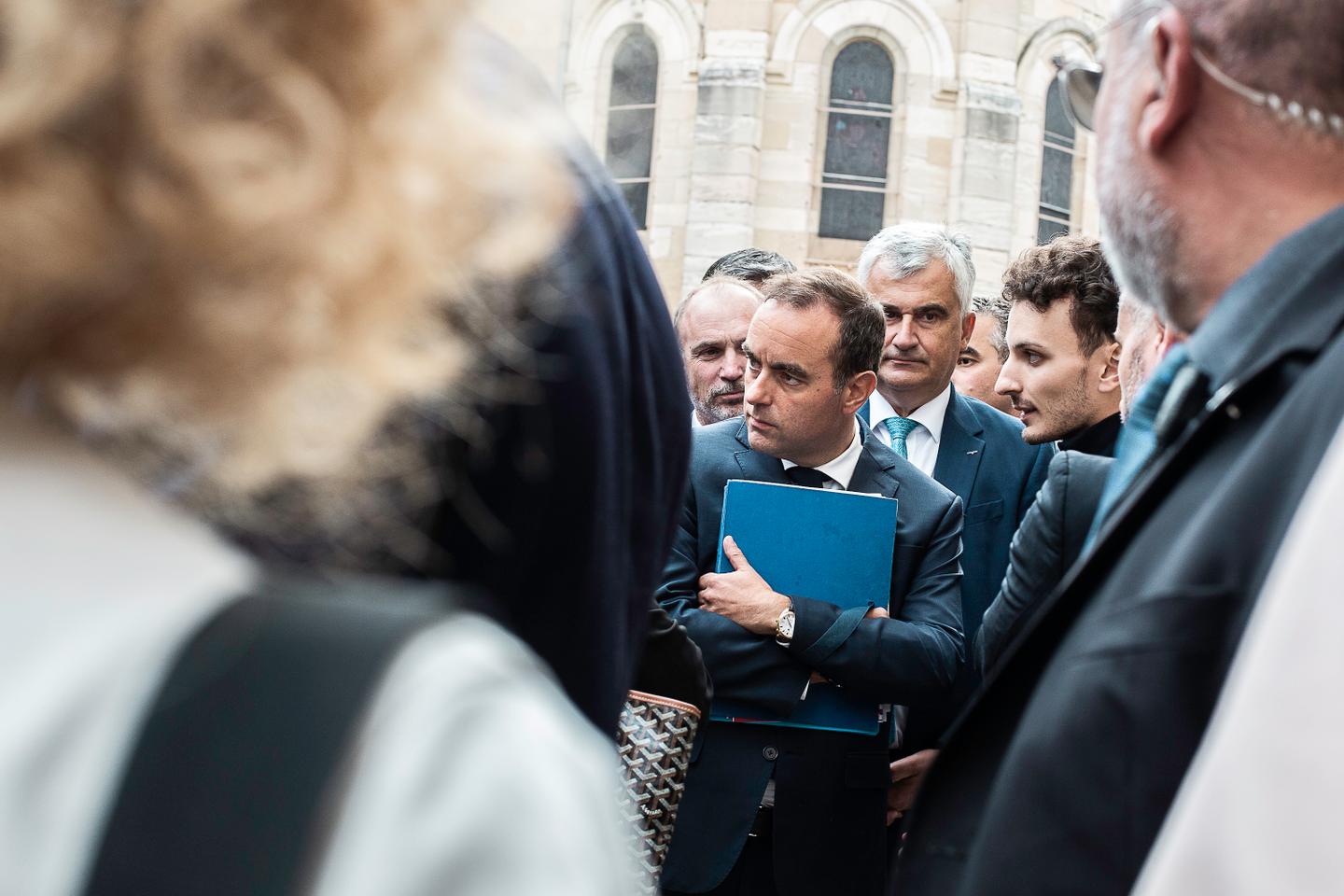
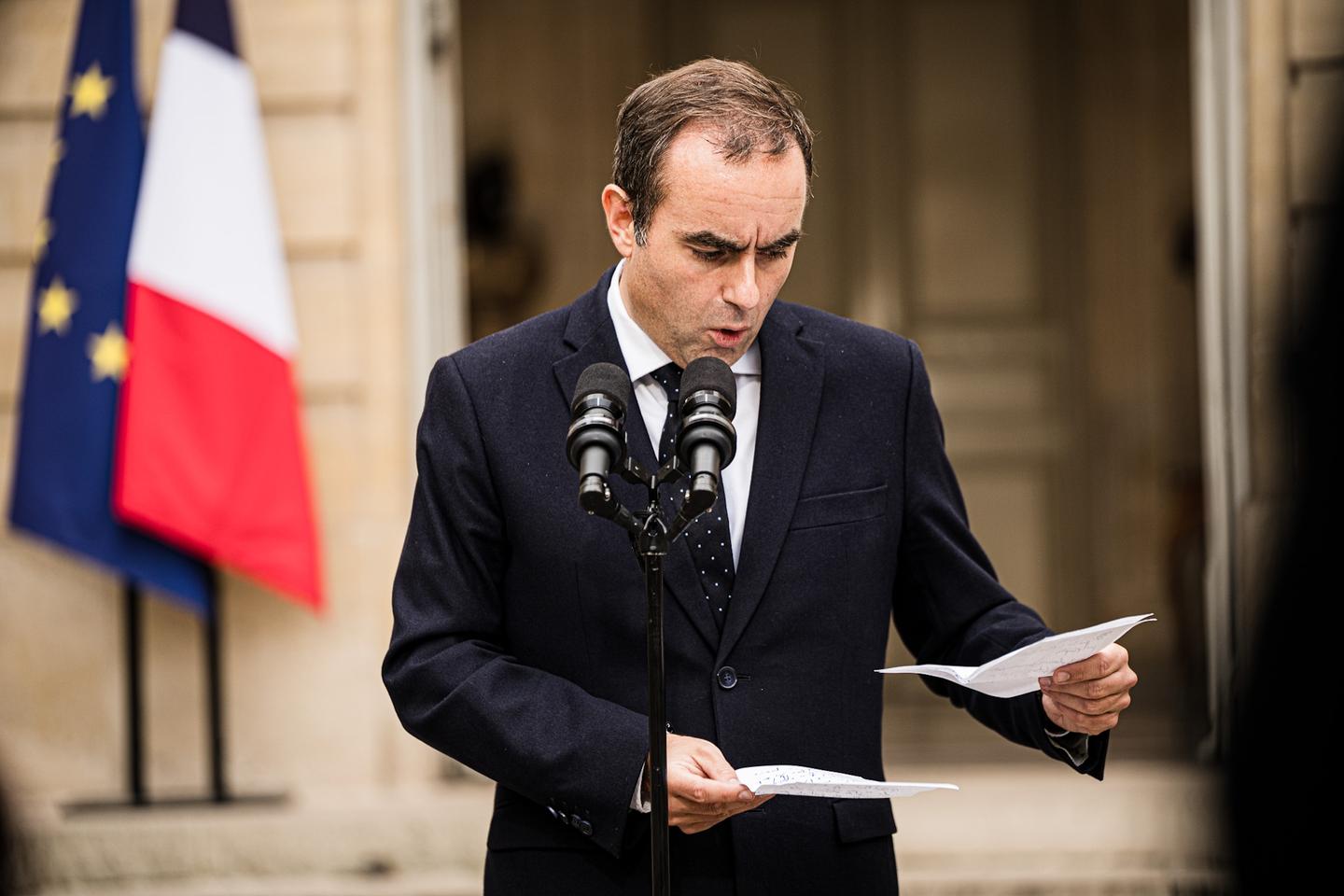
artre once said that "words are loaded pistols." When Sébastien Lecornu promised a "rupture," a clean break in both substance and style, upon taking office as France's prime minister, he fired the first shot. But did he, on September 10, fully grasp the scope of this commitment? While such a pledge makes it possible to break from the past, it also requires that promise to be honored in the future. As a slogan, "rupture" is a striking one for any ambitious newcomer, but it comes back like a boomerang if not followed through on.
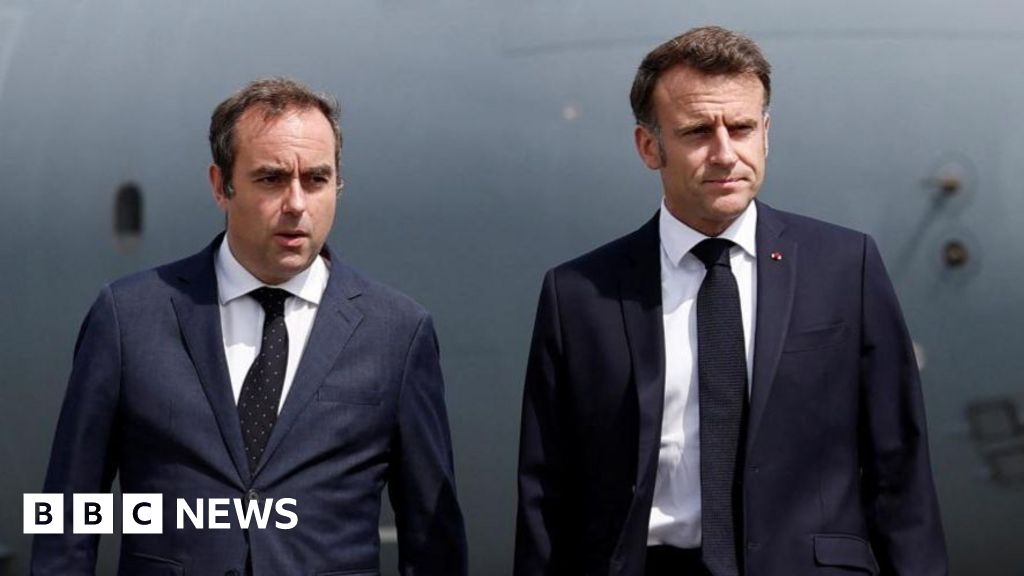
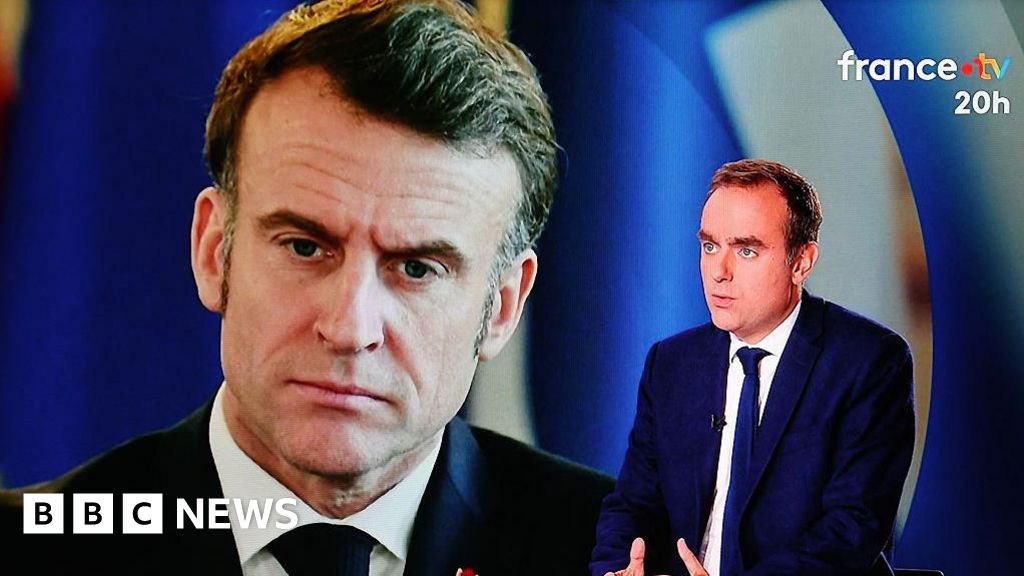
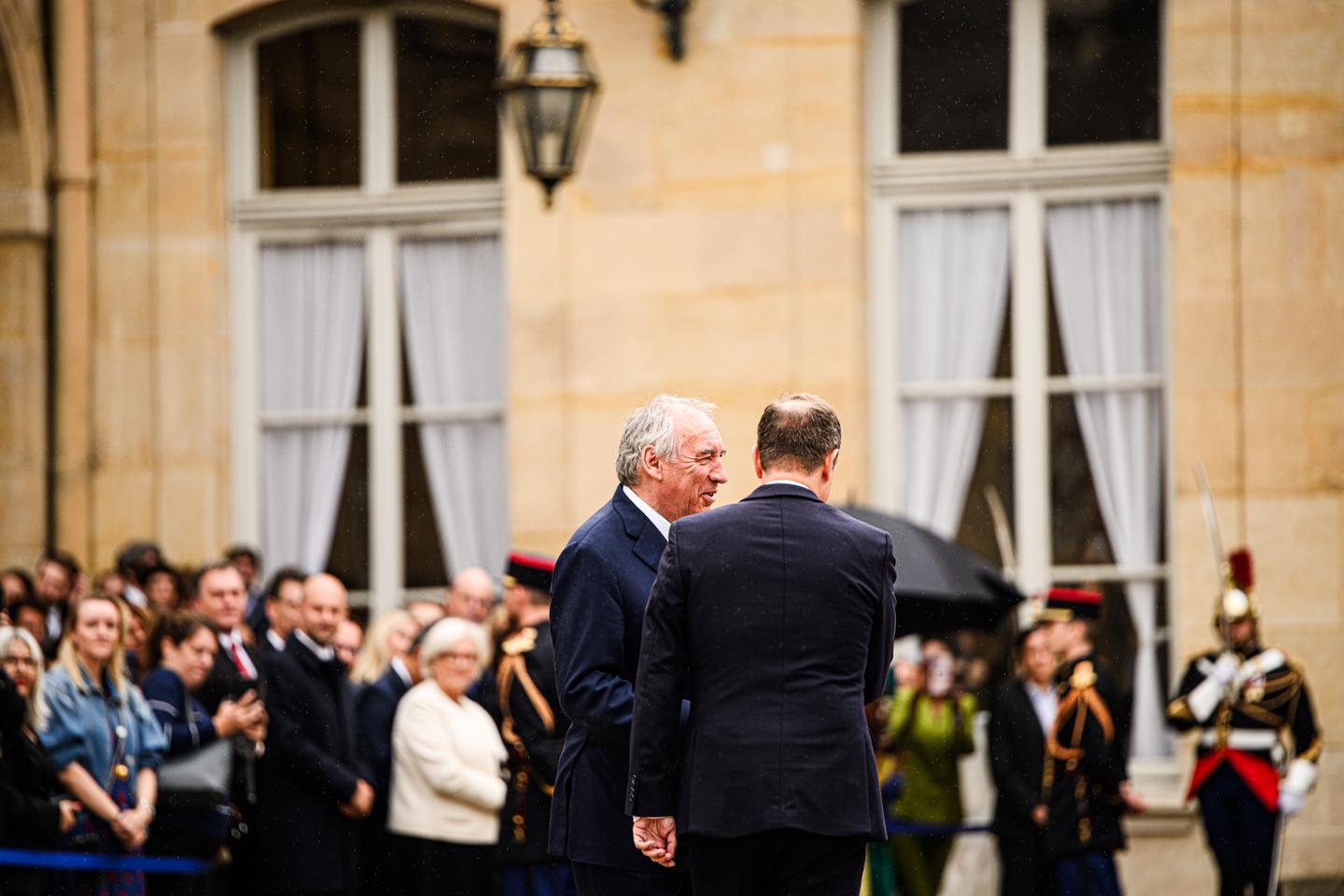
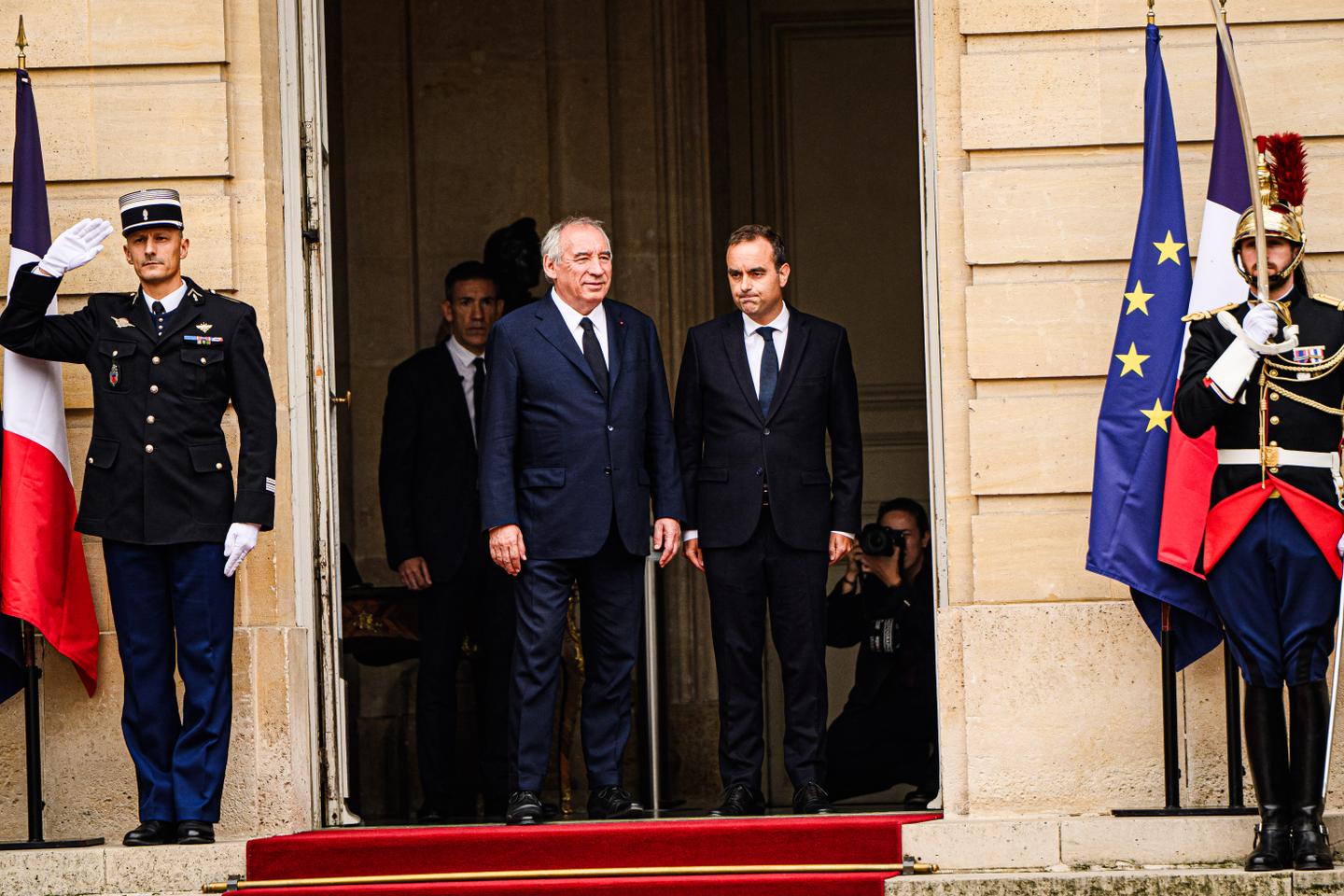
The weight of the word chosen by the new prime minister did not escape the Elysée Palace, which was quick to set boundaries: The rupture Lecornu promised was only to be understood in relation to his predecessor, François Bayrou, and not in any way to President Emmanuel Macron.
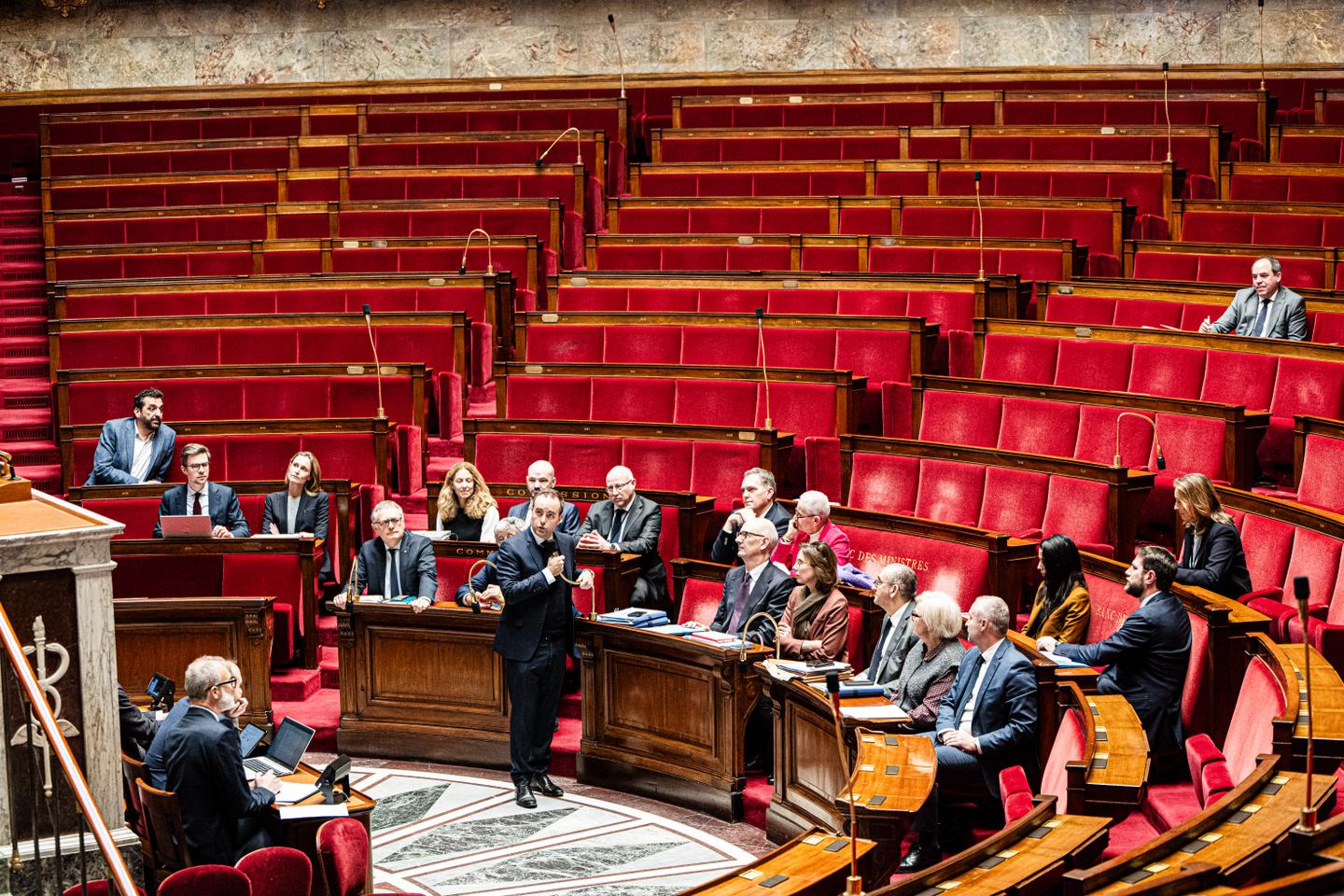
A rupture in substance – the most difficult – was thus limited from the outset. The former defense minister, tasked by the president with "consulting the political forces represented in Parliament in order to adopt a budget," spent a month working under Macron's close supervision. The president, at an all-time low in the polls and isolated at the Elysée, stayed out of the public spotlight, pretending to let the prime minister maneuver freely. But however much Lecornu insisted he was "free because loyal," any departure from the "fundamentals" of Macronism was out of the question.