I
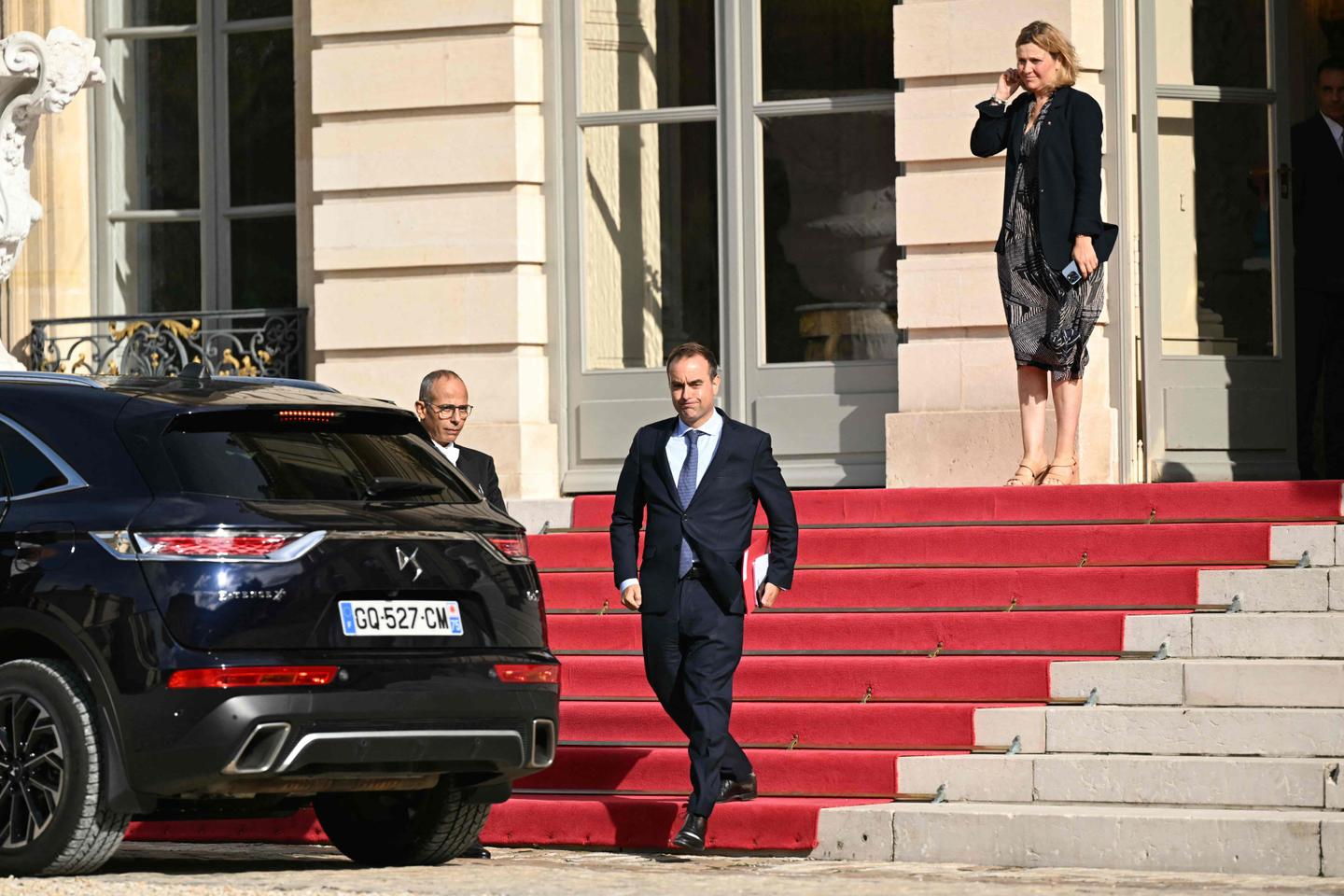
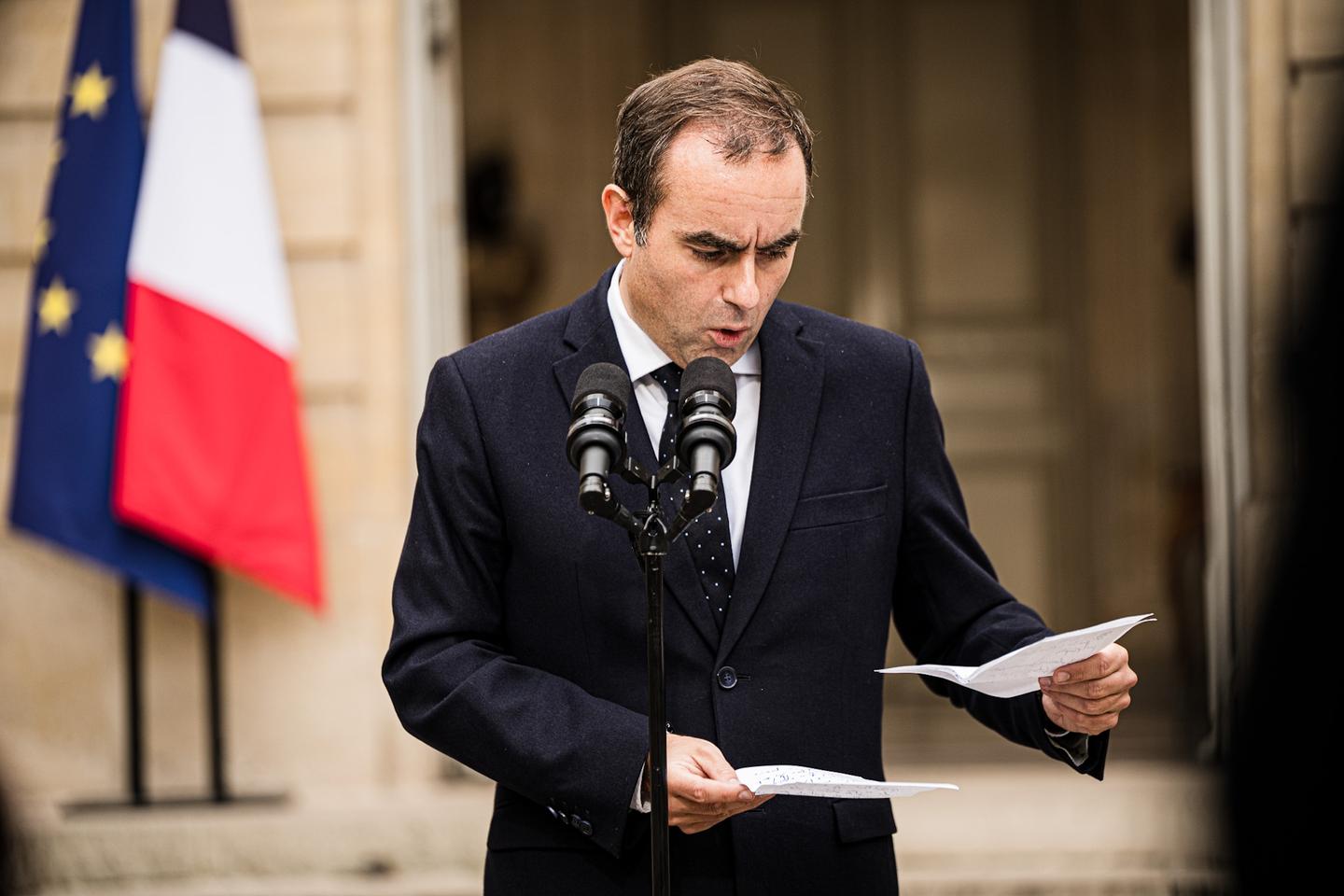
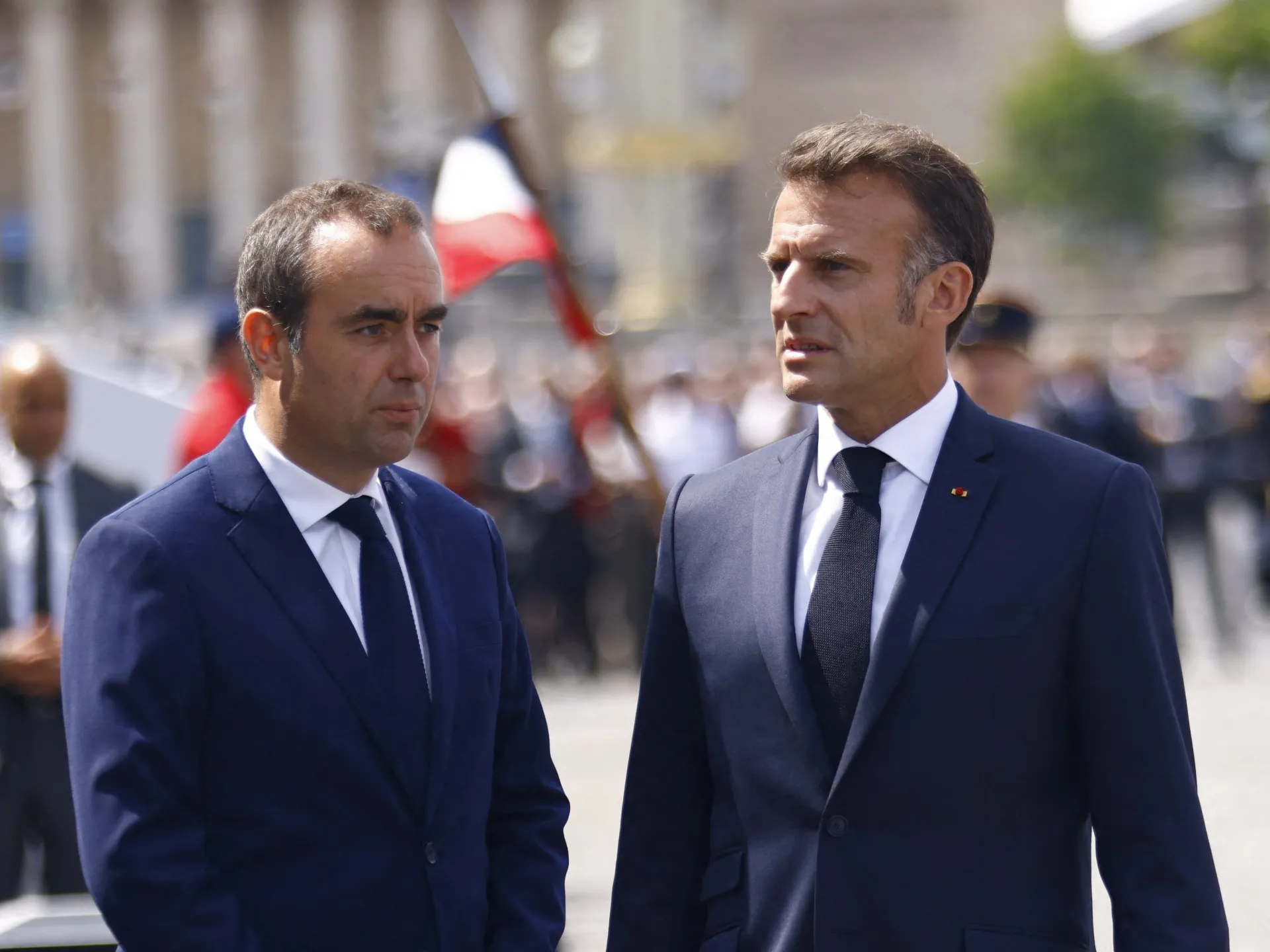
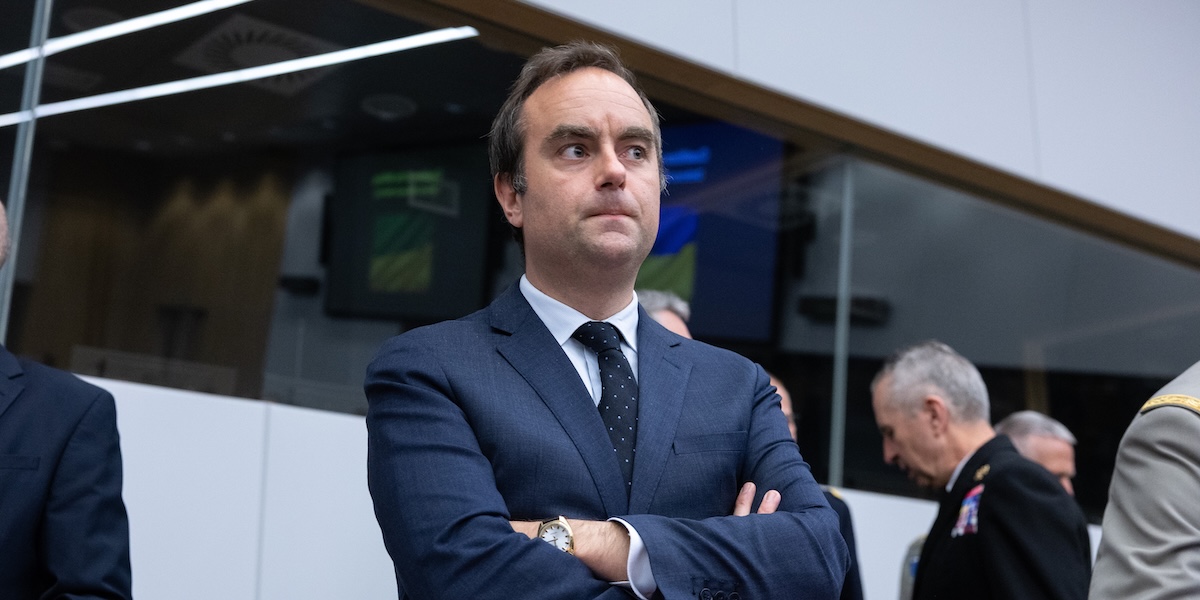
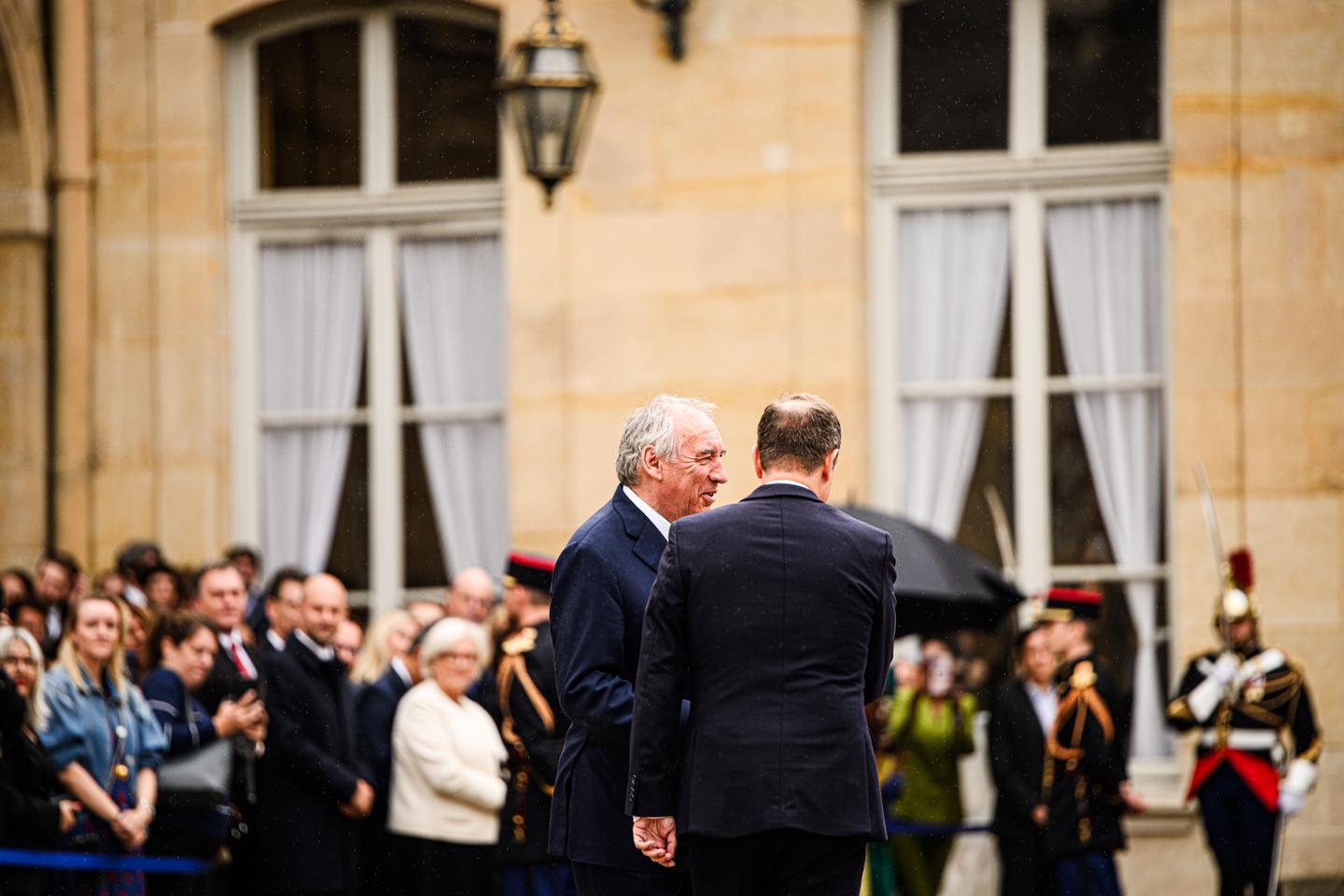
n a France simmering with discontent but not yet broken, the arrival of a new prime minister – the fifth since the start of President Emmanuel Macron's second term, and the third since the disastrous 2024 dissolution of the Assemblée Nationale – was almost a non-event. The terse statement from the Elysée Palace on Tuesday, September 9, announcing the appointment of outgoing defense minister Sébastien Lecornu as prime minister, and the short speech he delivered during the handover on Wednesday, September 10, while the neighborhood was under heavy police surveillance because of the "Block Everything" protest movement, spoke volumes about the rapid loss of prestige at the top of the French state.
Subscribers only
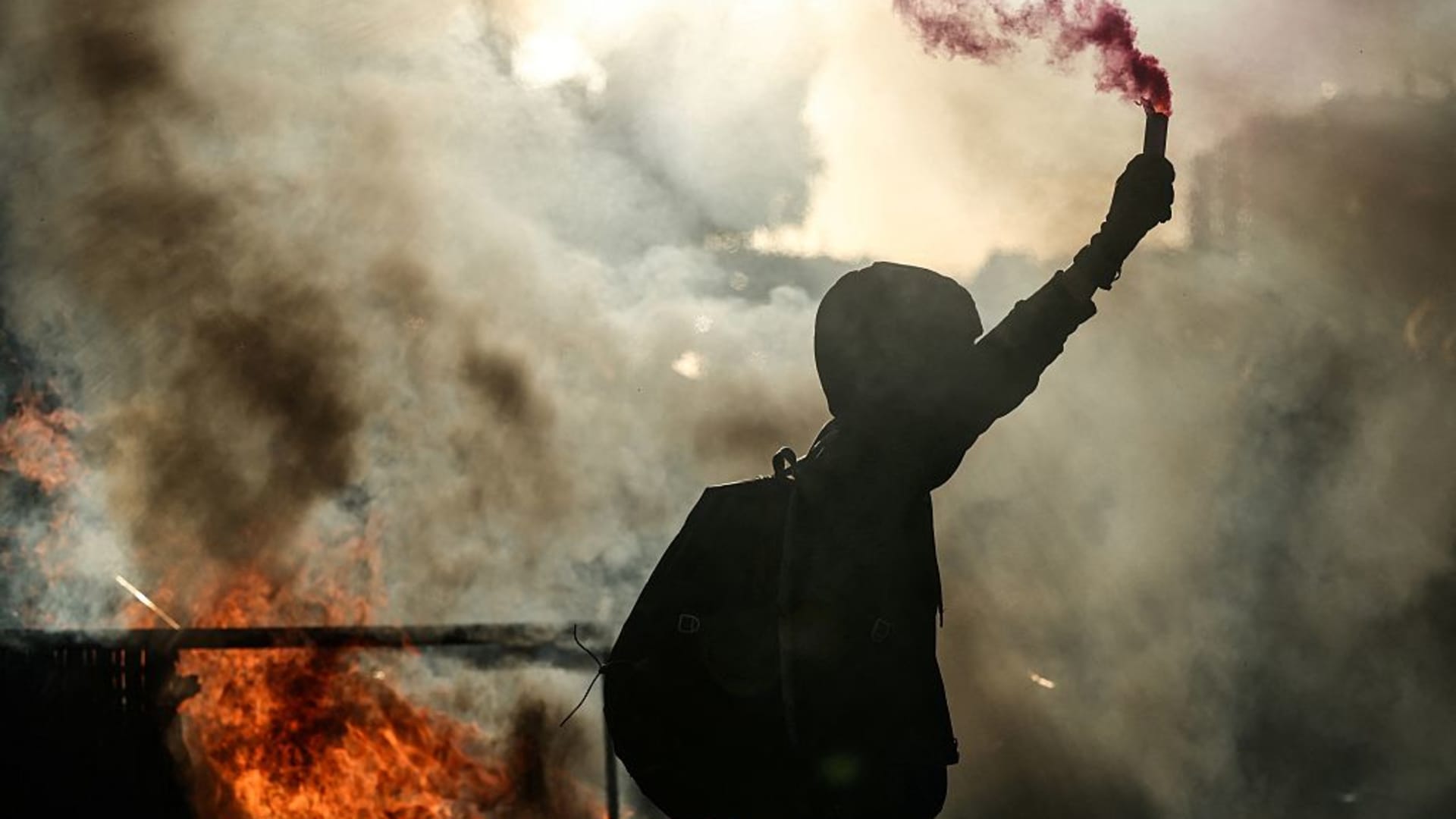
France's 'Block Everything' protests converge around ousting Macron
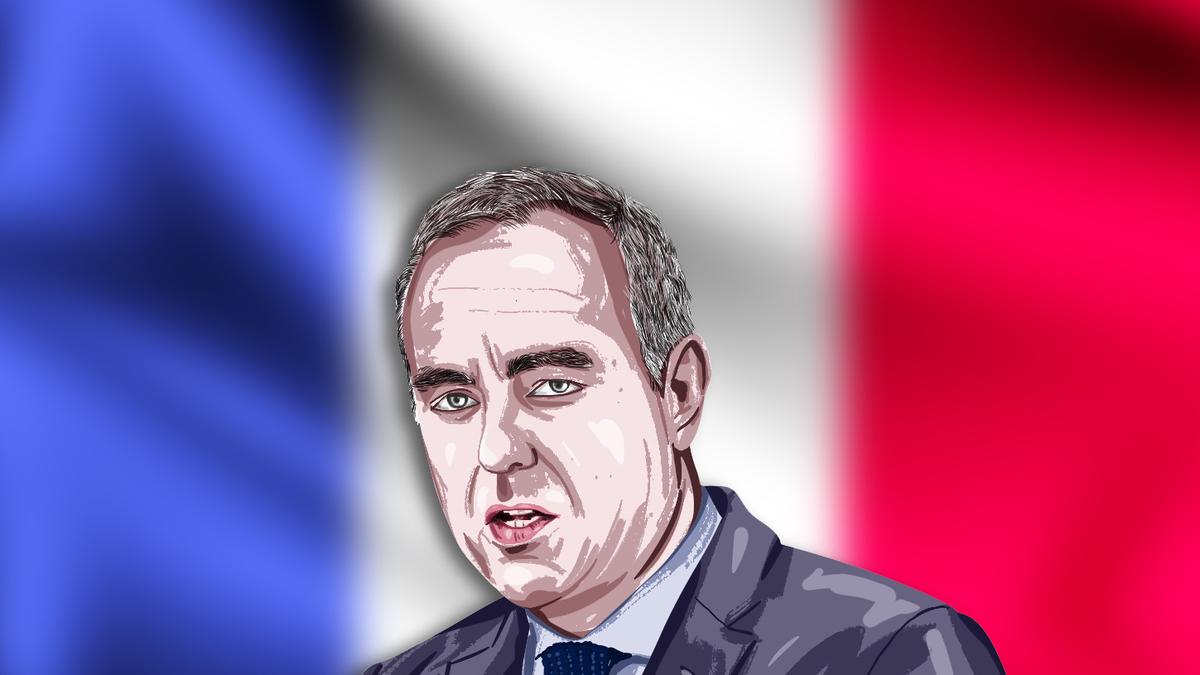
The odds of success for the man tasked with picking up the pieces – just three days after the fall of former prime minister François Bayrou – are slim. Not only was the fragile alliance between Macron's centrists and the traditional right tottering, but nothing in the new appointee's profile seemed likely to win over the Socialists, whose support is now essential for passing the budget. A product of the old center-right party, the UMP (now known as Les Républicains), very close to Macron, little known to the French public, the 39-year-old from Normandy hardly embodies change. Having met several times with far-right leader Marine Le Pen, he is also suspected by the left of being compromised.