The Supreme Court will wrestle with a question on Wednesday that, depending on the answer, could open up broad avenues for President Donald Trump to manipulate elections and the courts while continuing his assault on the nation with bogus claims of election fraud.
And it’s all courtesy of a case where Trump isn’t even a plaintiff or defendant. Technically speaking, he’s not involved in the case at all. But his shadow and his history of election denialism loom large.
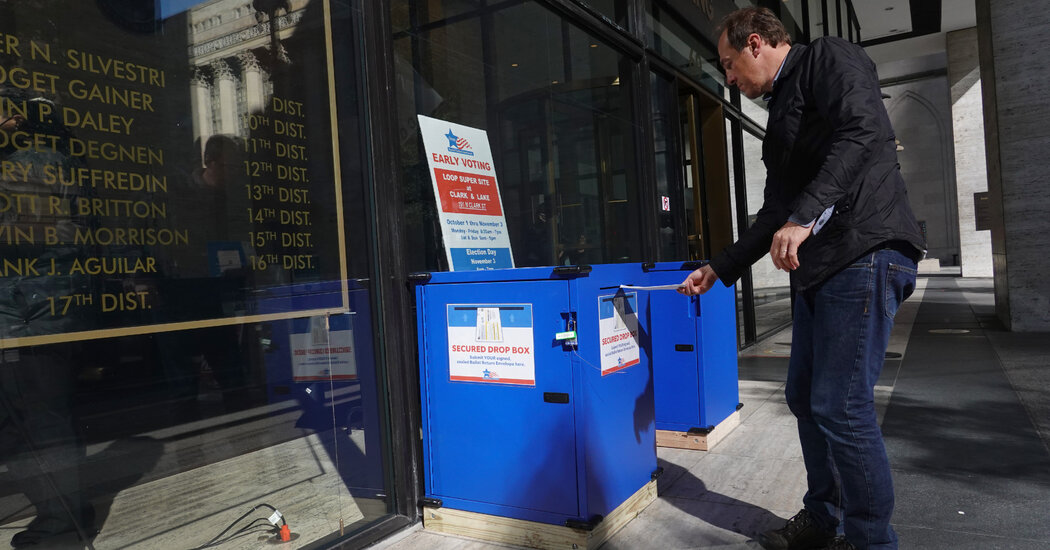
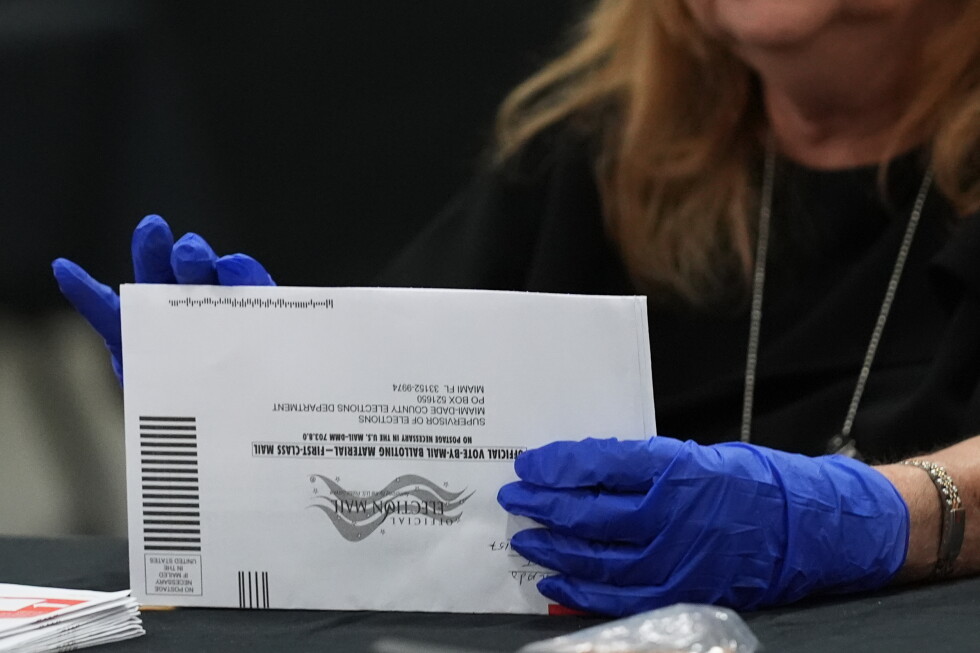
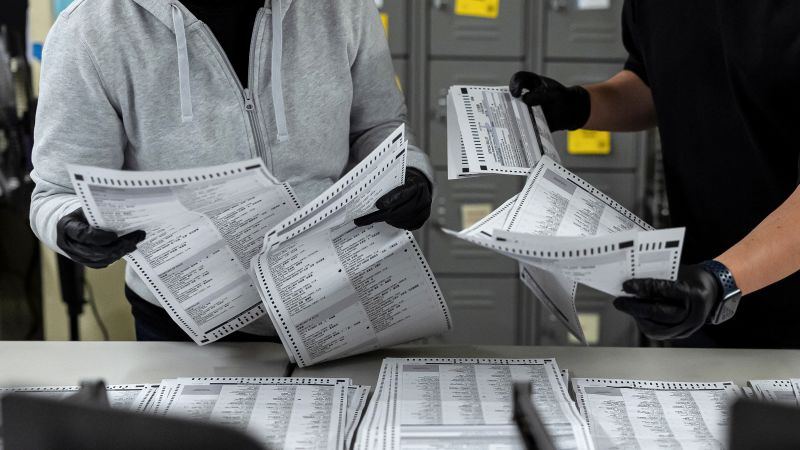
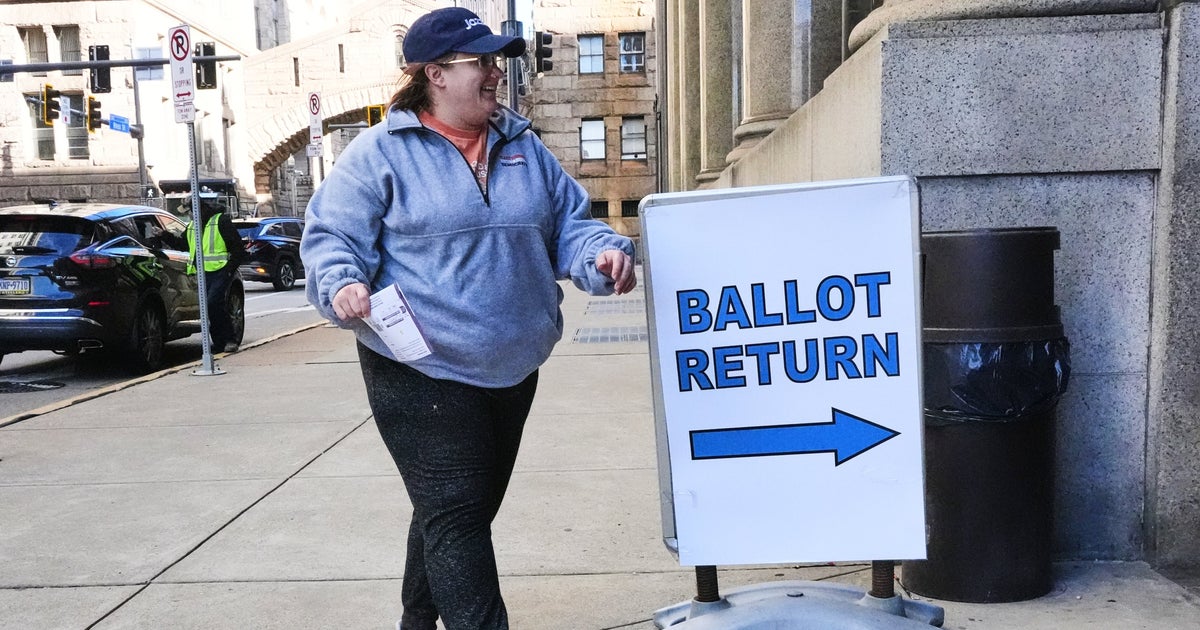
The case in question is Bost v. Illinois, which focuses on mail-in election ballots and specifically addresses who has the right to challenge them. The court will weigh whether allegations of a possible or future injury to a federal candidate’s campaign –– like costs associated with counting or verifying mail-in ballots up to two weeks after Election Day — are enough to give that person the right, or “standing” to sue.
The case originates from Rep. Mike Bost (R-Ill.), a Trump ally involved in the effort to overturn Joe Biden’s 2020 victory, and Republican presidential electors Laura Pollastrini and Susan Sweeney, all of whom sued the Illinois State Board of Elections in 2022.
They claimed that allowing mail-in ballots to be counted after an election has been held is illegal and pointed to two clauses in the Constitution that govern the schedule for counting votes. Illinois state law allows ballots cast in federal elections to be counted for up to 14 days after Election Day, provided the ballot was postmarked or certified before Election Day.